
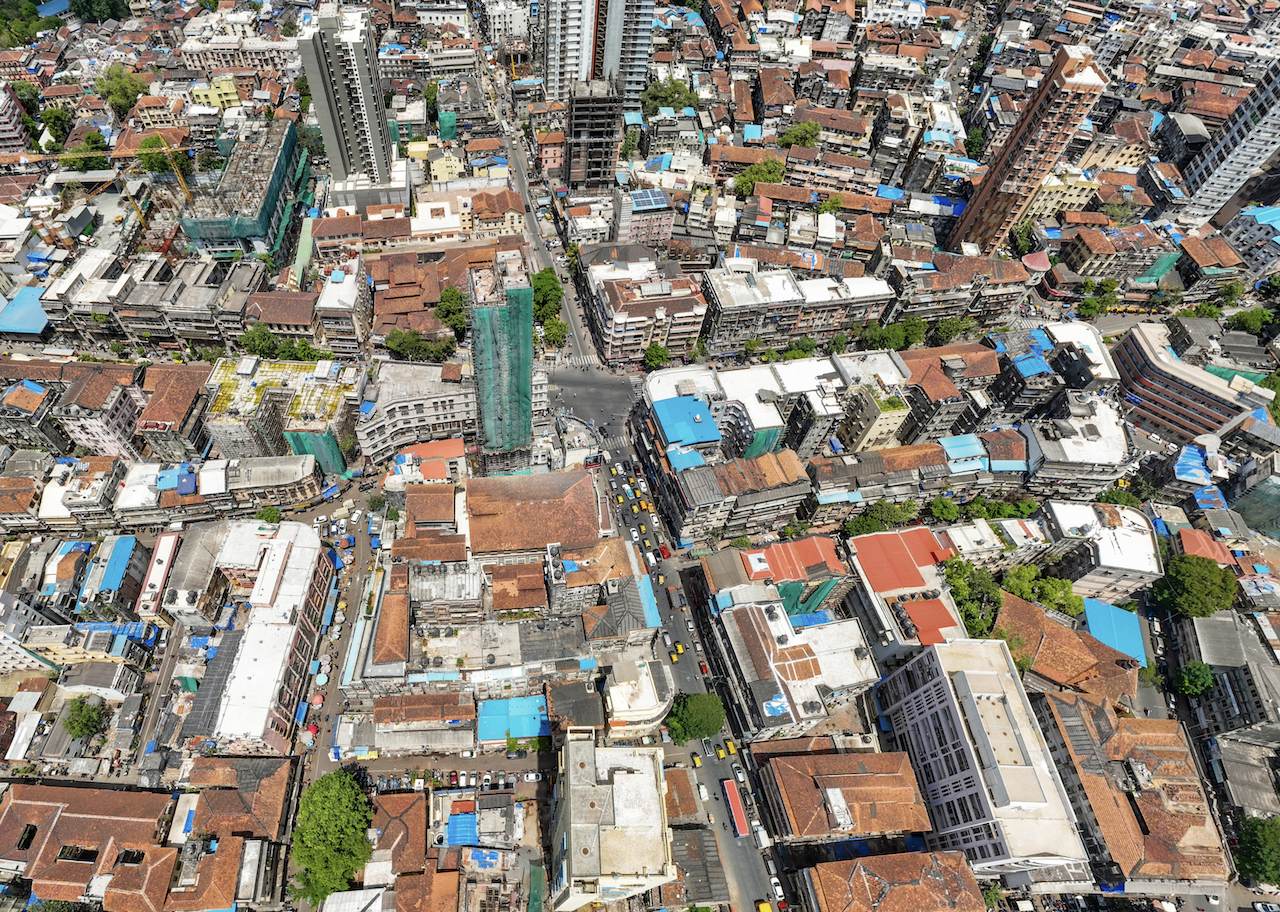
Older buildings in South Mumbai that lack scope for redevelopment face a range of outcomes influenced by structural conditions, legal frameworks, and market demand. Here’s a detailed breakdown of possibilities:
1. Structural Repairs and Maintenance
- Why: Buildings that cannot be redeveloped due to space or legal constraints might undergo extensive repairs and strengthening works.
- Outcome: This can extend the building's life for several decades, but periodic repairs will be necessary.
- Challenges: Higher maintenance costs and resistance from occupants to contribute financially.
2. Cluster Redevelopment Initiatives
- Why: For buildings with limited individual redevelopment potential, cluster redevelopment can combine several old buildings or plots into one large redevelopment project.
- Outcome: Developers are incentivized to create modern infrastructure while providing residents with new homes.
- Example: Parts of Girgaon and Kalbadevi have seen such efforts under Mumbai’s Cluster Redevelopment Policy.
3. Change of Use for Commercial Purposes
- Why: Buildings unable to attract residential redevelopment might be converted for commercial purposes like offices, warehouses, or boutique hotels.
- Outcome: This can generate better returns for landlords or societies.
- Example: South Mumbai’s historic buildings have already seen adaptations for cafes, co-working spaces, and small retail.
4. Dilapidated Structures May Be Condemned
- Why: If a building is structurally unsound and cannot be redeveloped or repaired, municipal authorities may deem it unsafe.
- Outcome: Residents are evacuated, and buildings are demolished
💬 Comments