
Mumbai Set for Redevelopment of 19 Major Slum Clusters
Mumbai Set for Redevelopment of 19 Major Slum Clusters
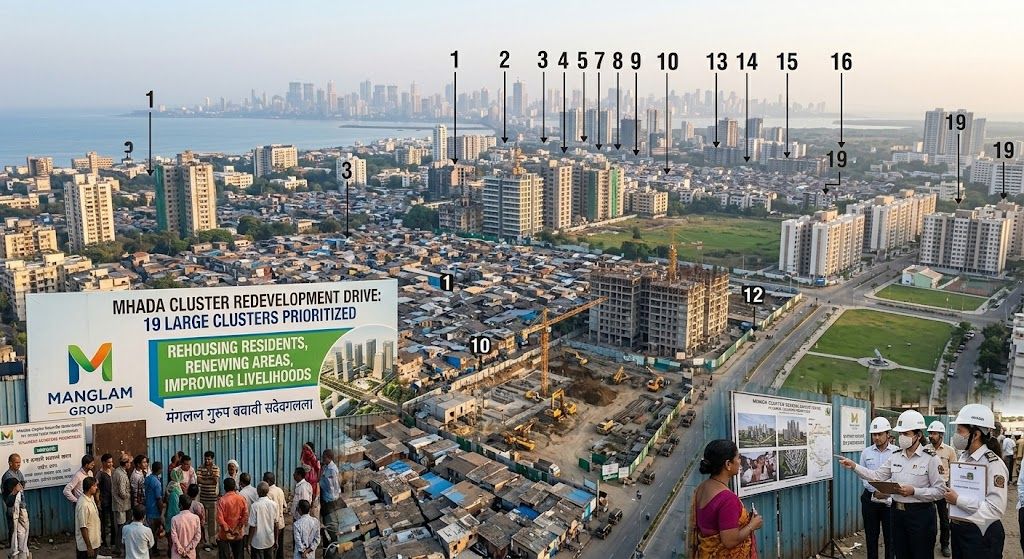
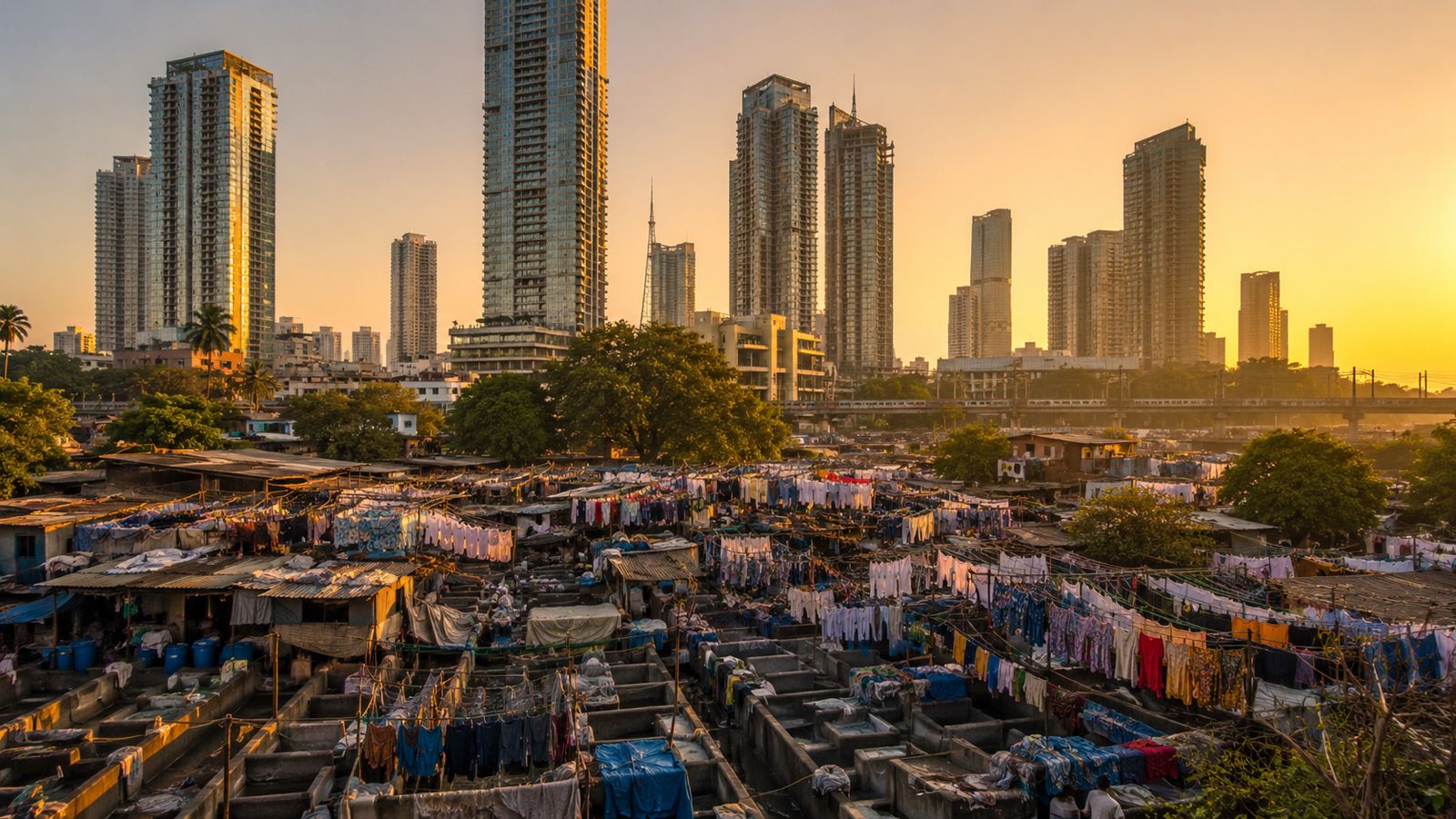
Approximately 19 major slum clusters across Mumbai are expected to undergo redevelopment, marking one of the most significant urban renewal initiatives in recent years. The proposed projects highlight the growing importance of cluster redevelopment as a strategy for addressing housing shortages, improving living conditions, and modernising ageing urban areas.
Mumbai's limited availability of developable land has made large-scale redevelopment one of the few practical ways to create substantial new housing supply. Unlike individual building redevelopment projects, cluster redevelopment allows entire neighbourhoods to be planned and rebuilt together, creating opportunities for more efficient land use and better urban infrastructure.
The planned redevelopment of multiple large clusters demonstrates the scale of the city's ambition to improve housing conditions while accommodating future growth.
What Is Cluster Redevelopment?
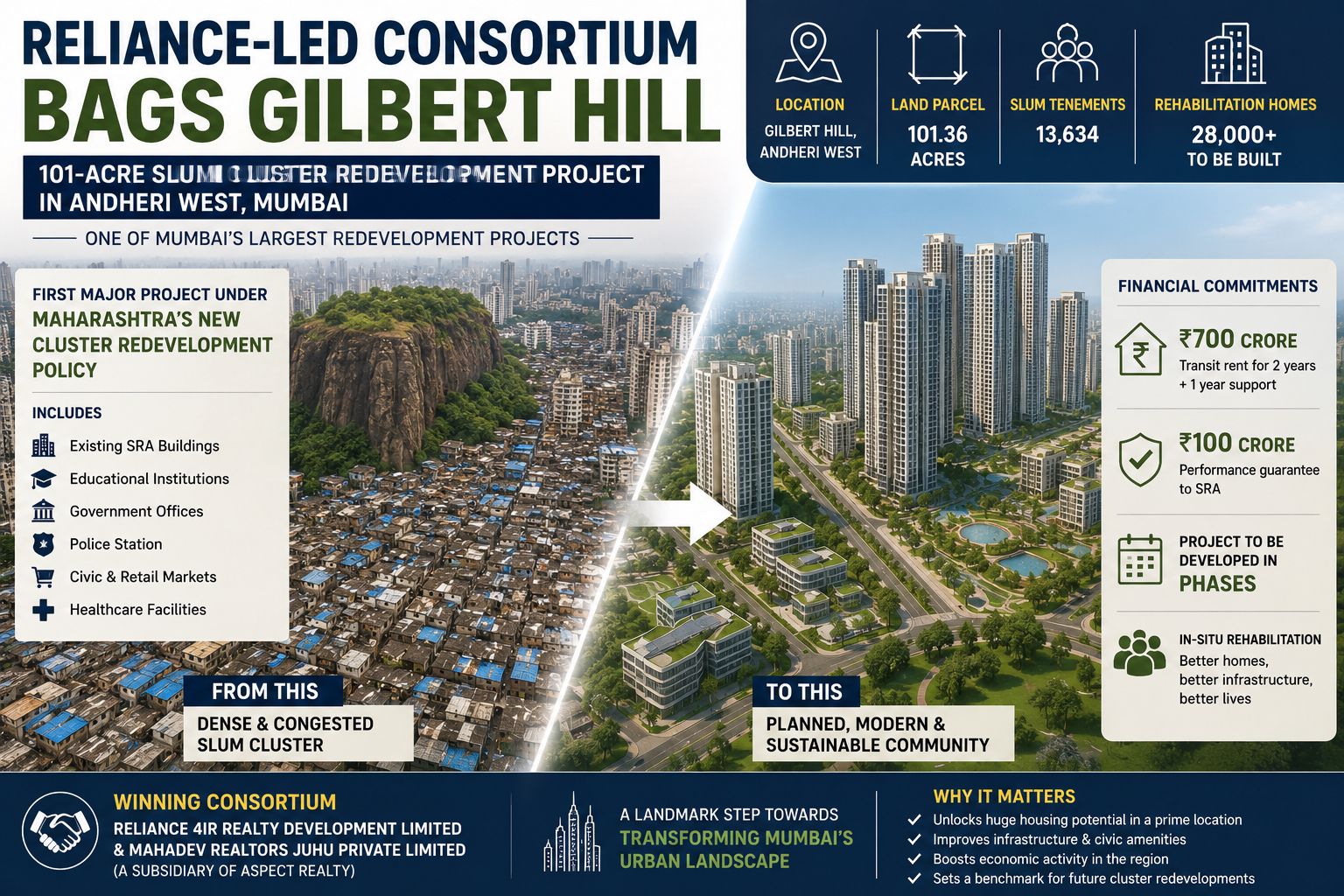
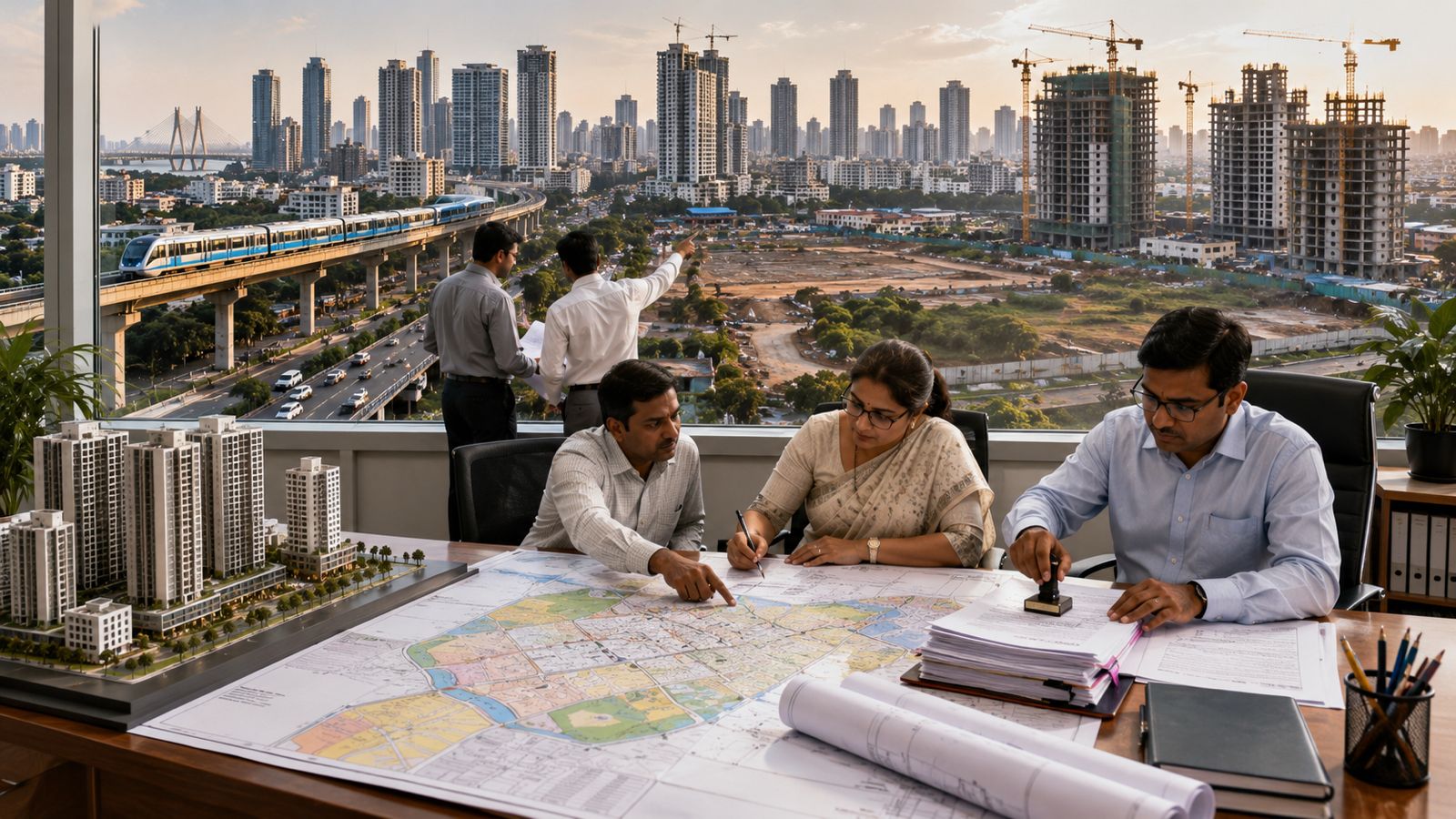
Cluster redevelopment involves the renewal of multiple adjoining plots, buildings, or settlements as part of a single integrated development plan. Rather than redeveloping individual structures separately, the cluster approach enables authorities and developers to redesign entire localities in a coordinated manner.
This model often allows for wider roads, improved infrastructure networks, open spaces, community facilities, and more efficient land utilisation. It also provides opportunities to address longstanding urban planning challenges that cannot be resolved through isolated redevelopment projects.
In a dense city like Mumbai, cluster redevelopment is increasingly viewed as one of the most effective tools for large-scale urban transformation.
Why the Redevelopment of 19 Clusters Matters
The proposed redevelopment of 19 major clusters signals a substantial commitment towards improving housing and infrastructure across multiple parts of the city. Projects of this scale have the potential to transform large urban areas while benefiting thousands of residents.
By addressing multiple settlements simultaneously, authorities can create more organised neighbourhoods and implement infrastructure improvements that extend beyond individual buildings. The approach also supports long-term planning by integrating housing, transportation, utilities, and public amenities within a broader development framework.
The scale of the initiative underscores the growing recognition that comprehensive redevelopment is necessary to meet Mumbai's future housing requirements.
Benefits for Residents
One of the primary objectives of cluster redevelopment is to provide residents with safer and more modern housing. Redeveloped communities typically offer improved construction standards, better access to utilities, enhanced infrastructure, and upgraded living environments.
Residents may also benefit from wider roads, improved drainage systems, public open spaces, and community amenities that are often difficult to provide in densely populated informal settlements.
By combining rehabilitation with infrastructure improvements, cluster redevelopment aims to improve both housing quality and overall quality of life.
A Key Solution for Mumbai's Housing Challenge
Mumbai's housing demand continues to grow while the availability of vacant land remains extremely limited. As a result, redevelopment has become a critical mechanism for generating new housing supply without requiring large-scale outward expansion.
Cluster redevelopment is particularly important because it enables the creation of housing at a scale that individual redevelopment projects often cannot achieve. It also helps modernise ageing urban areas and improve the efficiency of land use in established parts of the city.
For a land-scarce metropolis, the successful execution of cluster redevelopment projects could play a major role in shaping future housing availability.
What It Means for Mumbai's Future
The redevelopment of 19 major clusters has the potential to reshape significant portions of the city while contributing to housing creation, infrastructure upgrades, and urban renewal. Such projects can improve living standards for existing residents while creating opportunities for planned growth.
As Mumbai continues to evolve, cluster redevelopment is likely to remain one of the most important strategies for balancing housing demand with limited land resources. The initiative reflects the city's ongoing effort to create a more sustainable, organised, and liveable urban environment.
Expert View
"Cluster redevelopment offers one of the most effective solutions to Mumbai's housing and infrastructure challenges. By redeveloping entire neighbourhoods rather than isolated buildings, the city can create better housing, improved public infrastructure, and more efficient urban planning. Projects of this scale have the potential to transform communities for generations." — Sandeep Sadh
Looking to buy or rent in Mumbai?
Talk to Mumbai's oldest property portal — RERA-verified listings, real availability, instant answers.
More Property News

💬 Comments