MMR Targets $1.5 Trillion Economy by 2047, Reshaping Mumbai Real Estate
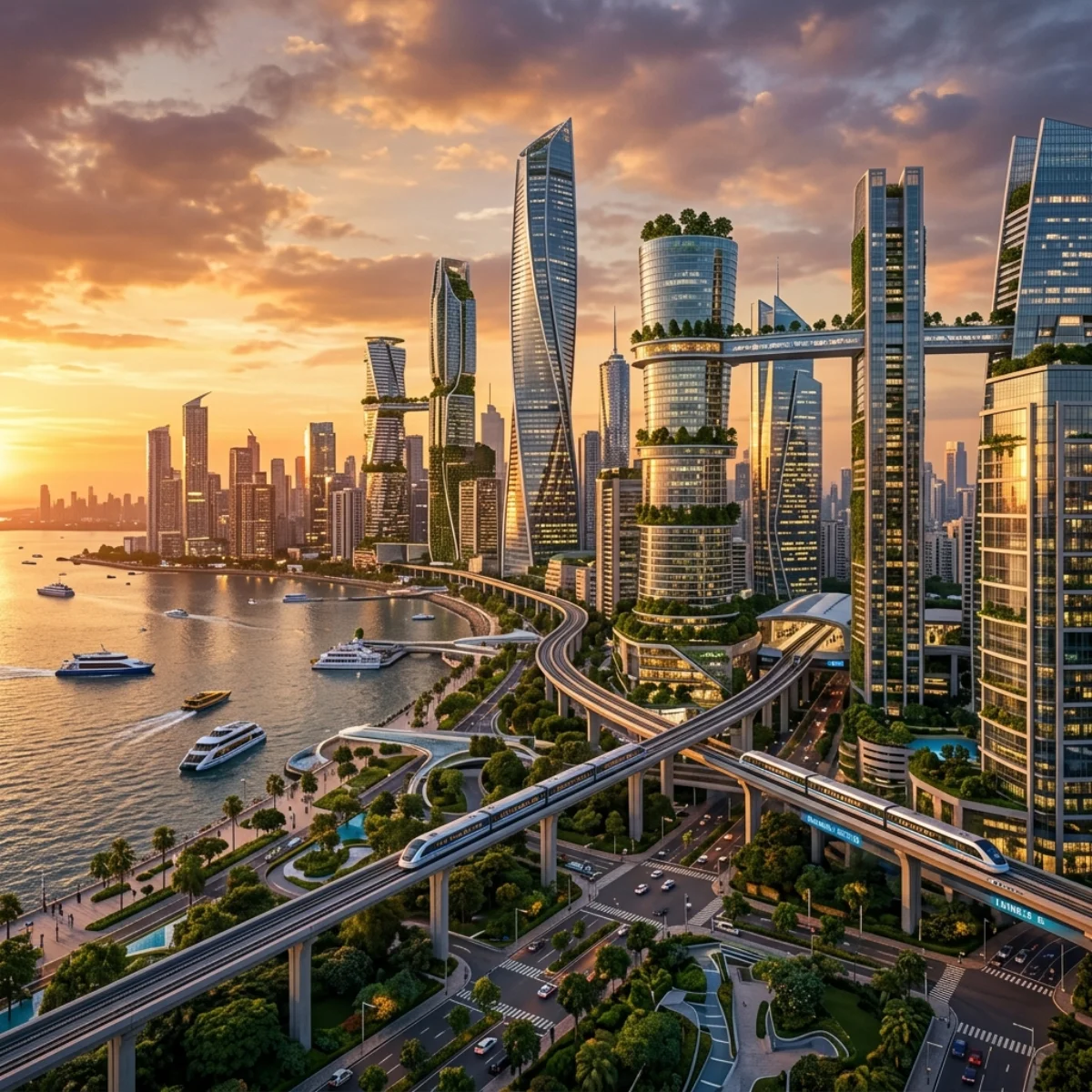
MMR Targets Up to $1.5 Trillion Economy by 2047
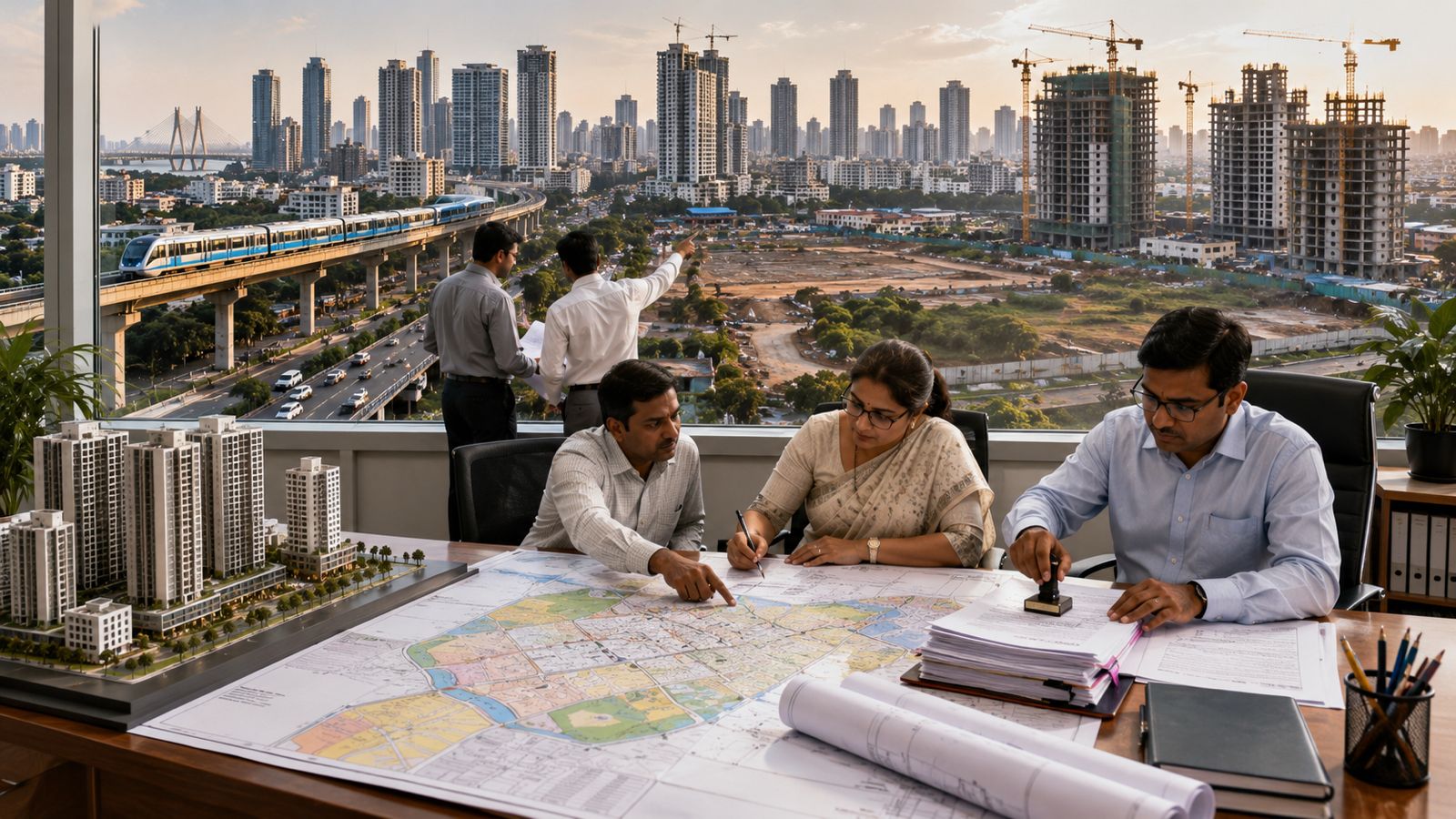
The Mumbai Metropolitan Region (MMR) is being planned around an ambitious long-term vision to expand its economy from approximately $140 billion today to between $1.2 trillion and $1.5 trillion by 2047. Achieving this transformation will require unprecedented investment in infrastructure, transportation, housing, commercial development, and urban expansion across the region.
The vision extends beyond economic growth alone. It is also linked to the development of a more connected and integrated metropolitan region capable of supporting a significantly larger population, expanded business activity, and rising housing demand over the coming decades.
As one of India's most important economic centres, MMR is expected to play a central role in the country's long-term growth story.
Infrastructure Is Driving the Transformation
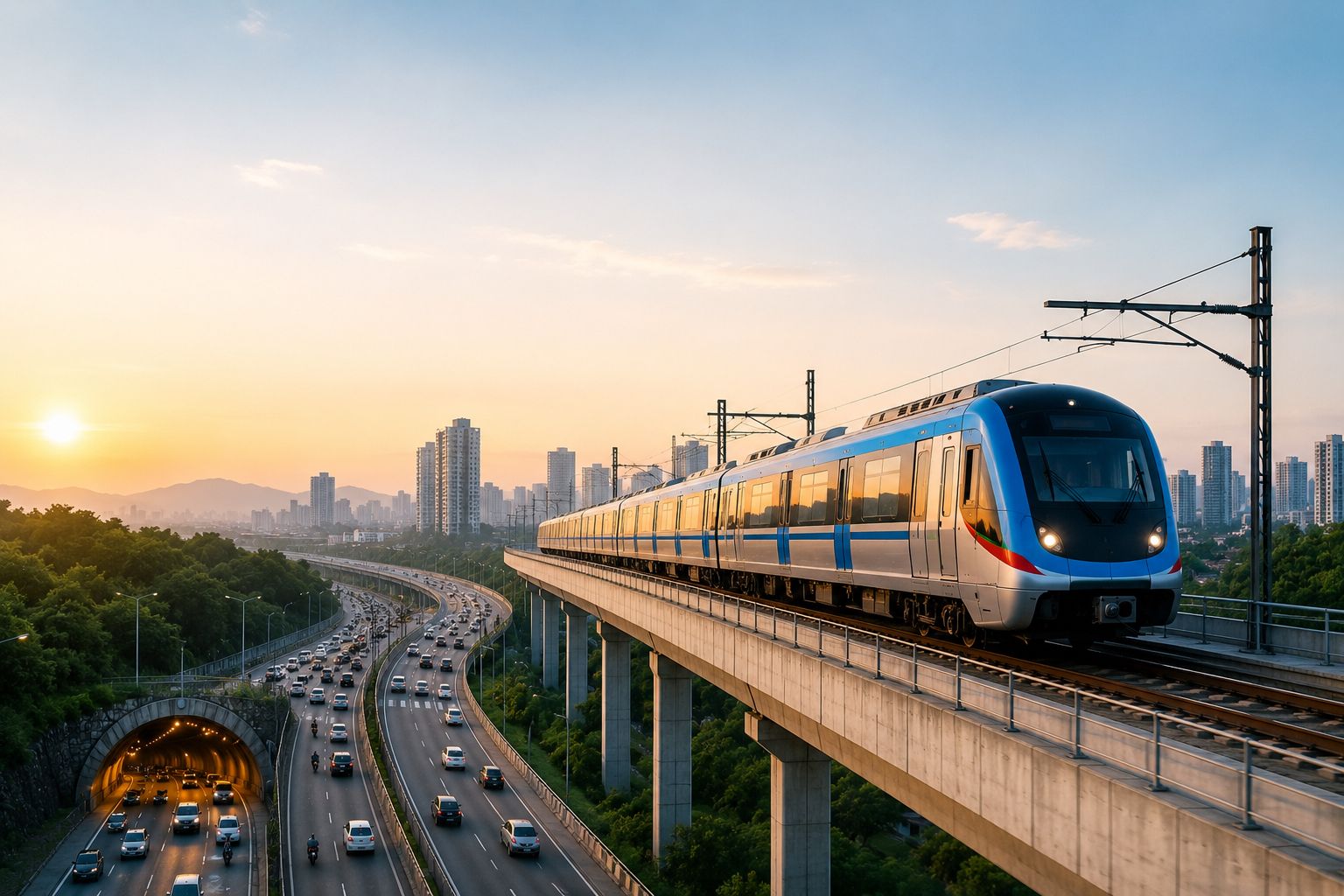
At the heart of this vision lies one of the largest infrastructure development cycles currently underway in India. Metro corridors, sea links, coastal roads, new transport corridors, airport infrastructure, and planned urban townships are gradually reshaping the physical structure of the metropolitan region.
These projects are designed to improve mobility, reduce travel times, and unlock new growth corridors that were previously considered peripheral or difficult to access. Improved connectivity often acts as a catalyst for residential and commercial development by making emerging locations more attractive for both businesses and residents.
As transportation networks expand, areas that were once distant from major employment centres can become viable destinations for housing and investment.
Population Growth Will Create New Housing Demand
The region's population is expected to rise towards approximately 3.6 crore to 3.8 crore by 2047. Such growth will place significant pressure on housing, transportation, utilities, and social infrastructure.
Population expansion on this scale inevitably creates demand for additional residential supply across multiple income categories. From affordable housing and redevelopment projects to premium residential developments and integrated townships, the housing market will need to accommodate a much larger urban population.
Meeting future demand will require coordinated planning between government agencies, infrastructure authorities, developers, and urban planners.
Addressing Mumbai's Housing Shortage
Mumbai already faces a housing shortage estimated at around 4 lakh to 4.5 lakh units. As the metropolitan economy expands and population growth continues, addressing this gap will become even more important.
Given the limited availability of vacant land within Mumbai, redevelopment is expected to remain one of the primary mechanisms for creating new housing supply. The renewal of ageing buildings, housing societies, slum clusters, and underutilised urban land will be critical to meeting future residential requirements.
At the same time, emerging growth nodes across the wider metropolitan region are likely to absorb a significant share of future housing demand.
Emerging Growth Corridors Across MMR
The future of the Mumbai Metropolitan Region will increasingly extend beyond traditional city boundaries. Infrastructure-led growth is creating opportunities across suburbs, satellite cities, redevelopment zones, and newly planned urban centres.
Locations benefiting from improved metro connectivity, highway networks, airport infrastructure, and urban development initiatives are likely to attract both residential and commercial investment. Planned growth centres could help distribute economic activity more evenly across the region while reducing pressure on existing urban cores.
For the real estate sector, this evolution creates opportunities across a broader geography than ever before.
What It Means for Homebuyers and Investors
For homebuyers, the long-term outlook points towards a larger selection of housing options across increasingly connected locations. Areas that once seemed distant may become more attractive as infrastructure projects improve accessibility and reduce commute times.
For investors, infrastructure remains one of the strongest drivers of long-term real estate value. Connectivity improvements often influence residential demand, commercial activity, and overall urban growth patterns.
While short-term market cycles will continue, the broader trend suggests that housing demand is likely to remain supported by population growth, economic expansion, and ongoing urbanisation across the metropolitan region.
Expert View
"The vision of transforming MMR into a multi-trillion-dollar economy is fundamentally linked to infrastructure and housing. As connectivity improves and new growth corridors emerge, redevelopment and planned urban expansion will become increasingly important. The long-term opportunity lies not just in Mumbai itself, but across a broader metropolitan region that is being reshaped by infrastructure-led growth." — Sandeep Sadh
Looking to buy or rent in Mumbai?
Talk to Mumbai's oldest property portal — RERA-verified listings, real availability, instant answers.
More Property News

💬 Comments