
MMRDA Cleared to Take Over 1,387 Hectares Across Mumbai's Western Coast
MMRDA Cleared to Take Over 1,387 Hectares Across Mumbai's Western Coast
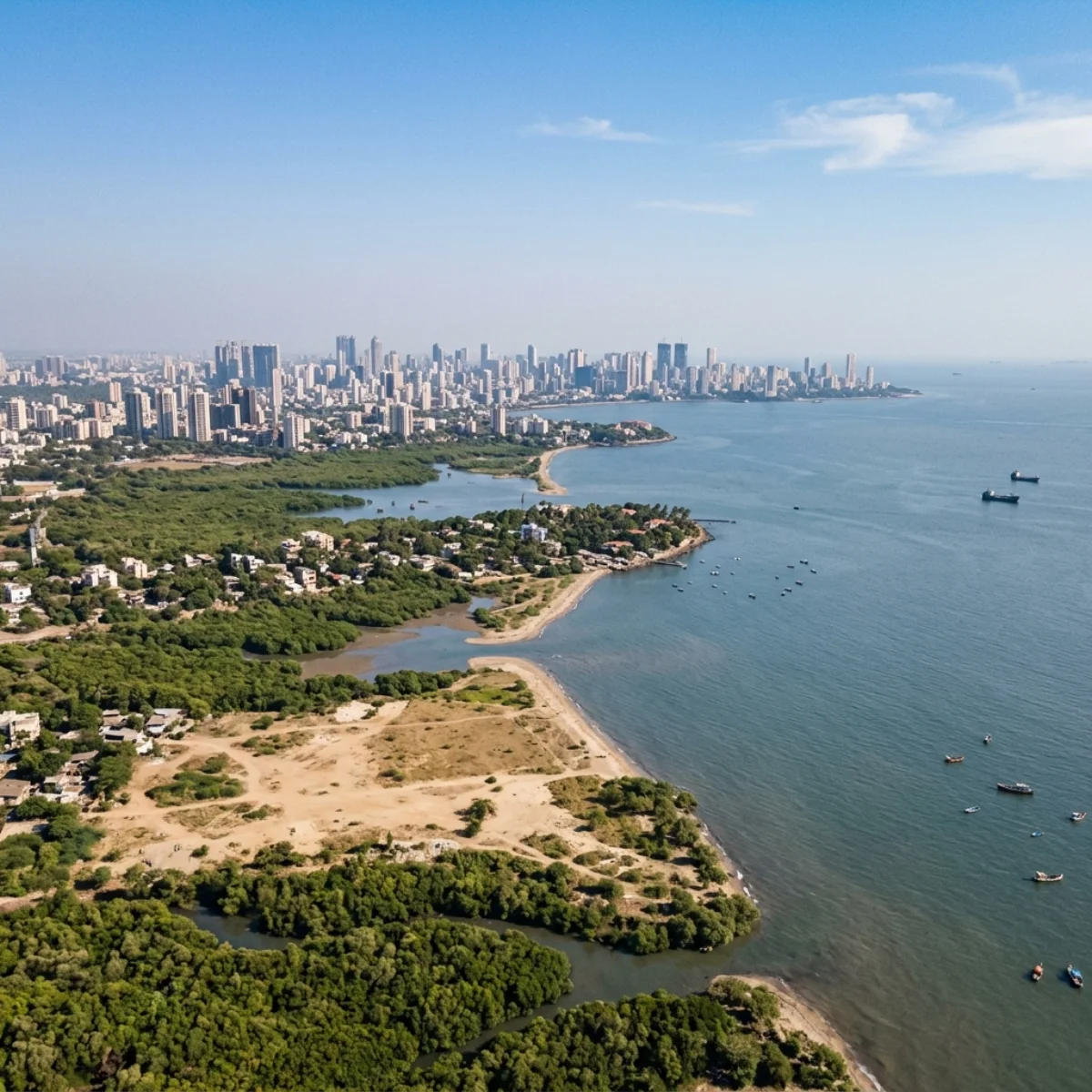
The Mumbai Metropolitan Region Development Authority (MMRDA) has been cleared to take over approximately 1,387 hectares of land across Aksa, Daravli, Erangal, Madh, Malvani, and Marve, free of encumbrances. The move is expected to support long-term urban planning and infrastructure development in a part of Mumbai where large contiguous land parcels are increasingly rare.
In a city constrained by limited land availability and fragmented ownership patterns, the transfer of such a sizeable tract to a single planning authority represents a significant development. The decision creates an opportunity for coordinated planning that can integrate housing, transportation infrastructure, civic amenities, and open spaces within a unified development framework.
The land acquisition also aligns with broader efforts to support future growth across the Mumbai Metropolitan Region through infrastructure-led development.
Why Large Contiguous Land Parcels Are Important
One of Mumbai's biggest urban planning challenges is the scarcity of large, uninterrupted land parcels. Development often takes place through smaller projects spread across multiple ownerships, making integrated planning difficult.
When substantial tracts of land are controlled by a single planning authority, it becomes easier to design infrastructure networks, transportation systems, housing clusters, and public amenities in a coordinated manner. Such an approach can improve land utilisation while reducing many of the inefficiencies associated with fragmented development.
Large-scale planning also creates opportunities to balance urban growth with environmental considerations and community infrastructure.
Supporting Infrastructure Expansion Along Mumbai's Western Edge
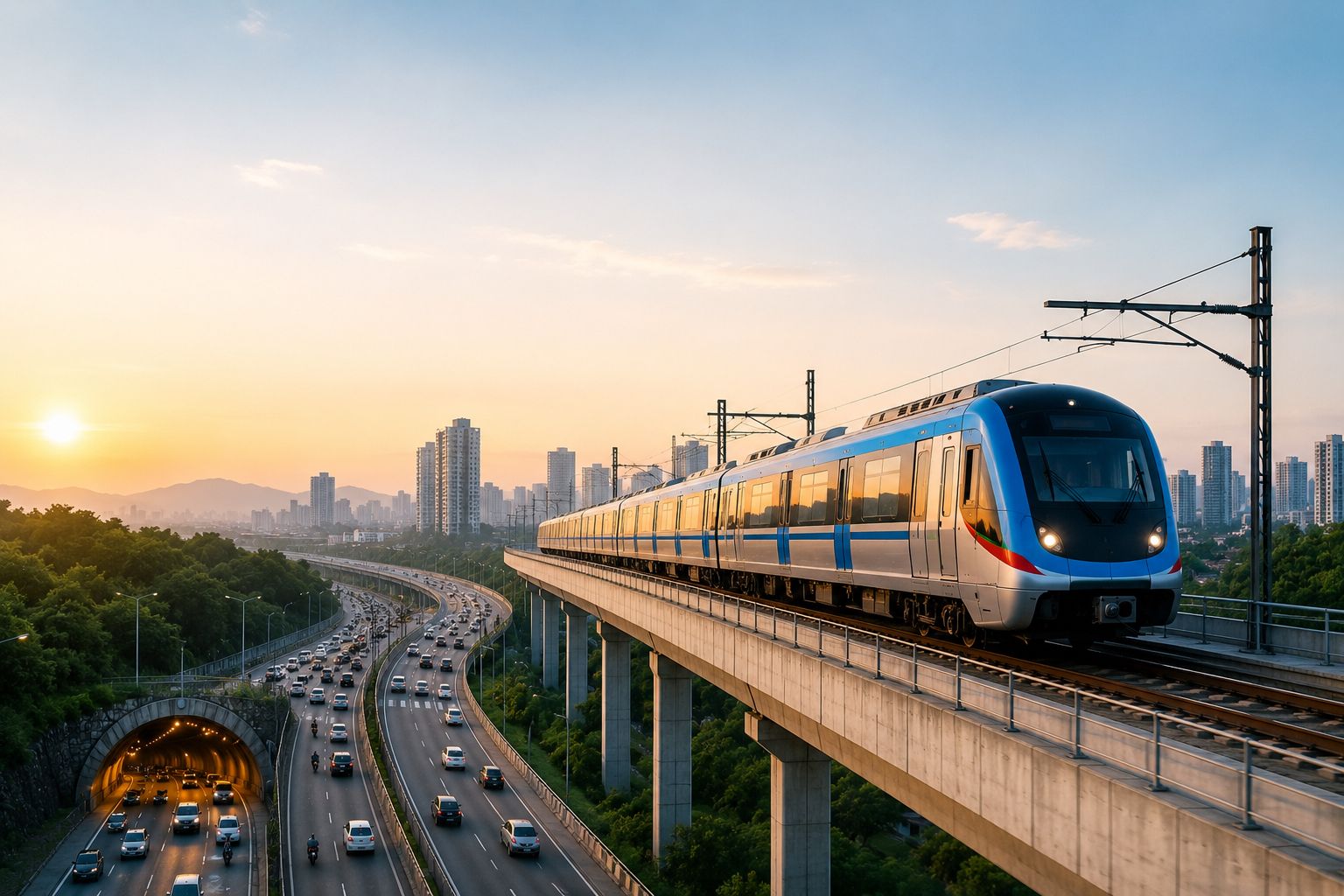
The clearance comes as MMRDA continues to expand transportation and infrastructure networks across the metropolitan region. Metro projects, road corridors, coastal connectivity initiatives, and urban mobility improvements are increasingly shaping future development patterns.
Areas along Mumbai's western coastline have attracted growing attention because of their strategic location and future connectivity potential. Infrastructure investment often acts as a catalyst for residential and commercial development by improving accessibility and reducing travel times.
The integration of land planning with transportation infrastructure can help create more sustainable and efficient urban growth corridors.
Potential Impact on Housing Supply
Mumbai's housing demand continues to outpace available supply in many locations, making new development opportunities particularly valuable. Large planned developments can create substantial housing inventory while ensuring that supporting infrastructure is developed alongside residential projects.
The availability of a significant land bank under coordinated planning could support future housing projects across multiple segments. This may help accommodate population growth while reducing pressure on already congested parts of the city.
Well-planned developments can also create opportunities for mixed-use communities that combine housing, commercial activity, public amenities, and open spaces.
Benefits of Integrated Urban Planning
Urban development is most effective when housing, transportation, utilities, public services, and environmental considerations are planned together. A coordinated approach can improve quality of life while making infrastructure investments more efficient.
Planned development allows authorities to allocate space for roads, public facilities, recreational areas, utilities, and future growth requirements from the outset. This reduces the likelihood of infrastructure deficits emerging as development progresses.
For growing metropolitan regions, integrated planning is increasingly viewed as essential to creating sustainable and liveable urban environments.
Importance of Rehabilitation and Community Engagement
While the development potential of the land is significant, successful implementation will depend on how existing communities are accommodated and integrated into future plans. Rehabilitation, resettlement, and stakeholder engagement are critical aspects of large-scale urban development.
Transparent processes and fair rehabilitation frameworks can help ensure that growth benefits both existing residents and future occupants. Experience from major redevelopment and infrastructure projects demonstrates that effective community engagement often plays a key role in determining project outcomes.
Balancing development objectives with social considerations will therefore be an important part of the project's long-term success.
Expert View
"Large contiguous land parcels are exceptionally valuable in a city like Mumbai because they allow truly integrated planning rather than fragmented development. If aligned with transportation infrastructure and supported by fair rehabilitation policies, such land can help create sustainable urban growth, improve housing supply, and strengthen the region's long-term development prospects." — Sandeep Sadh
Looking to buy or rent in Mumbai?
Talk to Mumbai's oldest property portal — RERA-verified listings, real availability, instant answers.
More Property News

💬 Comments