
Tata Power Boosts Mumbai Infrastructure
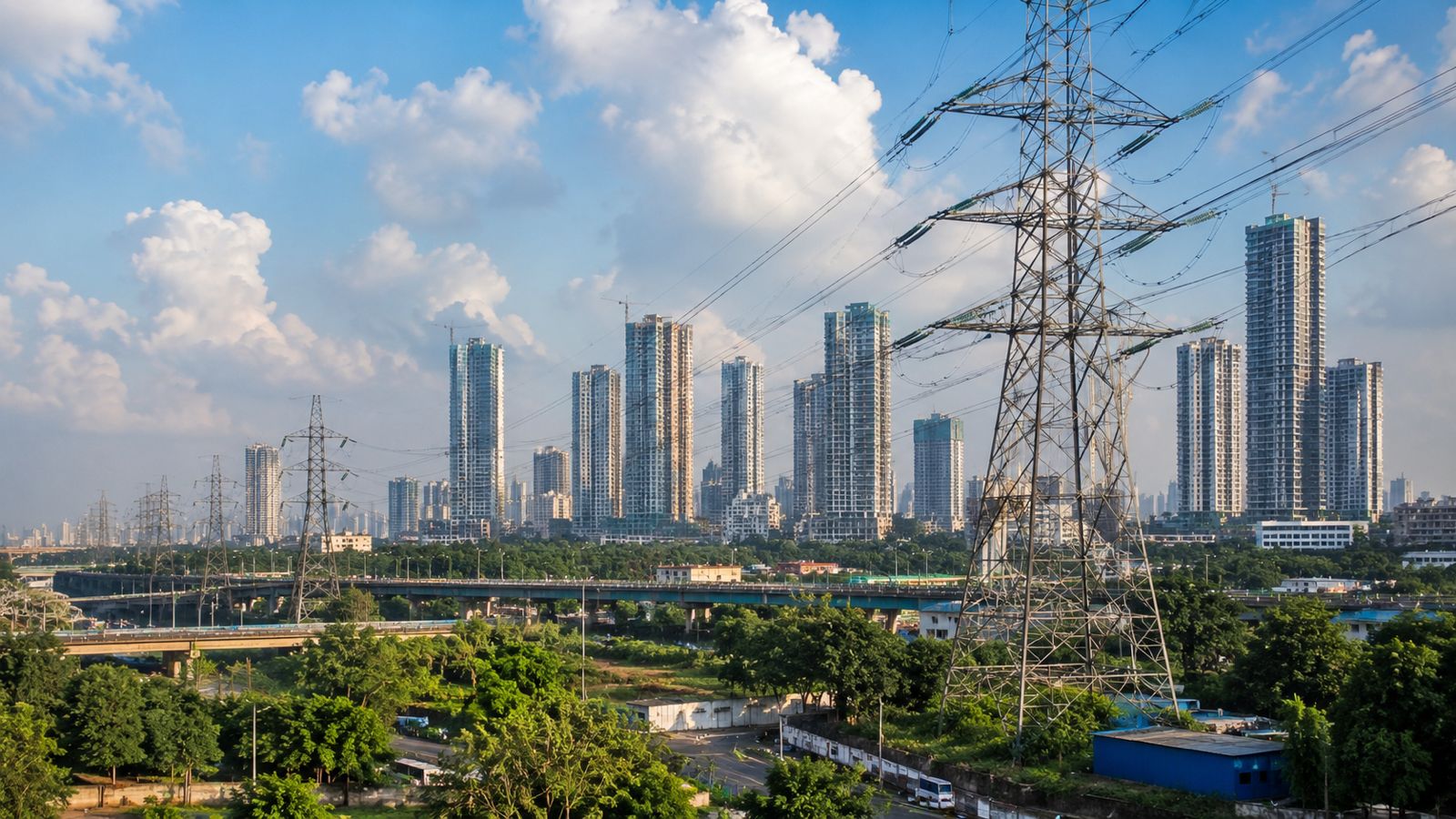
Mumbai's latest power infrastructure expansion is not simply an electricity story.
It is a real estate story.
It is an infrastructure story.
And more importantly, it is a story about how Mumbai plans to support its next phase of growth.
The city is preparing for a major transmission upgrade anchored by a new 400 kV ring network and a broader investment plan aimed at strengthening Mumbai's power backbone. At first glance, the announcement appears technical. But beneath the surface lies a much larger question.
Can Mumbai continue building new homes, new business districts, new metro lines, and new data centres without significantly upgrading its power infrastructure?
The answer is increasingly becoming no.
Why Does Mumbai Suddenly Need More Power?
Mumbai's electricity demand is growing faster than many people realise.
Traditionally, residential and commercial buildings were the primary consumers of power.
Today, the demand profile is changing.
New metro corridors require electricity.
Electric vehicle charging networks require electricity.
Data centres require enormous amounts of electricity.
Commercial districts, business parks, financial institutions, and digital infrastructure all continue to increase energy consumption.
Power demand in Mumbai is expected to rise significantly over the coming years, creating pressure on the existing transmission network.
This is why transmission infrastructure is becoming just as important as roads, metros, and airports.
Why Is A 400 kV Ring Network Important?
Most people never think about transmission infrastructure.
Until something goes wrong.
The purpose of a ring network is reliability.
Instead of relying on a single route to move electricity across the city, a ring structure creates multiple pathways. If one section experiences a disruption, power can continue flowing through alternative routes.
For a city that serves as India's financial capital, uninterrupted power is critical.
Banks cannot afford outages.
Stock exchanges cannot afford outages.
Data centres cannot afford outages.
Hospitals, metros, commercial districts, and residential communities increasingly depend on a highly reliable electricity network.
The 400 kV system is designed to create that additional layer of resilience while supporting future growth.
Why Data Centres Are Driving Infrastructure Investment
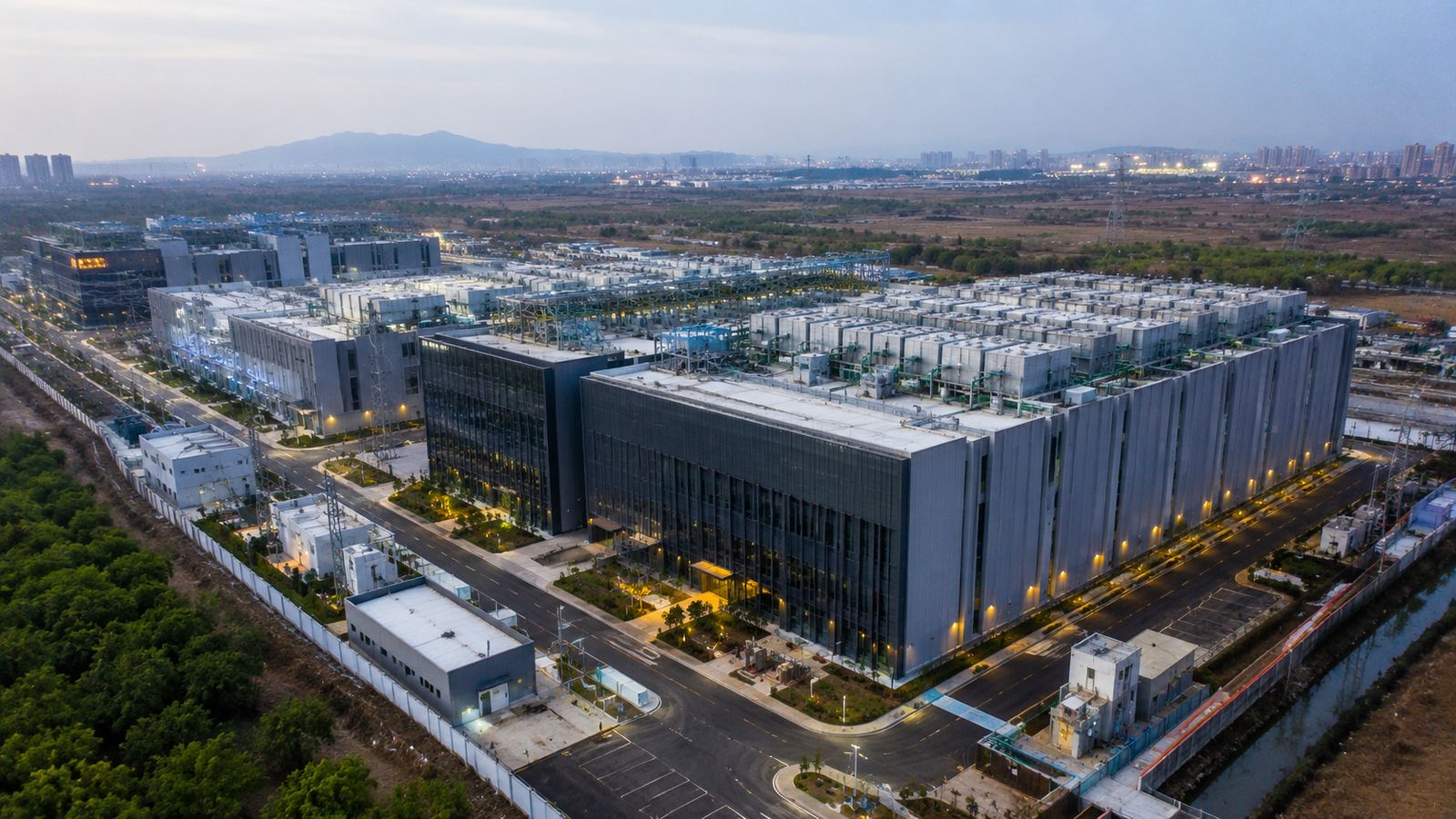
One of the biggest drivers behind Mumbai's growing power demand is the rapid expansion of data centres.
Artificial Intelligence, cloud computing, digital banking, fintech platforms, streaming services, and enterprise software all depend on data centres.
Unlike traditional office buildings, data centres operate 24 hours a day and require uninterrupted electricity.
A single large facility can consume as much power as thousands of homes.
This is one reason why Mumbai and Navi Mumbai have emerged as India's leading digital infrastructure hubs.
As more global technology companies expand operations in India, demand for power-intensive digital infrastructure is expected to rise further.
What Does This Mean For Mumbai Real Estate?
This is where the story becomes important for developers and investors.
Real estate growth does not happen in isolation.
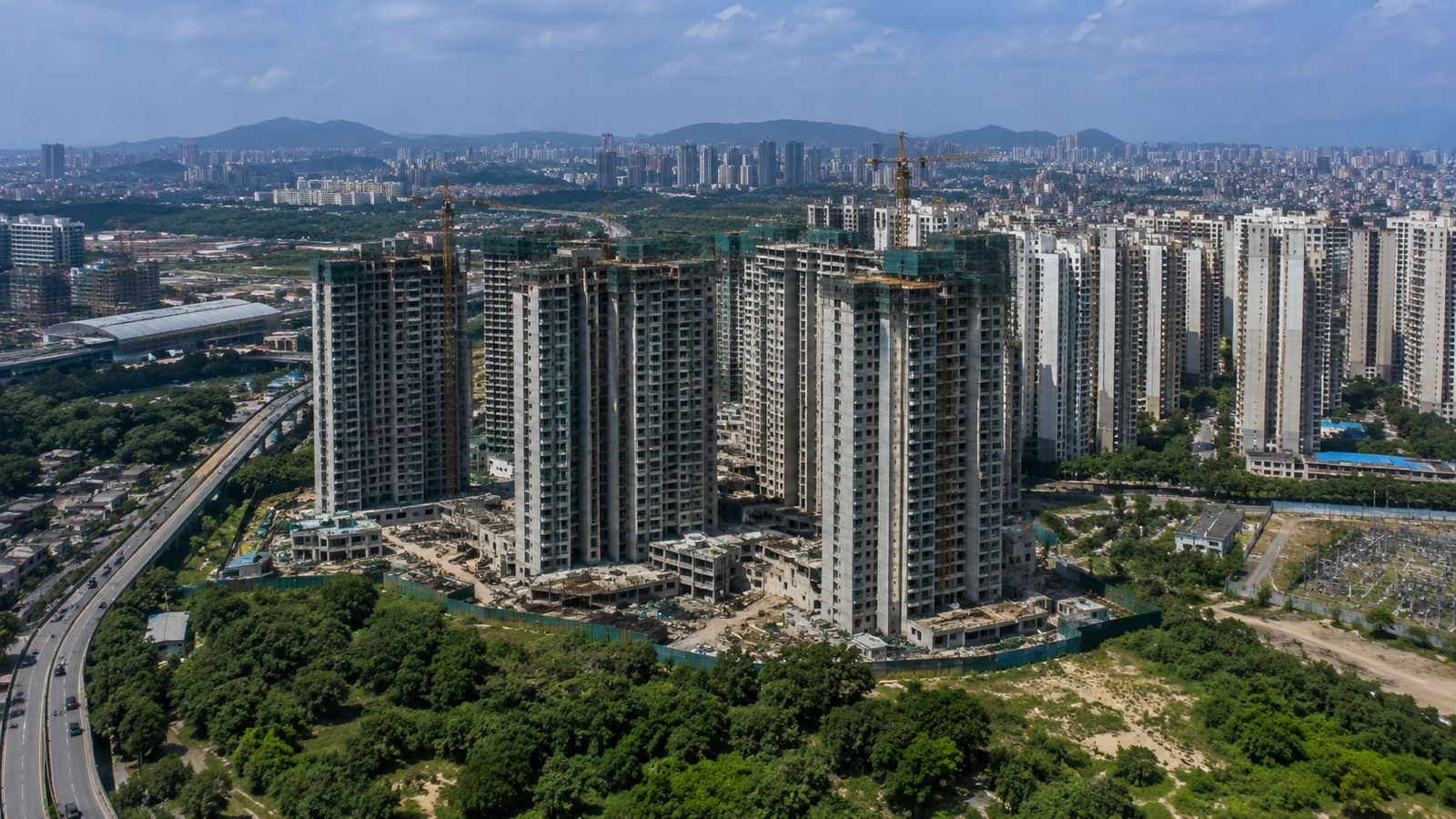
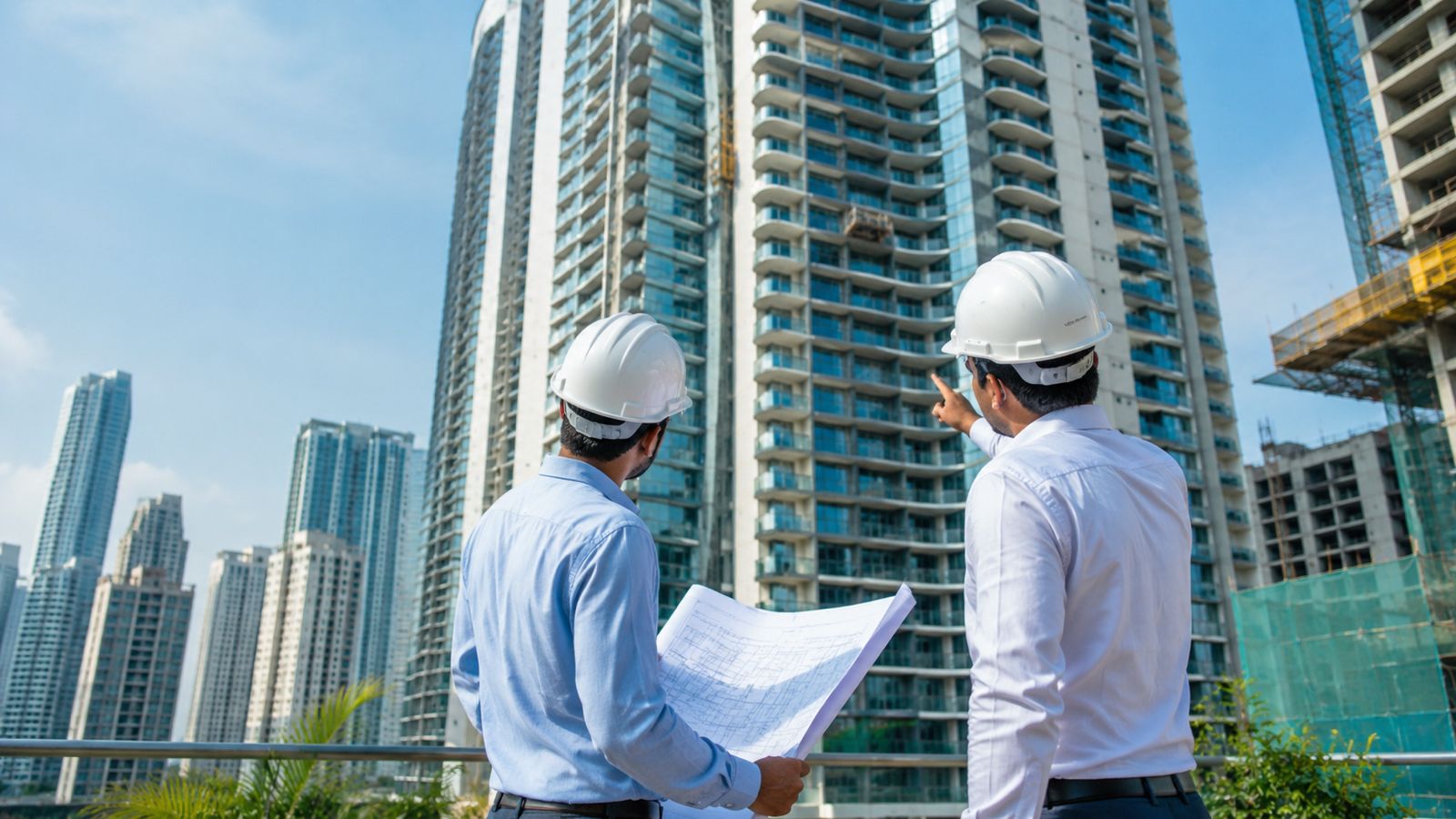
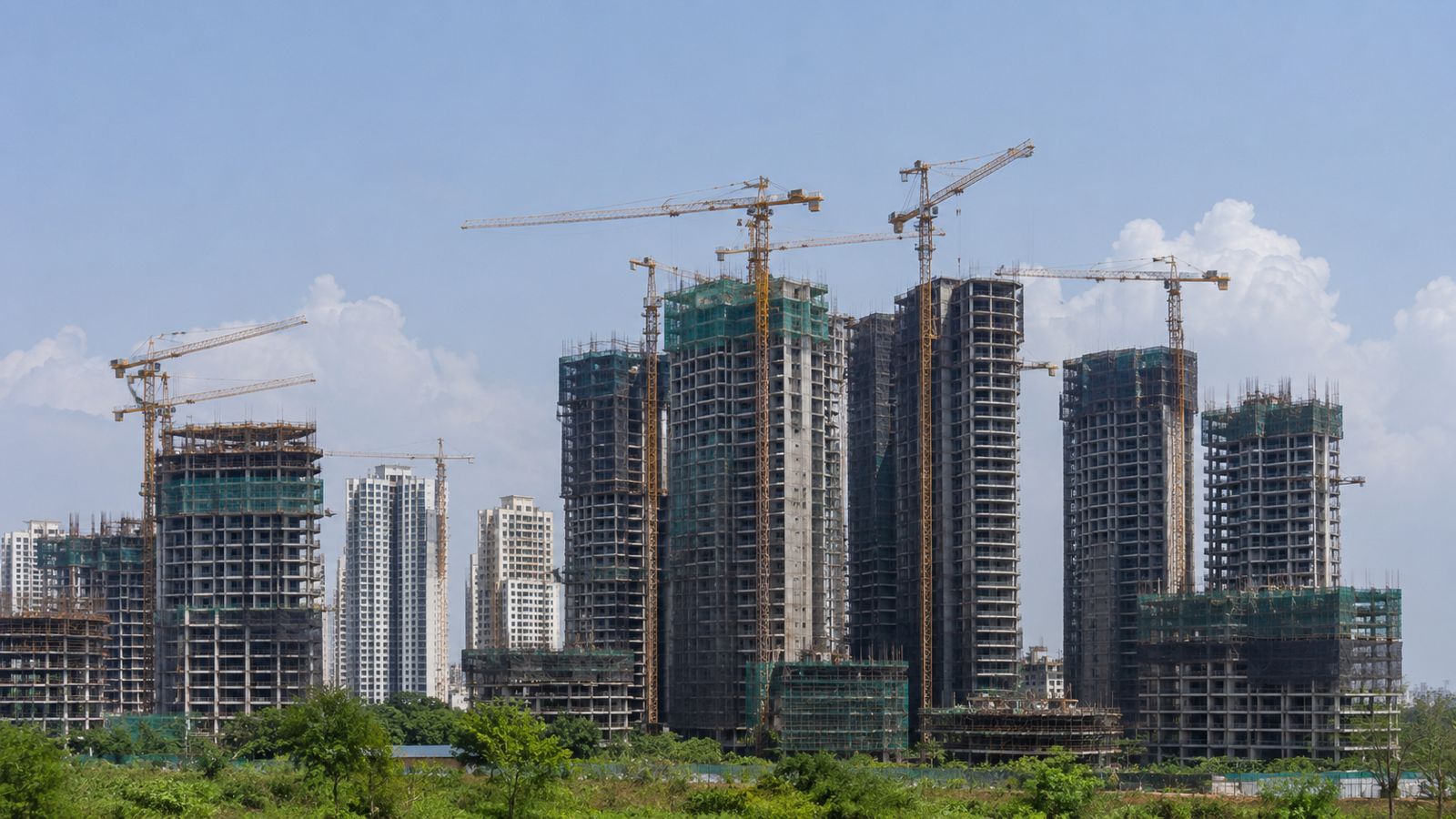
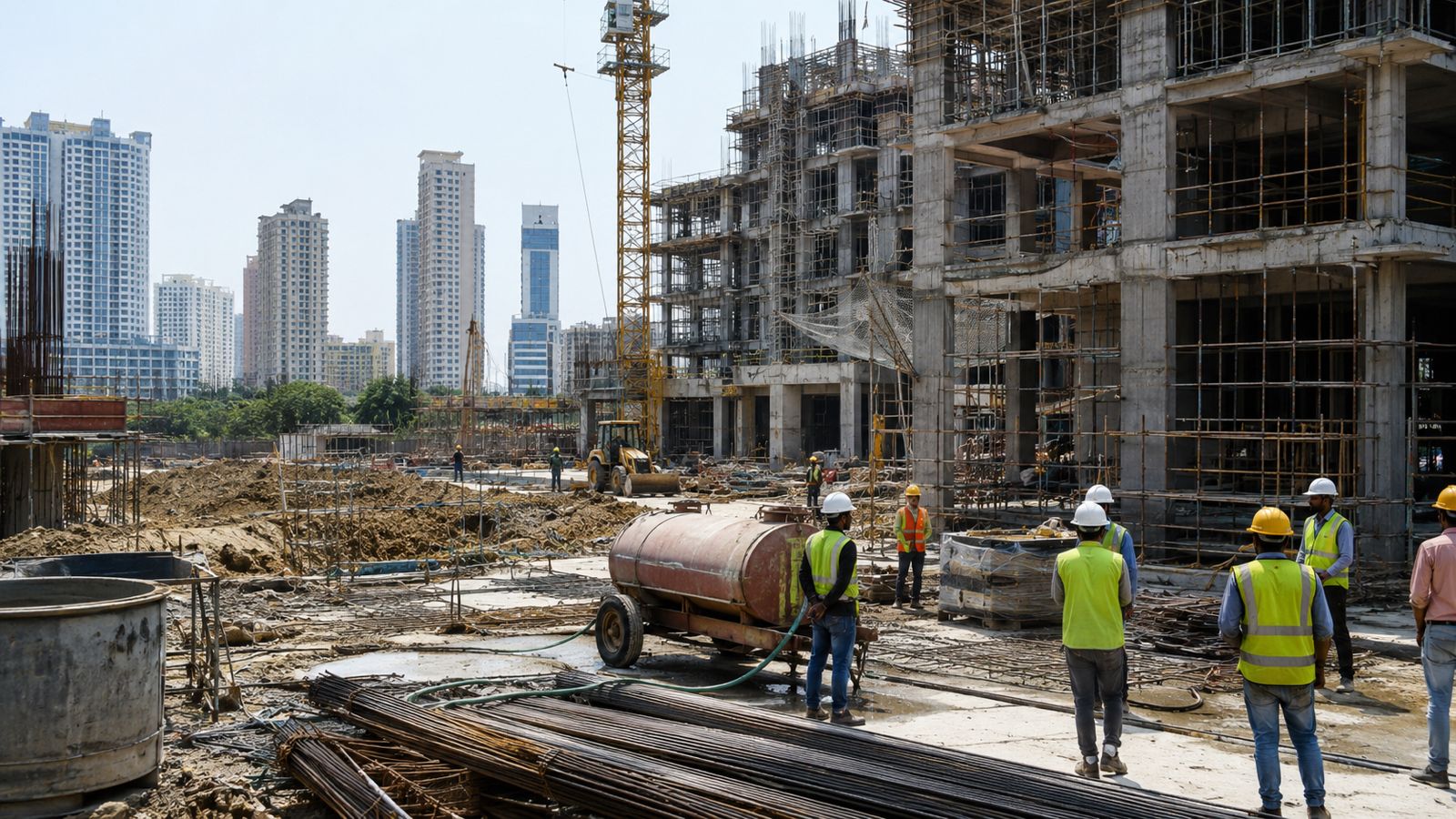
Every new residential tower, commercial district, industrial park, metro corridor, and business hub depends on supporting infrastructure.
Without adequate power infrastructure, future development becomes constrained.
Areas expected to benefit from stronger infrastructure include:
- Navi Mumbai
- Thane
- Chembur
- Vikhroli
- BKC influence zones
- Lower Parel-Worli corridor
- Emerging data centre clusters
As infrastructure improves, these locations become more capable of supporting higher-density development and larger commercial investments.
Which Sectors Could Benefit Most?
The impact extends beyond electricity providers.
Several sectors stand to benefit:
Residential Real Estate
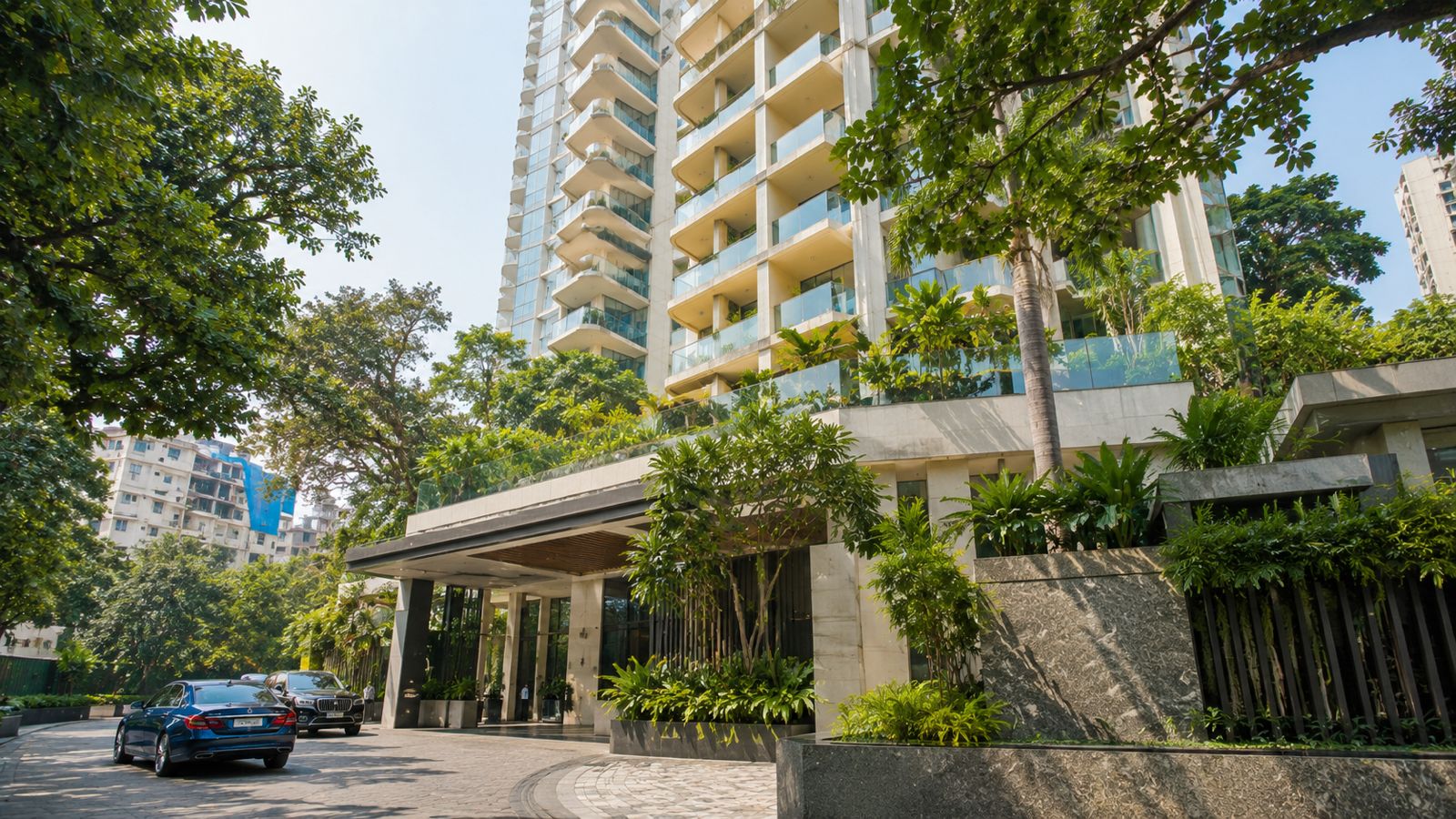
Future housing supply requires stable power infrastructure, particularly as smart homes and energy-intensive amenities become standard.
Commercial Real Estate
Office districts require high reliability to support business operations.
Data Centres
Perhaps the largest beneficiary.
Digital infrastructure growth is directly linked to power availability.
Metro And Transport Infrastructure
Expanding transportation networks require substantial and reliable energy supply.
Industrial And Logistics Parks
Industrial growth increasingly depends on transmission capacity and grid stability.
The power upgrade therefore supports multiple sectors simultaneously.
Why Are Developers Watching Closely?
Developers understand that infrastructure often creates the next wave of real estate appreciation.
Historically, roads, metro projects, airports, and rail corridors have influenced property values.
Power infrastructure is now becoming part of that equation.
The ability to support future residential density, commercial expansion, and technology infrastructure will increasingly influence where capital flows.
For developers active in Mumbai, Thane, and Navi Mumbai, improved power infrastructure creates a stronger foundation for future projects.
What Happens Next?
Mumbai's next decade of growth will likely be shaped by three major forces:
- Infrastructure expansion
- Digital transformation
- Urban redevelopment
All three require power.
The city's future is not simply about constructing taller buildings.
It is about creating the infrastructure capable of supporting them.
The new transmission investments therefore represent something much larger than an electricity upgrade.
They represent preparation for Mumbai's next phase of urban growth.
As demand from housing, transportation, technology, and business continues to rise, reliable power infrastructure may become one of the most important enablers of the city's future development.
Expert View by Sandeep Sadh
Power infrastructure rarely receives the same attention as roads or metro projects, yet it plays a critical role in supporting real estate growth. As Mumbai expands, reliable electricity networks will become essential for residential development, commercial expansion, and the growth of data centre infrastructure.
— Sandeep Sadh
Looking to buy or rent in Mumbai?
Talk to Mumbai's oldest property portal — RERA-verified listings, real availability, instant answers.
More Property News
💬 Comments