
Sion ROB Upgrade Could Boost Central Mumbai Real Estate
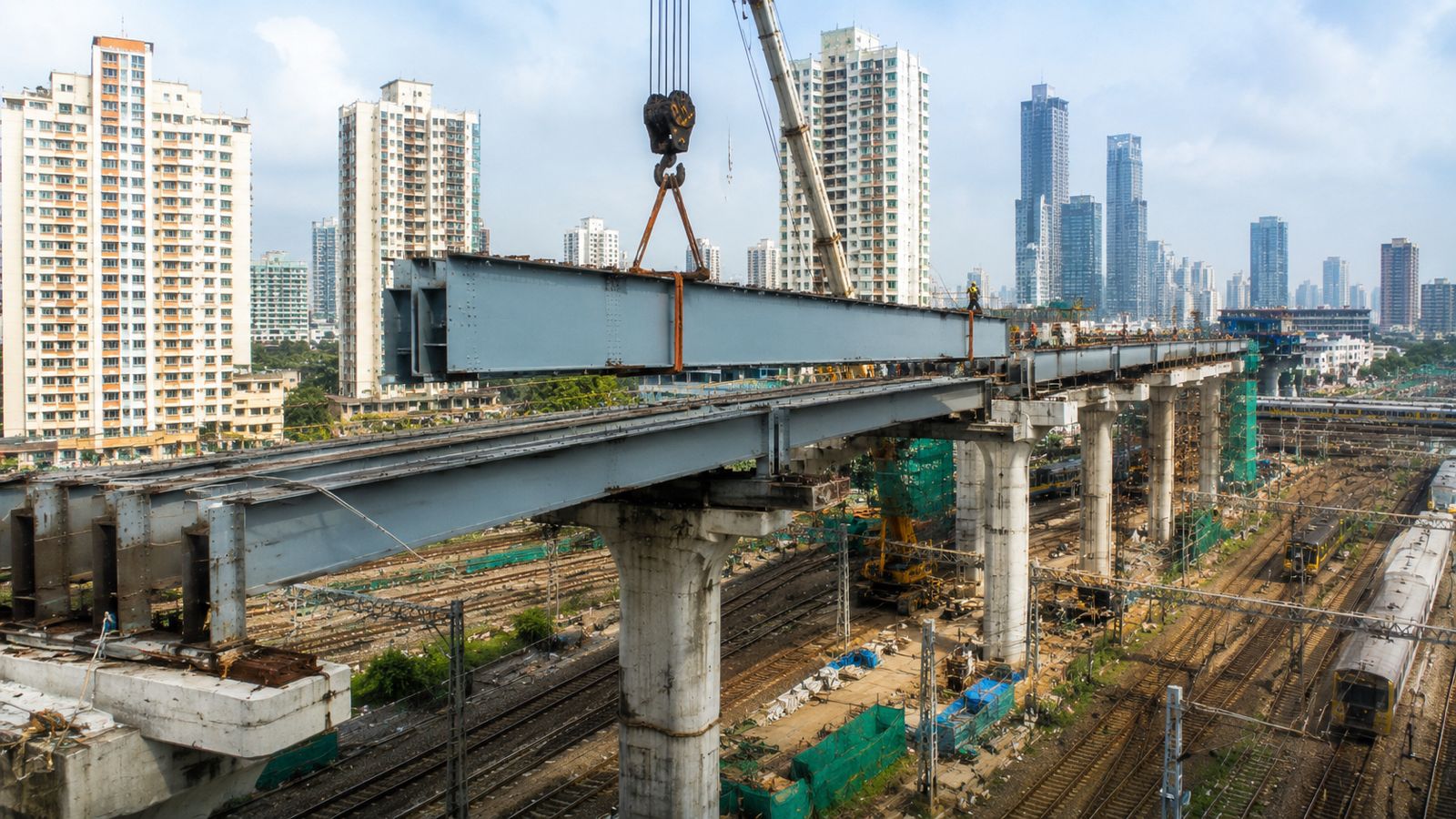
Mumbai's infrastructure transformation continues to gather momentum with significant progress on the reconstruction of the Sion Road Over Bridge (ROB), a project linked to the expansion of rail capacity between CSMT and Kurla. While the development is primarily designed to improve transportation efficiency, its long-term impact could extend well beyond mobility and into the city's real estate market.
Infrastructure projects have historically played a major role in shaping Mumbai's property landscape. Improved connectivity often influences where people choose to live, where businesses expand and where developers focus future investments. The Sion ROB project has the potential to become another example of infrastructure creating long-term real estate value.
Why Sion Is Emerging as a Strategic Growth Node
Sion occupies a unique position within Mumbai's urban landscape, connecting central Mumbai with eastern suburbs and major transportation corridors. As infrastructure improves, the area's importance as a residential and commercial destination is expected to grow further.
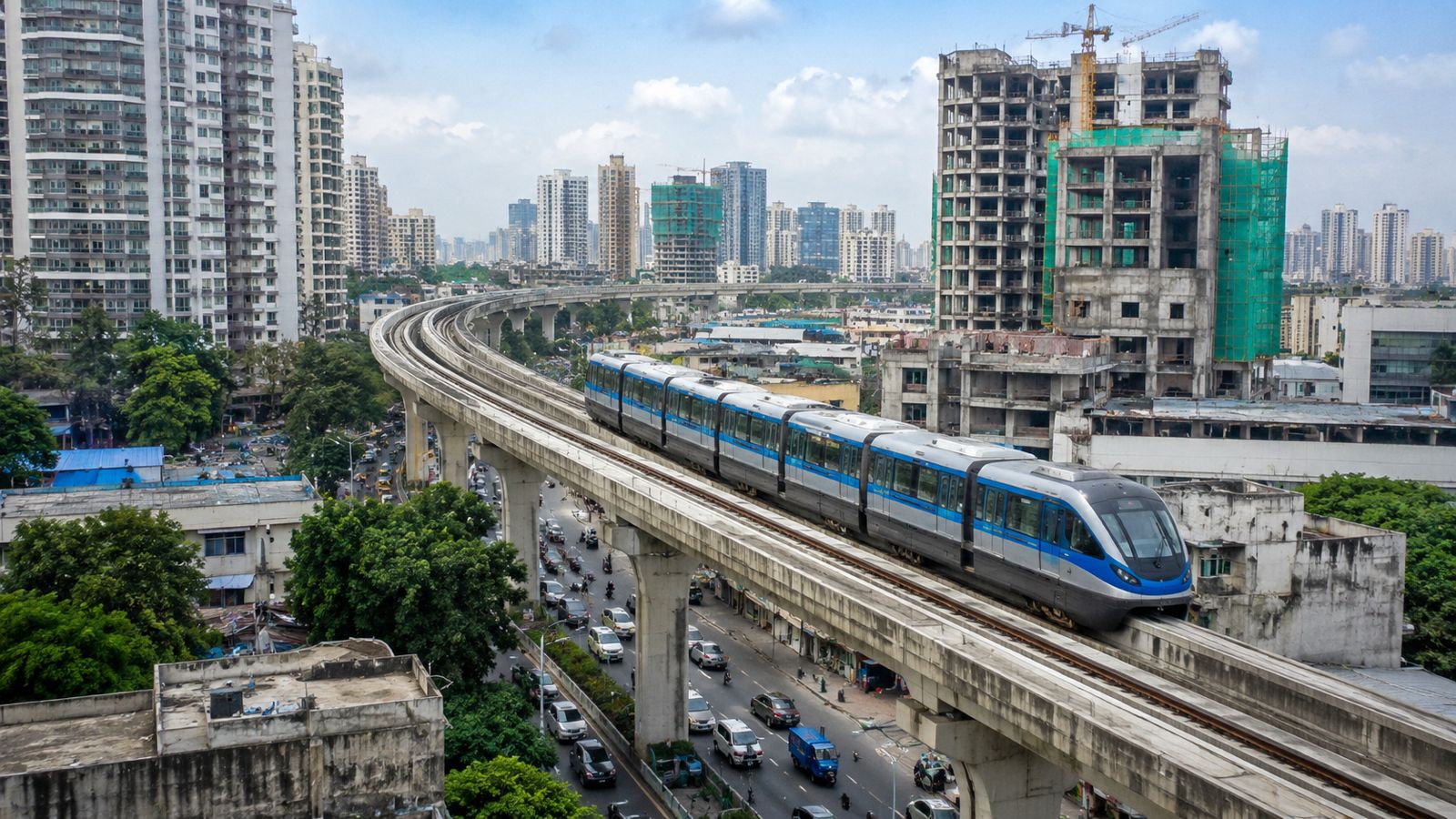
The upgraded bridge is expected to improve traffic movement and strengthen connectivity between key transport networks, helping reduce bottlenecks and improve commuter convenience.
Locations Positioned to Benefit
The project could positively influence several surrounding micro-markets including Sion, Wadala, Dharavi, Matunga, Kurla and Chembur.
Wadala has already established itself as a major redevelopment destination with large-scale residential and commercial projects. Chembur continues attracting homebuyers due to improving connectivity and established social infrastructure. Kurla remains an important business and residential hub, while Matunga and Sion offer a combination of central location and mature neighbourhood infrastructure.
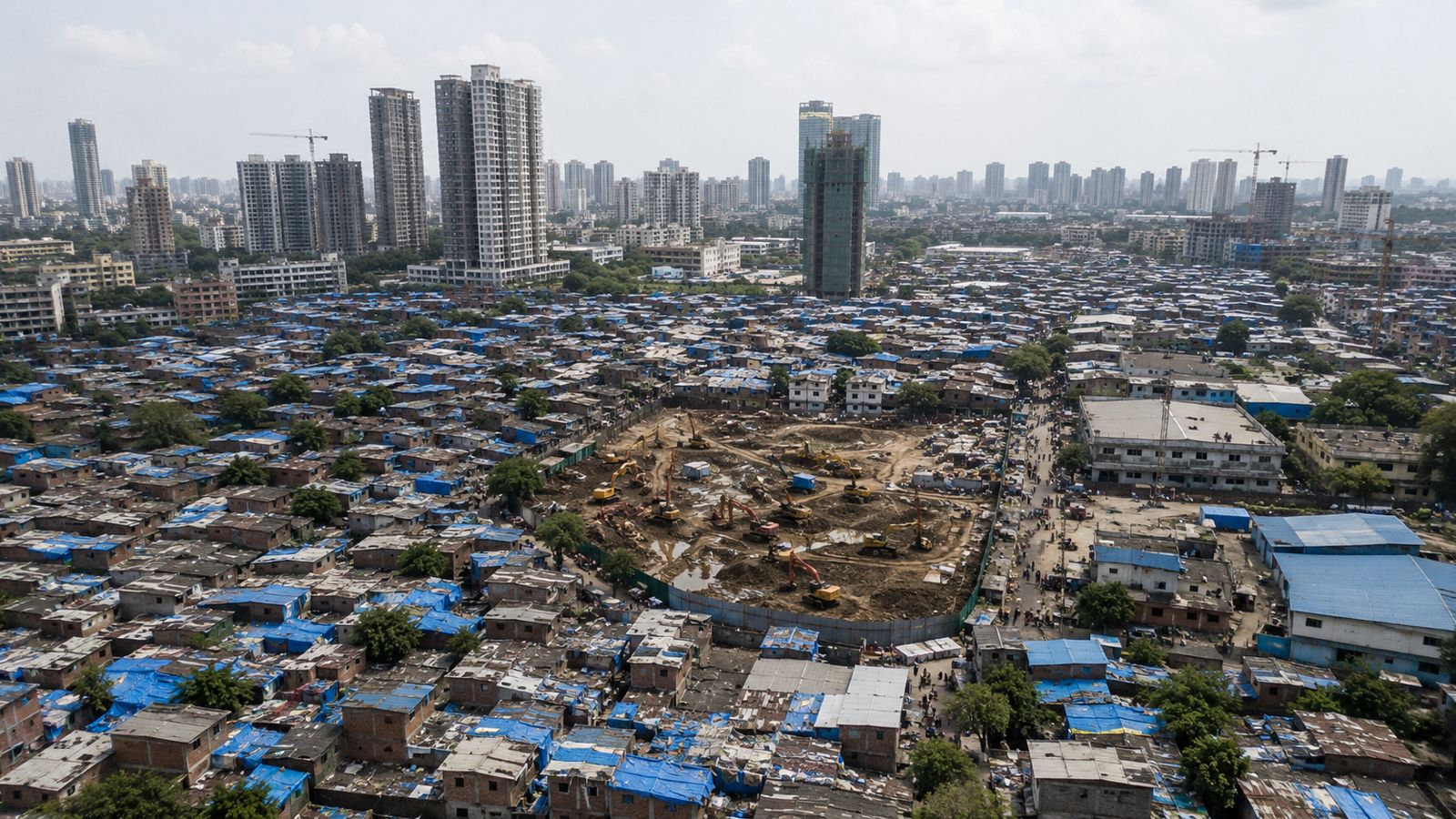
Dharavi's ongoing transformation could also benefit from stronger transportation links and improved accessibility.
What It Means for Homebuyers
Connectivity remains one of the strongest drivers of residential demand in Mumbai. Buyers increasingly prioritize locations that offer shorter travel times and easier access to employment hubs.
As transportation infrastructure improves around the Sion corridor, residential projects in nearby locations could witness stronger demand from both end-users and investors. Rental demand may also benefit as working professionals seek well-connected neighbourhoods close to key business districts.
Commercial Activity Could Receive a Lift
Improved transportation infrastructure often strengthens business activity by making locations more accessible for employees, customers and logistics operations.
Commercial districts in Kurla, Wadala and Sion could benefit from improved movement across the city. Retail establishments located along major transportation corridors may also experience increased footfall as accessibility improves.
The project supports Mumbai's broader goal of creating multiple business and employment centres rather than concentrating activity in a limited number of locations.
Infrastructure Driving Redevelopment Potential
One of the most important real estate impacts could be increased redevelopment activity.
As connectivity improves, older residential and commercial properties often become more attractive for redevelopment. Developers typically prioritize locations where infrastructure upgrades improve long-term marketability and buyer demand.
Areas surrounding Sion, Wadala and Dharavi may witness increased redevelopment interest as transportation networks continue expanding.
Challenges That Remain
Like all major infrastructure projects, the long-term benefits will depend on timely completion and effective integration with surrounding transport systems.
Property markets may not respond immediately, and appreciation often occurs gradually as infrastructure becomes fully operational and commuting patterns evolve.
Long-Term Outlook
The Sion ROB project represents more than a transportation upgrade. It forms part of a larger effort to improve mobility across Mumbai while supporting future urban growth.
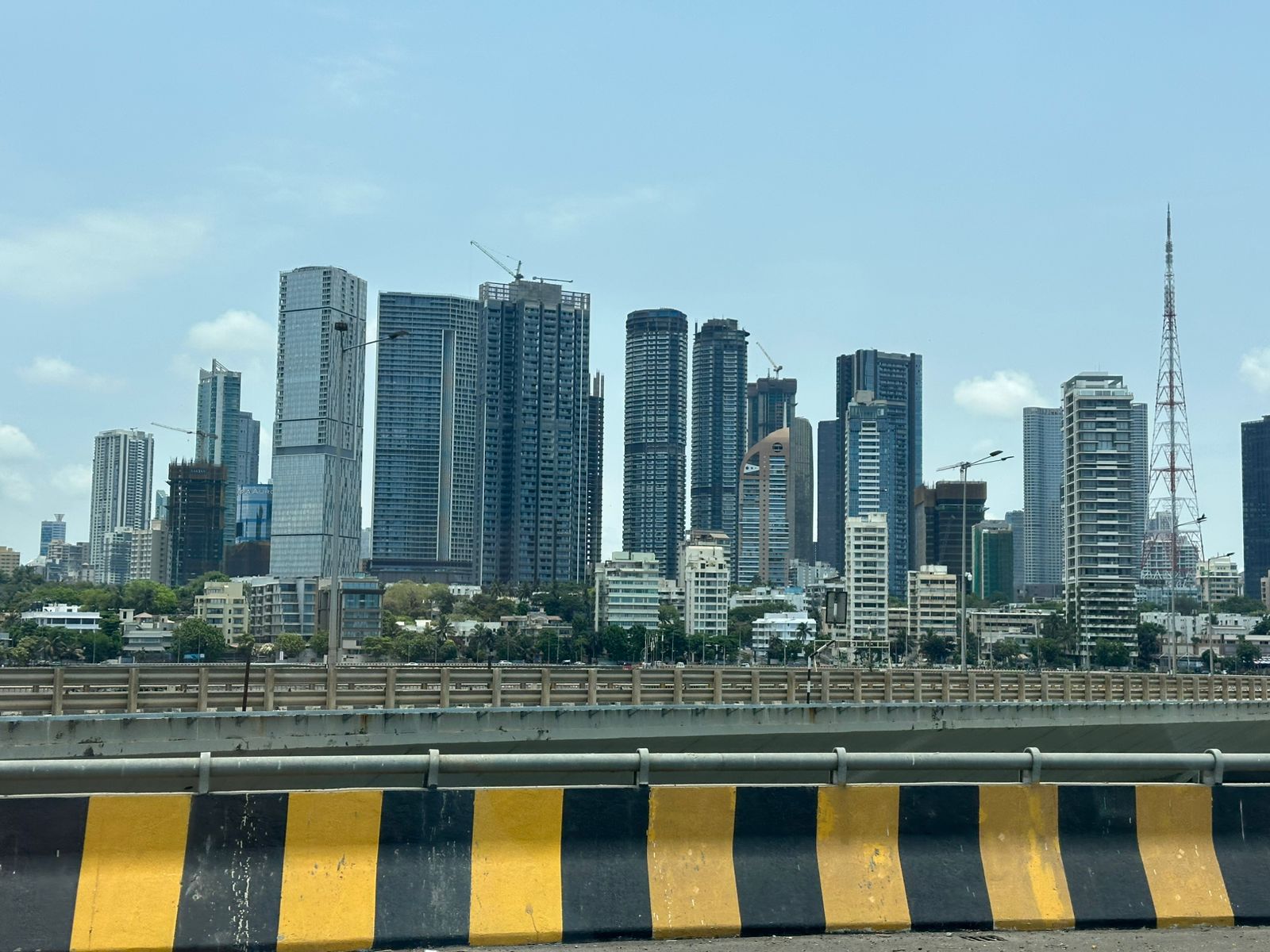
As connectivity improves and rail infrastructure expands, central and eastern Mumbai could become increasingly attractive for homebuyers, businesses and investors. The combination of infrastructure upgrades, redevelopment opportunities and strategic location advantages may help these micro-markets emerge as some of the city's most closely watched real estate destinations over the coming years.
Sandeep Sadh’s View
"Some of Mumbai's strongest property growth stories have been driven by infrastructure. The Sion ROB upgrade may appear to be a transport project today, but over time it could improve the investment appeal of Sion, Wadala, Kurla and Dharavi by enhancing accessibility and supporting redevelopment-led growth."
Looking to buy or rent in Mumbai?
Talk to Mumbai's oldest property portal — RERA-verified listings, real availability, instant answers.
More Property News


💬 Comments