
Adani's Airport City Vision Boosts Mumbai Real Estate
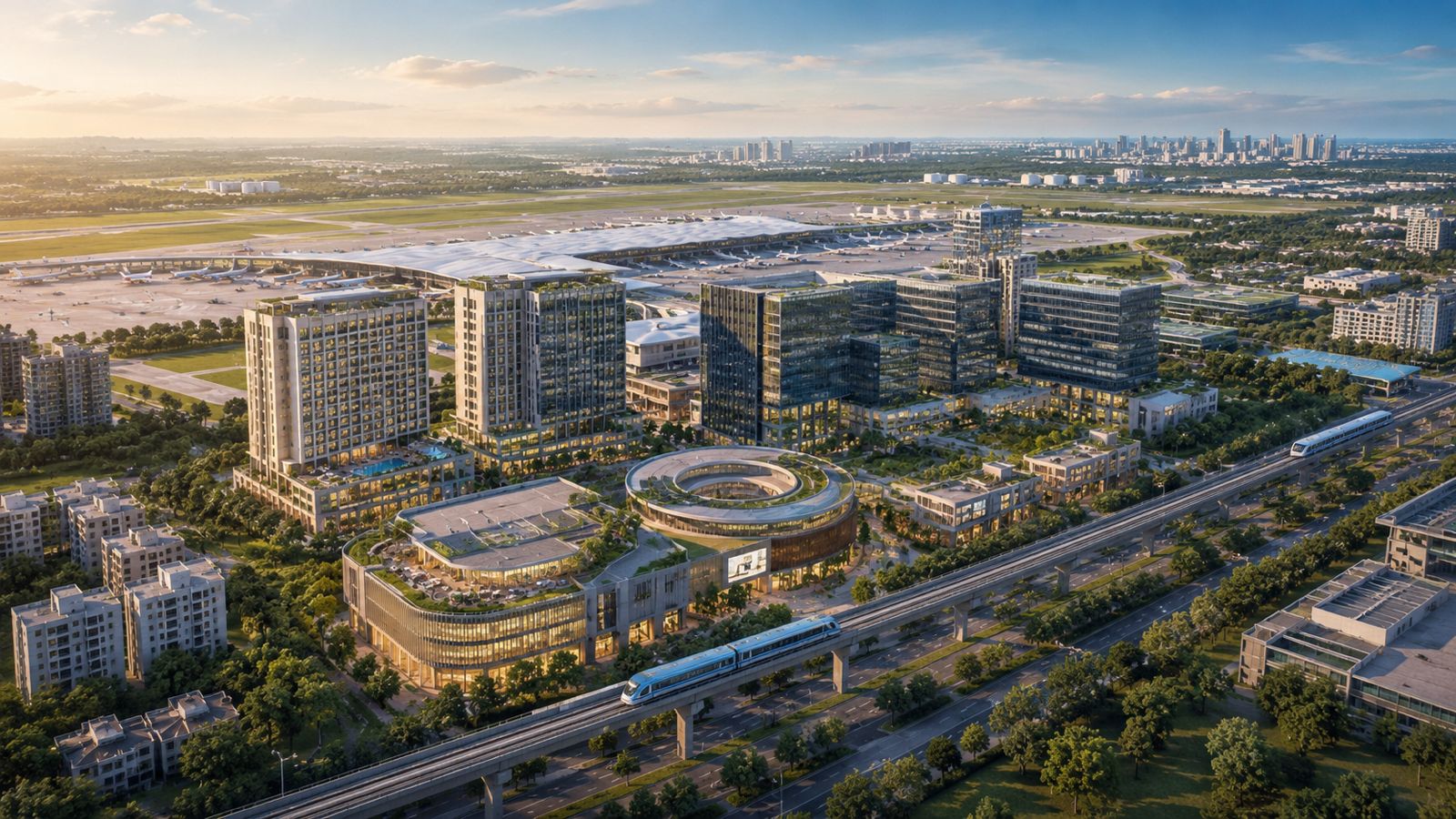
Adani Airports' announcement to develop integrated Aerocities across six airport locations is far more than an aviation infrastructure project. For Mumbai, it signals the emergence of an entirely new real estate ecosystem centred around airports, where commercial offices, hotels, retail, convention centres, entertainment hubs and business districts are developed alongside aviation infrastructure. The company plans to invest about ₹20,000 crore in the first phase, with nearly 440 acres of the planned development located in Mumbai and Navi Mumbai, making the Mumbai Metropolitan Region the largest beneficiary of the initiative.
Unlike traditional airport expansion, an Aerocity transforms an airport into the nucleus of a self-sustaining urban district. The focus shifts from simply moving passengers to creating destinations where people can work, stay, shop, conduct business and invest.
Why Is Mumbai at the Centre of This Strategy?
Mumbai already has one of India's busiest aviation networks and is now supported by two major airports—Chhatrapati Shivaji Maharaj International Airport and the newly operational Navi Mumbai International Airport. Developing Aerocities around both airports has the potential to reshape how commercial activity is distributed across the metropolitan region.
Instead of concentrating business activity in a handful of districts, airport-centric development could create entirely new economic hubs capable of attracting multinational companies, global exhibitions, logistics businesses and hospitality operators.
What Exactly Is an Aerocity?
An Aerocity is an integrated urban development built around an airport. Rather than functioning only as an aviation facility, the airport becomes the anchor for offices, business parks, hotels, convention centres, retail destinations, entertainment zones and supporting infrastructure.
The objective is to create a walkable commercial district that attracts businesses requiring fast domestic and international connectivity while generating long-term economic activity.
Which Areas Could Benefit the Most?
The biggest impact is expected across the Mumbai Metropolitan Region.
In western Mumbai, Andheri East, Vile Parle, Santacruz, Kurla and Bandra-Kurla Complex (BKC) could continue benefiting because of their proximity to Mumbai's existing airport.
However, the largest long-term transformation may occur around Navi Mumbai International Airport. Ulwe, Panvel, Pushpak Nagar, Dronagiri, Kharghar, CBD Belapur, Nerul and surrounding CIDCO-developed nodes could emerge as major commercial and mixed-use destinations as airport-linked development accelerates.
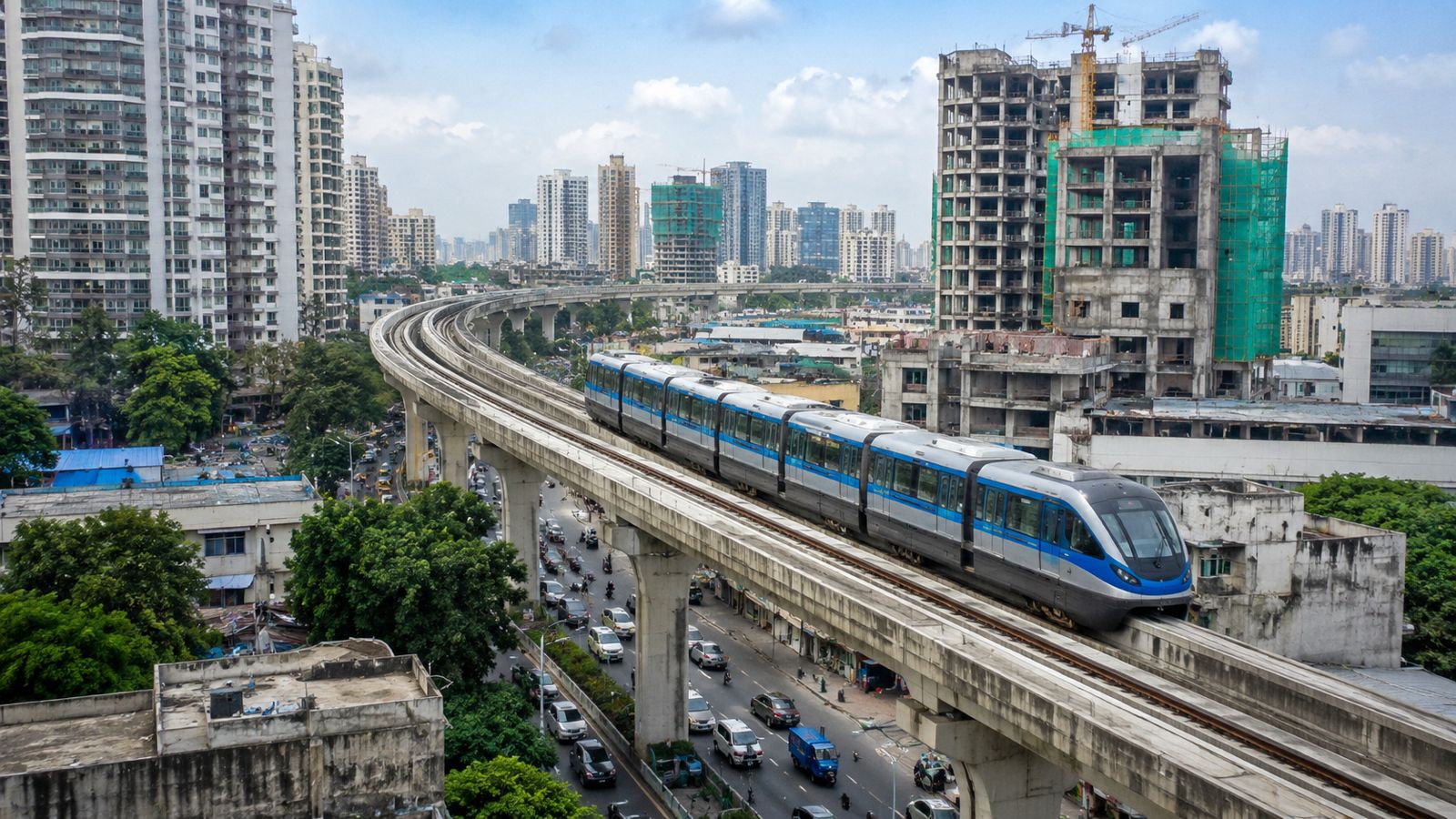
Improved connectivity through the Mumbai Trans Harbour Link, Metro corridors, suburban rail upgrades and expressways further strengthens the investment outlook for these locations.
Who Benefits?
The Aerocity model creates opportunities across multiple sectors.
Homebuyers could benefit from increased residential demand near emerging employment centres.
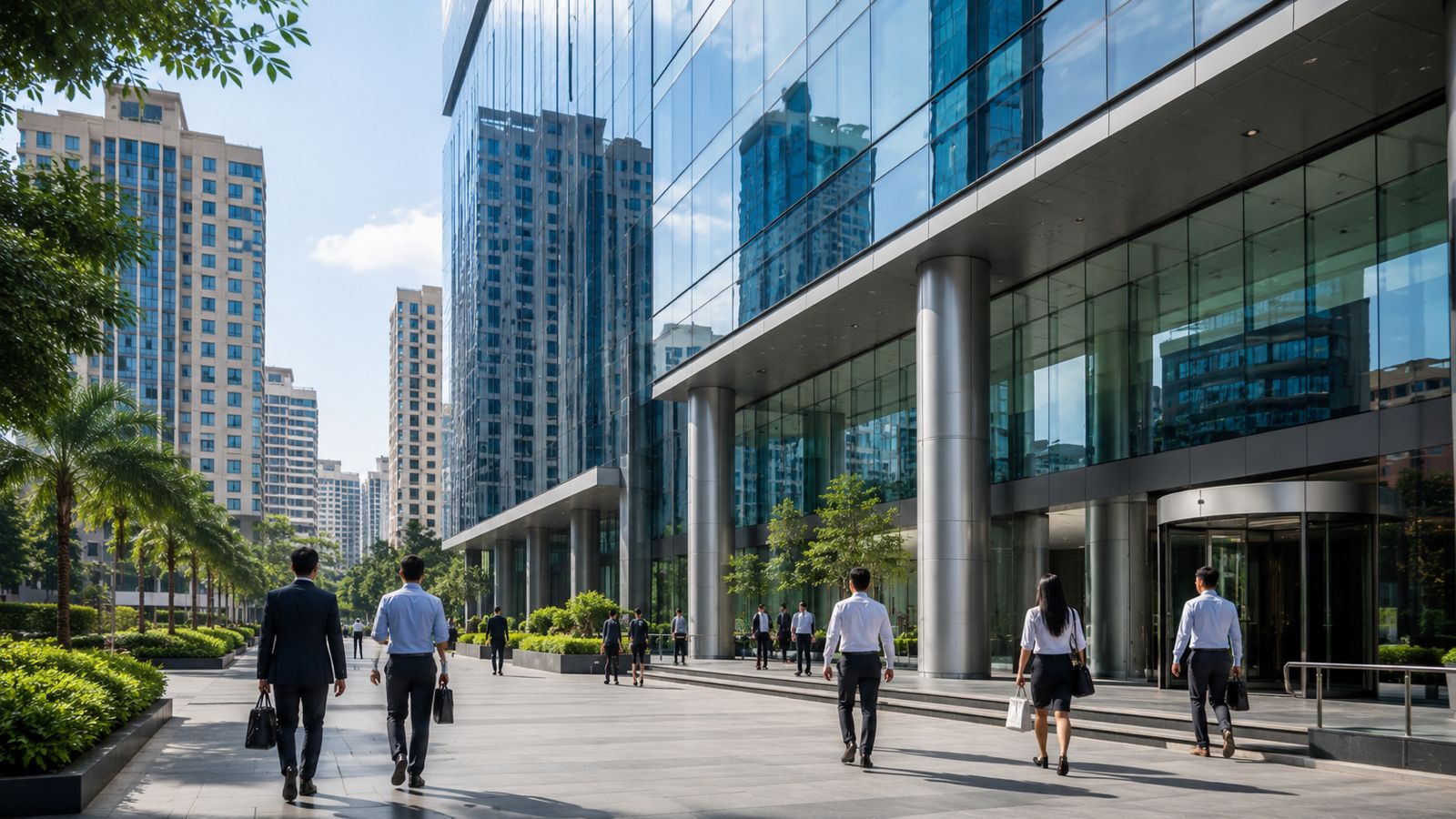
Commercial developers gain opportunities to build Grade A office space, hotels, retail centres and mixed-use projects.
Hospitality operators are likely to benefit from rising business travel, exhibitions and international passenger traffic.
Retail brands may gain access to higher footfall generated by airport-linked commercial districts.
Institutional investors could view airport cities as long-term income-generating assets with stable leasing demand.
Which Developers Could Gain?
Airport-led urbanisation is likely to create opportunities for developers with a strong presence in Mumbai and Navi Mumbai.
Companies such as Adani Realty, Oberoi Realty, Lodha, K Raheja Corp, Hiranandani Group, Godrej Properties, Prestige Group and other developers with commercial or mixed-use portfolios in these growth corridors could benefit from rising demand for offices, hotels, serviced apartments and premium residential developments.
The Aerocity model may also encourage greater institutional investment and future REIT-quality commercial assets.
How Will This Change Mumbai's Commercial Real Estate?
Traditionally, Mumbai's office market has revolved around BKC, Lower Parel, Nariman Point and Andheri.
Airport cities introduce a new commercial development model where businesses choose locations based on global connectivity rather than proximity to the traditional CBD.
This could gradually diversify office demand across the metropolitan region while reducing pressure on existing business districts.
Challenges That Need Attention
Large-scale airport cities require coordinated planning, infrastructure delivery, traffic management and phased execution.
Road capacity, public transport integration, utilities and environmental clearances will all influence how successfully these Aerocities evolve into thriving business districts rather than isolated developments.
The Bigger Picture
The real story is not the construction of commercial buildings around airports—it is the creation of entirely new economic centres.
For Mumbai, this marks the beginning of a shift from city-centric growth to airport-centric urban development. As Mumbai and Navi Mumbai become connected through major infrastructure projects, Aerocities could redefine where businesses locate, where people live and where developers invest over the next decade.
Sandeep Sadh’s View
"Airport cities represent the next evolution of Mumbai's real estate market. The opportunity is not limited to the airport itself but extends to the surrounding commercial corridors, residential neighbourhoods and infrastructure networks. As businesses increasingly value connectivity, Aerocities could become one of the strongest long-term growth drivers for the Mumbai Metropolitan Region."
Looking to buy or rent in Mumbai?
Talk to Mumbai's oldest property portal — RERA-verified listings, real availability, instant answers.
More Property News
💬 Comments