
Boisar to BKC in 30 Minutes? Why Faster Connectivity Alone May Not Be Enough to Drive Residential Migration
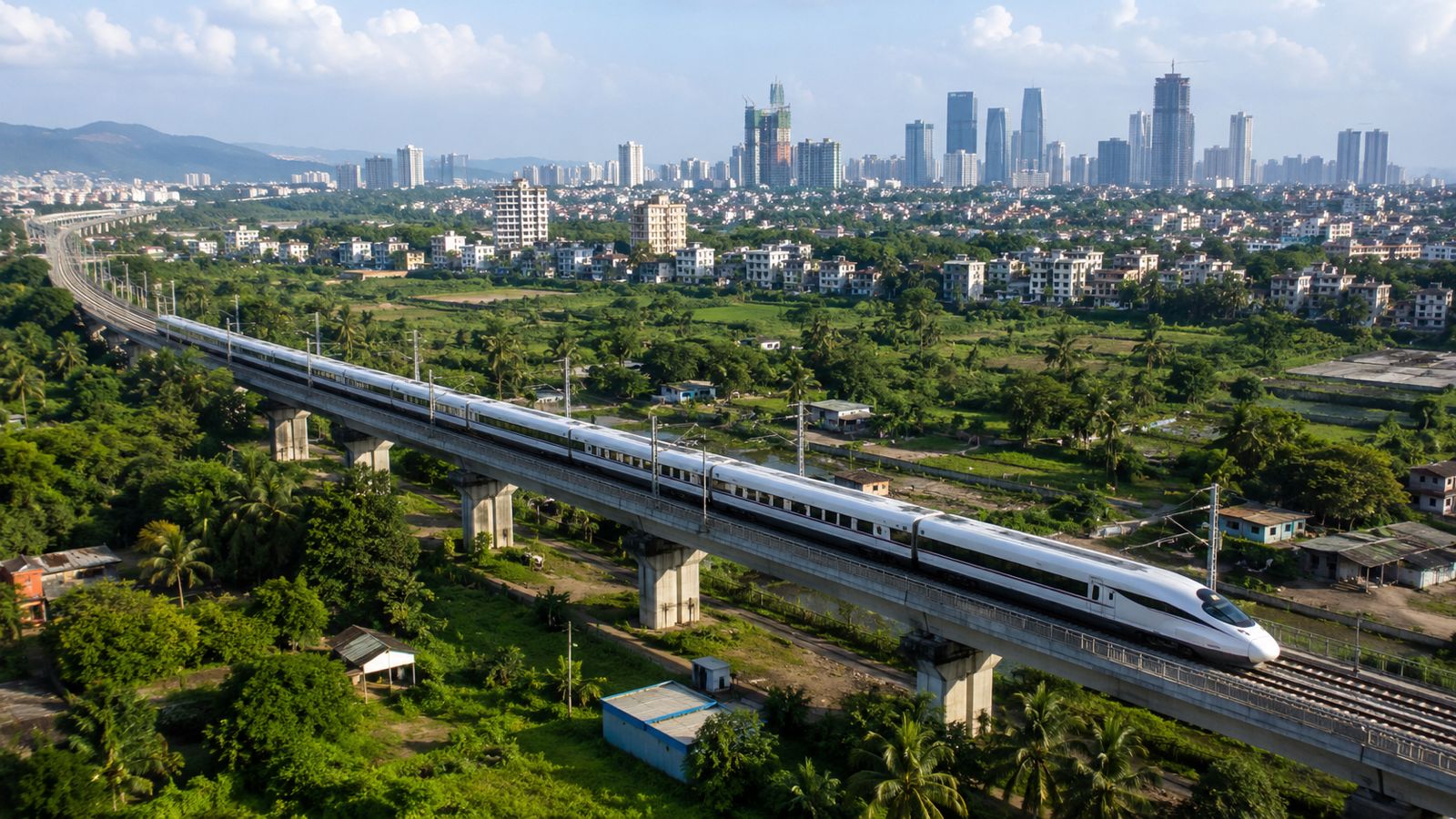
Boisar to BKC in 30 Minutes? Why Faster Connectivity Alone May Not Be Enough to Drive Residential Migration
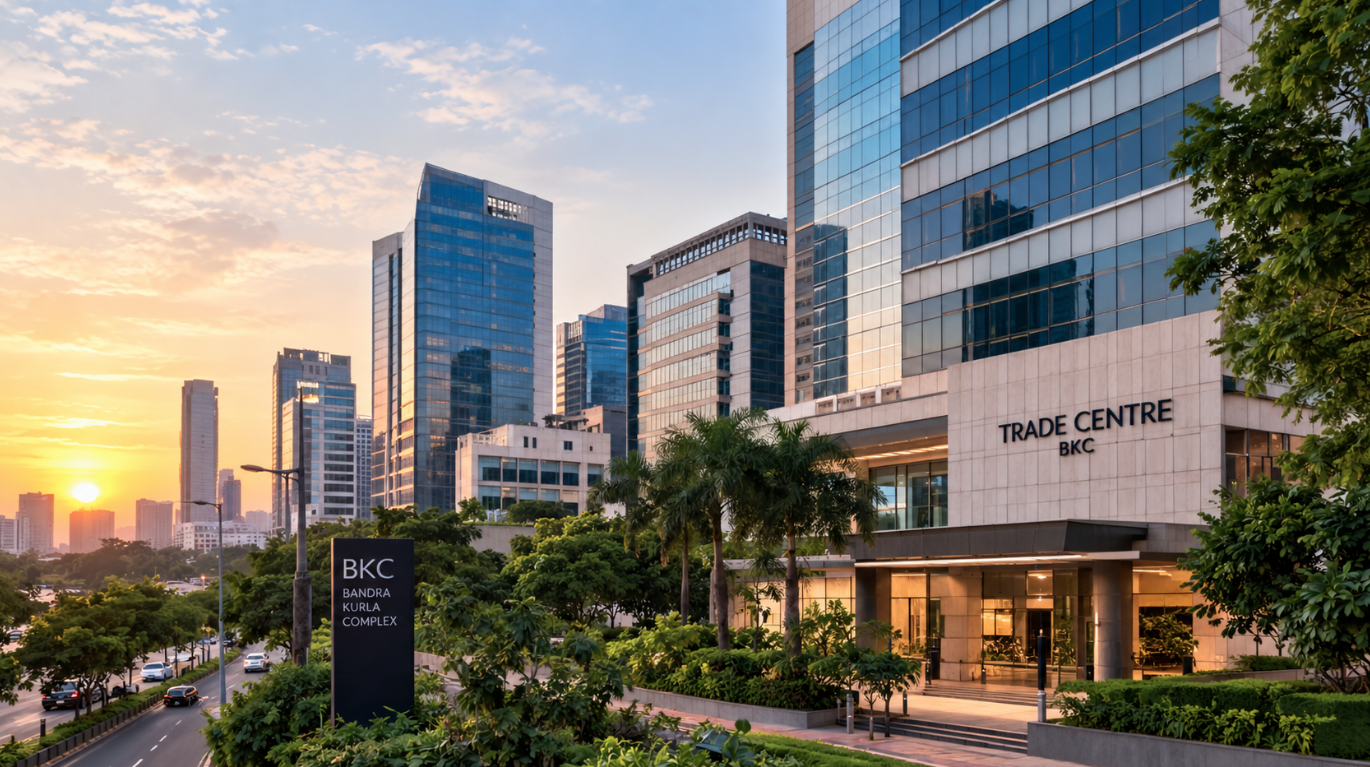
The announcement that commuters could eventually travel from Boisar to Mumbai's Bandra Kurla Complex (BKC) in approximately 30 minutes through the Mumbai-Ahmedabad Bullet Train has generated significant interest across the real estate sector. Improved connectivity has historically influenced property markets, and many believe the project could unlock new growth opportunities for Boisar and neighbouring regions in northern MMR.
However, while infrastructure projects often improve accessibility, residential migration is driven by far more than travel time. For most homebuyers, purchasing a home is a long-term lifestyle decision rather than simply a commuting calculation.
Connectivity Is Only One Part of the Homebuying Decision
Reduced travel time undoubtedly makes Boisar more accessible for professionals working in Mumbai's commercial districts. Yet, families evaluating a permanent move typically consider several practical factors beyond transportation.
Access to reputed schools, quality healthcare facilities, shopping destinations, recreational spaces, employment opportunities for multiple family members, and an established social ecosystem often play an equally important role in deciding where to live.
For many households already settled in Mumbai, relocating to a new city involves changing schools, adjusting daily routines, rebuilding social networks and reconsidering lifestyle preferences—factors that cannot be addressed by faster rail connectivity alone.
The Real Commute Extends Beyond the Bullet Train
While the projected Boisar-to-BKC travel time is approximately 30 minutes, commuters will still need to account for the complete door-to-door journey.
Travelling from home to the bullet train station, boarding procedures, onward travel from the BKC station to the workplace, and the return journey all contribute to the overall daily commute. The convenience of these first-mile and last-mile connections will ultimately influence how practical the service becomes for regular commuters.
Who Could Benefit the Most?
The proposed connectivity is likely to appeal to specific buyer segments rather than the broader residential market.
First-time homebuyers seeking larger homes at comparatively lower prices, long-term investors, industrial professionals working in the Palghar region, and buyers willing to trade proximity for affordability could view Boisar more favourably as infrastructure develops.
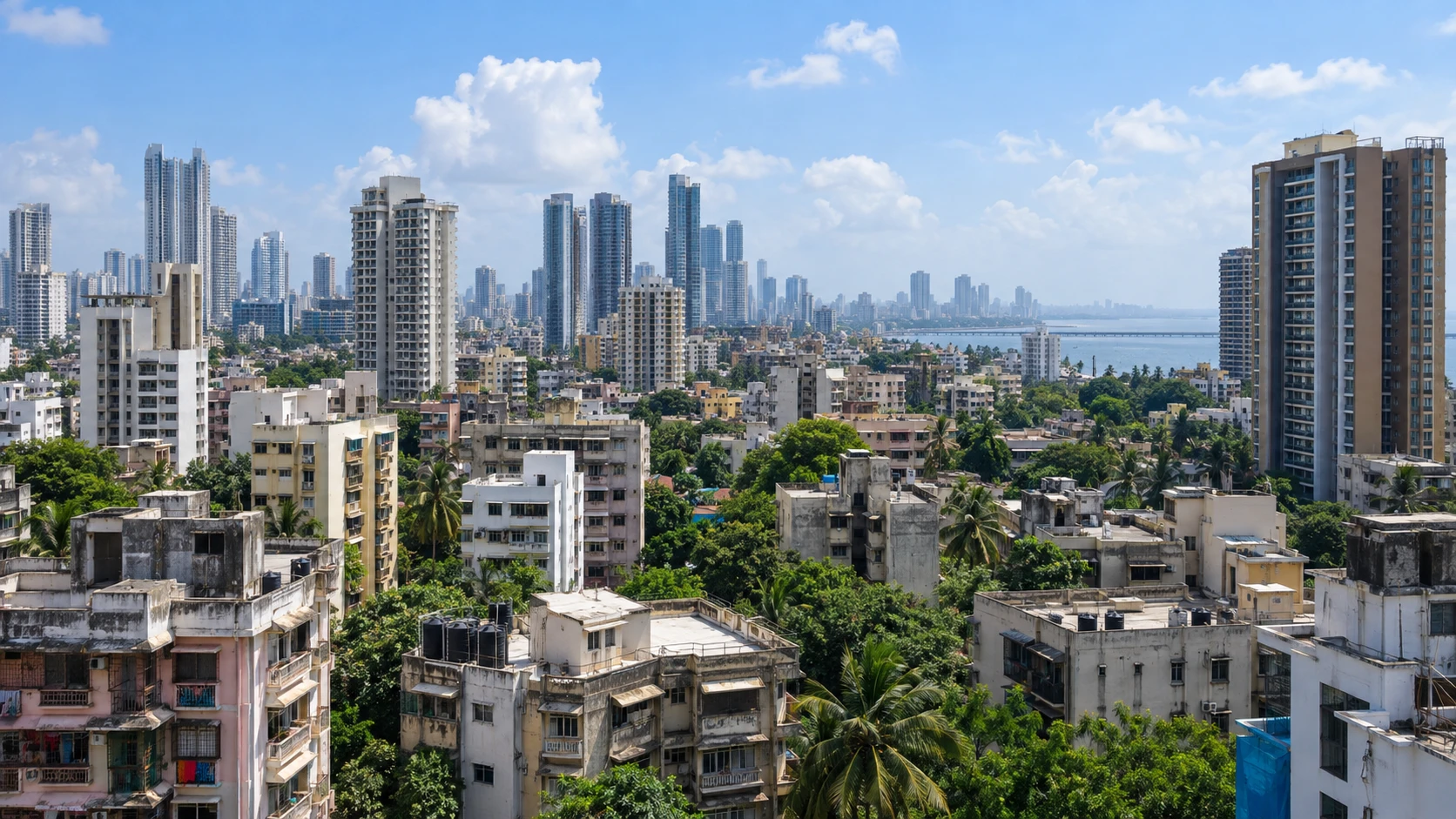
On the other hand, families already residing in well-established neighbourhoods such as Bandra, Andheri, Powai, Thane or South Mumbai may evaluate relocation differently, particularly if their existing communities, schools, workplaces and social networks already meet their lifestyle requirements.
Can Infrastructure Create a Complete Ecosystem?
Major transport projects often act as catalysts for development, but successful residential destinations typically evolve through a combination of infrastructure, employment generation and social amenities.
For Boisar to emerge as a preferred residential destination over the long term, continued growth in commercial activity, educational institutions, healthcare facilities, retail developments and recreational infrastructure may become just as important as improved connectivity.
Developers and investors frequently respond early to infrastructure announcements, but sustained end-user demand generally depends on whether an area matures into a well-rounded urban ecosystem capable of supporting daily life.
A Long-Term Opportunity Rather Than an Immediate Shift
Large-scale infrastructure projects often reshape property markets gradually. While the bullet train could improve Boisar's visibility among investors and homebuyers, widespread residential migration is unlikely to depend on travel time alone.
Instead, the long-term success of the region may be determined by how effectively future residential development is supported by employment opportunities, civic infrastructure and lifestyle amenities that encourage families to establish permanent roots.
As Mumbai continues to expand beyond its traditional boundaries, Boisar's growth story may eventually become one of both connectivity and ecosystem development. Until then, improved accessibility should be viewed as an important first step rather than the sole driver of residential demand.
Expert View by Sandeep Sadh
Infrastructure has historically influenced property values across the Mumbai Metropolitan Region, but successful residential markets are built on more than transport links. While the proposed bullet train significantly enhances Boisar's connectivity with Mumbai's business district, long-term housing demand is likely to depend on the simultaneous development of schools, healthcare, employment centres, retail and civic infrastructure. Investors may see early opportunities, but sustained end-user demand will ultimately be driven by the creation of a complete and liveable ecosystem rather than reduced travel time alone.
Looking to buy or rent in Mumbai?
Talk to a Mumbai property advisory and data platform operating since 1995. Availability is reconfirmed before visits.
Related news
- Sonu Nigam Sells BKC Commercial Property for ₹18 Crore · 15 Sep 2026
- Sonu Nigam Sells 3,082 Sq Ft BKC Commercial Property for ₹18 Crore · 15 Sep 2026
- Sonu Nigam Closes ₹18 Crore Commercial Property Deal in BKC · 15 Sep 2026
- Mumbai MMR Targets $1.5 Trillion Economy by 2047 · 04 Sep 2026
- Kurla’s 8.5-Acre Taximen Colony Redevelopment Faces Multi-Agency Scrutiny · 21 Aug 2026
- Julius Baer Leases 74,000 Sq Ft Office in Andheri East · 13 Aug 2026
More Property News



💬 Comments