
Mumbai civic body offers OC amnesty for pre-2016 buildings
Mumbai's civic body has rolled out an amnesty scheme for buildings that were occupied before 2016 but never received their Occupation Certificate. The scheme is expected to cover roughly 20,000 buildings across the city, and for anyone holding a flat in one of them, it is the single most consequential paperwork event in years. An OC is what separates a legally occupiable building from one that exists in a grey zone — and that grey zone has quietly shaped pricing, lending and resale in several pockets of the city.
For buyers, the practical effect is straightforward. A flat in a building without an OC is hard to mortgage, harder to sell, and often carries a visible discount. Once regularised, those units move closer to the mainstream market — finance becomes easier, resale becomes cleaner, and the artificial discount should narrow. For sellers who have been sitting on such flats, this is the moment to get the file in order rather than wait for a buyer to ask questions.
It is important to read the scheme for what it is: a regularisation window, not an automatic clearance. Buildings will still need to meet the conditions the civic body has set, and societies will have to do the running — compiling documents, resolving internal disputes over dues and repairs, and following the process to closure. Experience from earlier amnesty exercises in the region suggests that the buildings that move early are the ones that benefit most, while those that delay end up paying more in fees and compliance later.
For the wider market, the signal matters more than the count. A large stock of buildings moving from informal to formal occupancy improves the quality of what is being transacted in Mumbai, and it gives lenders and buyers greater confidence in older housing stock. It also nudges developers towards completing paperwork on time, because the cost of non-compliance is now visible to everyone.
Sandeep's take: This is a quiet but genuinely positive reform. It does not create new supply, but it makes a large slice of existing Mumbai housing bankable and saleable. If you own a flat in a pre-2016 building without an OC, treat this window as a deadline, not an option — get your society moving, get the documents ready, and get the certificate. The buyers who understand this will find value in buildings that the market has been unfairly discounting.
What to watch next: The final list of eligible buildings, the fee structure and the compliance timeline the civic body notifies — and whether banks and housing finance companies formally relax their stance on lending against units in these buildings once the OC is granted.
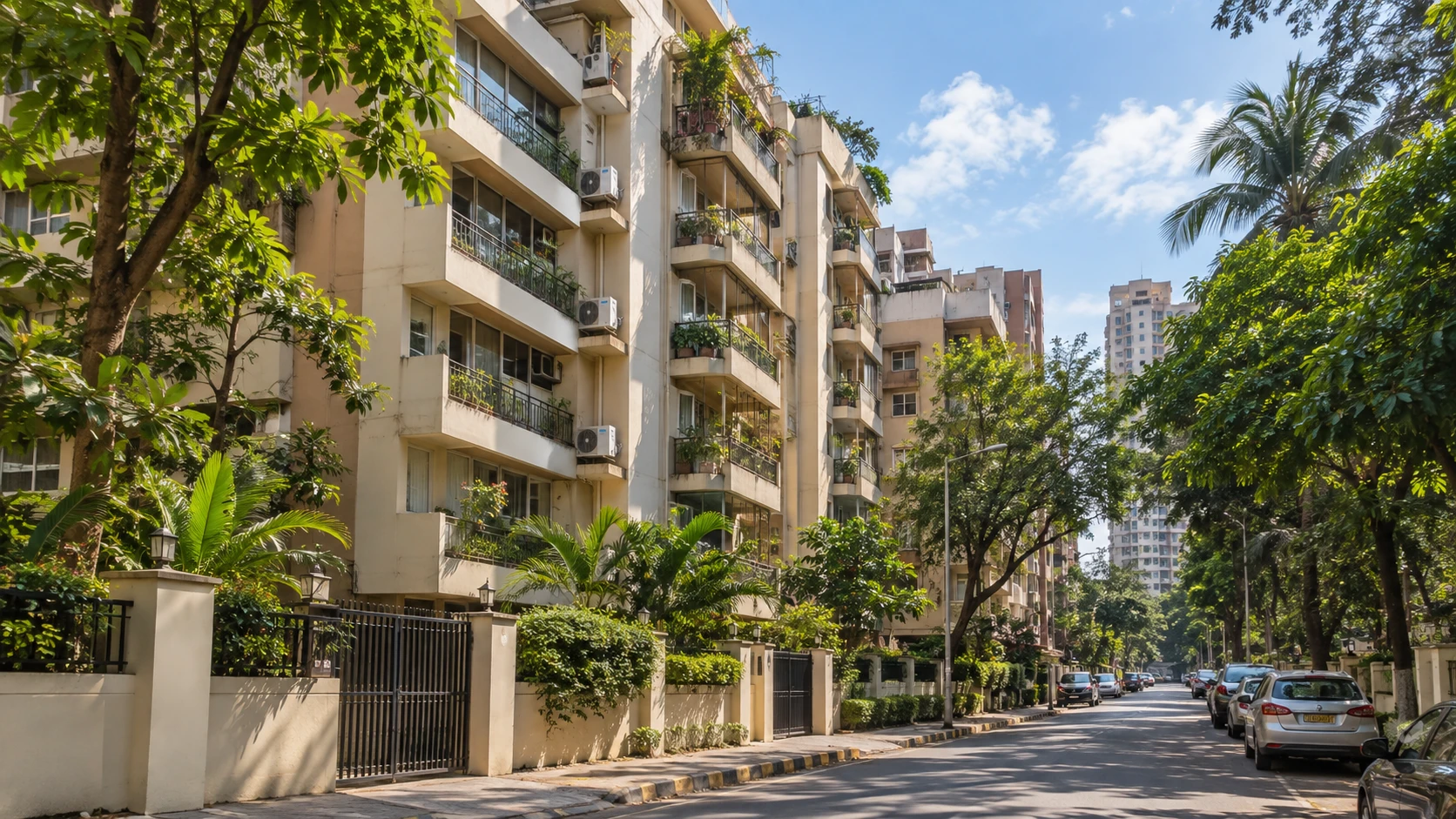
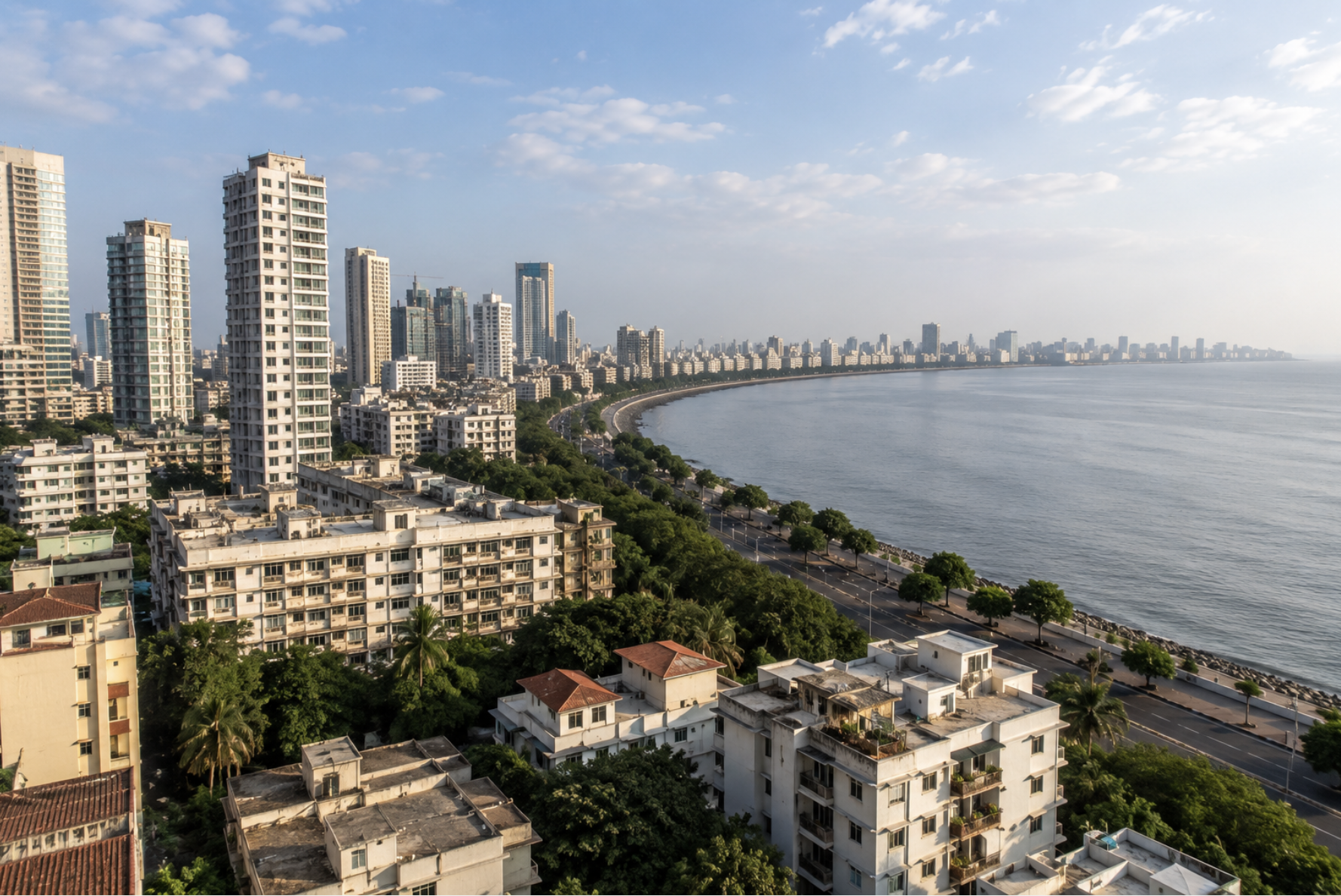
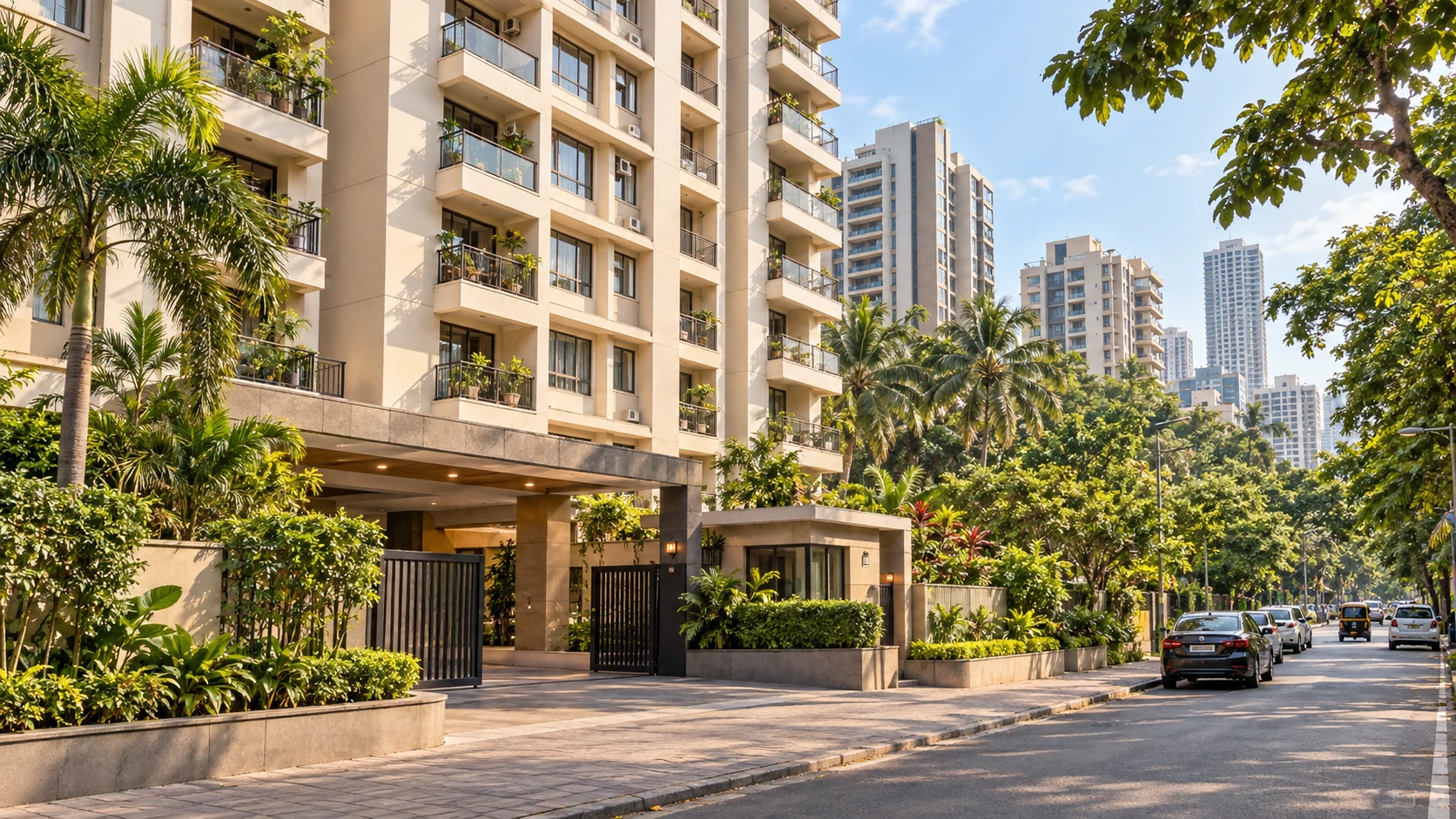
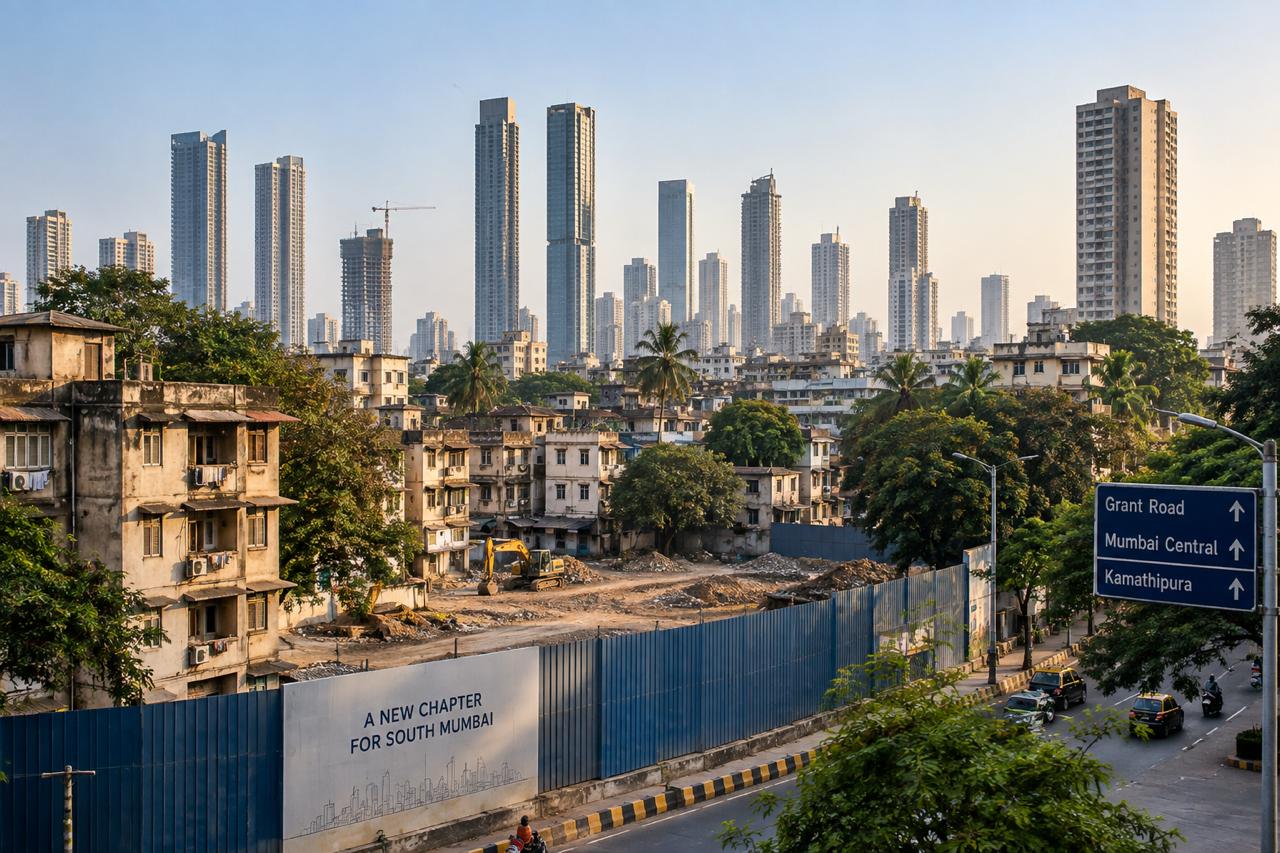
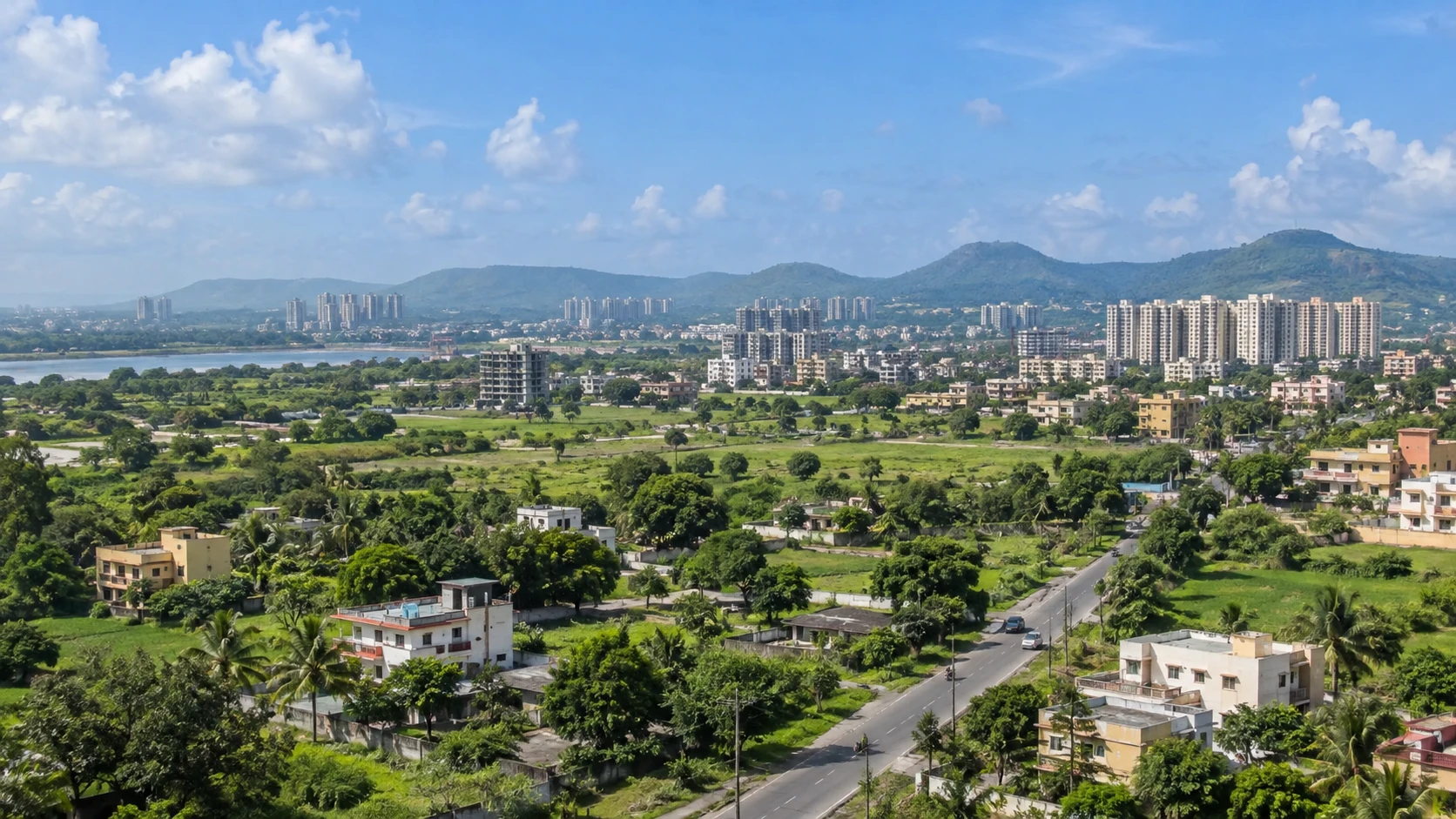
AI-generated representative image inspired by the Mumbai region; not a photograph of the actual property, project or location reported.
Looking to buy or rent in Mumbai?
Talk to a Mumbai property advisory and data platform operating since 1995. Availability is reconfirmed before visits.
More Property News
💬 Comments