
SRA revises CRZ permissions, squeezing buildable area on sea-facing Mumbai projects
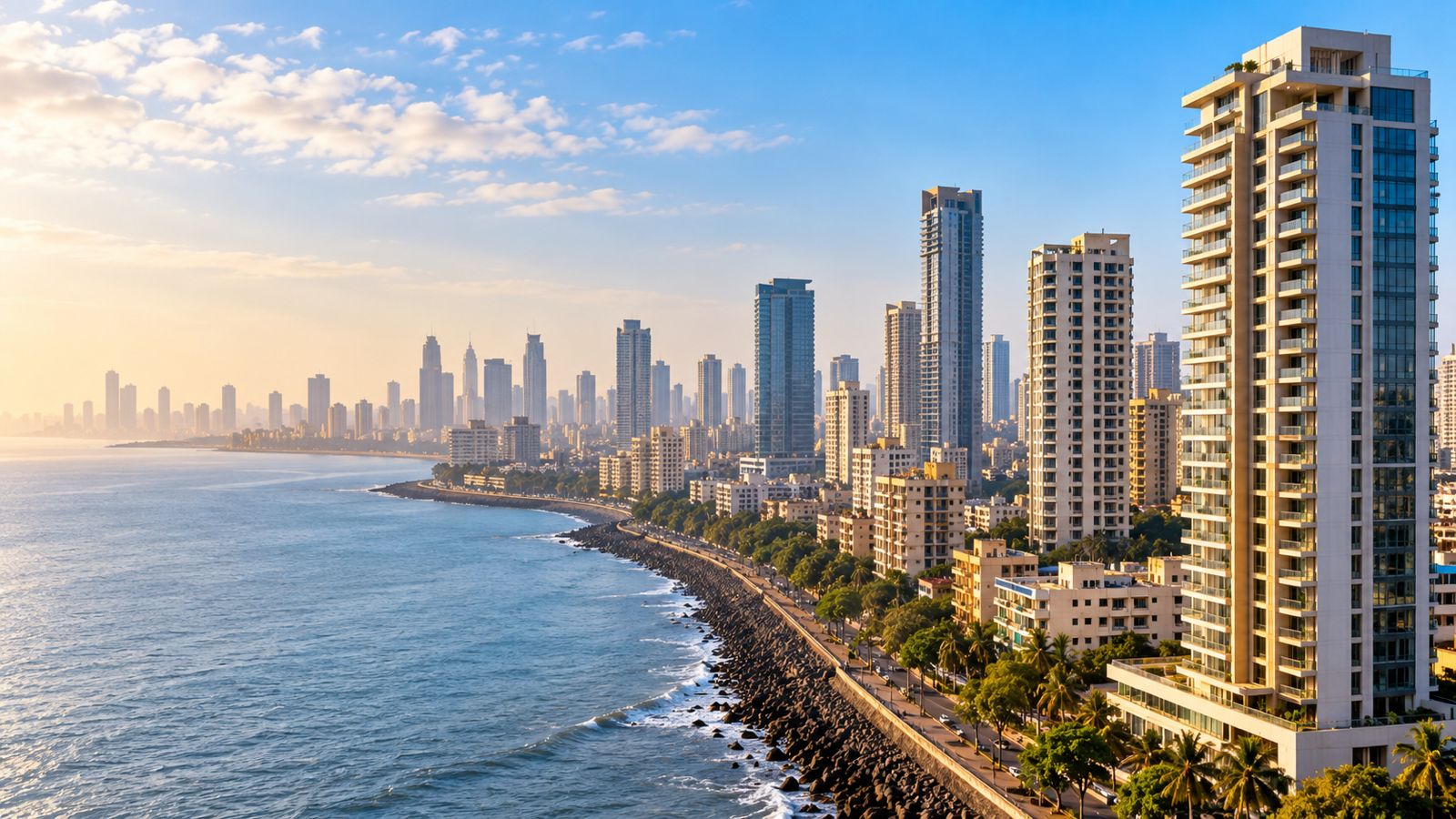
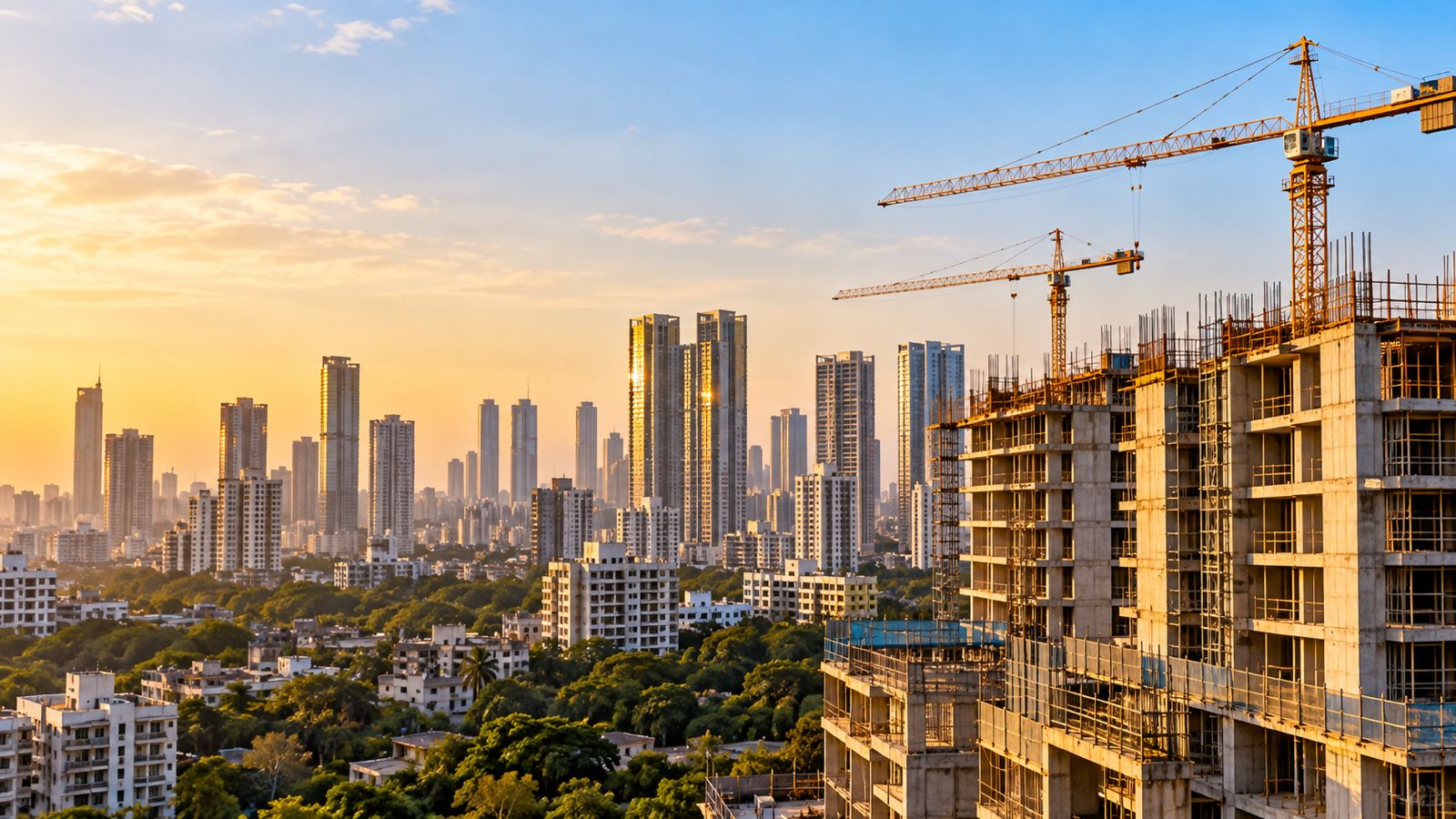
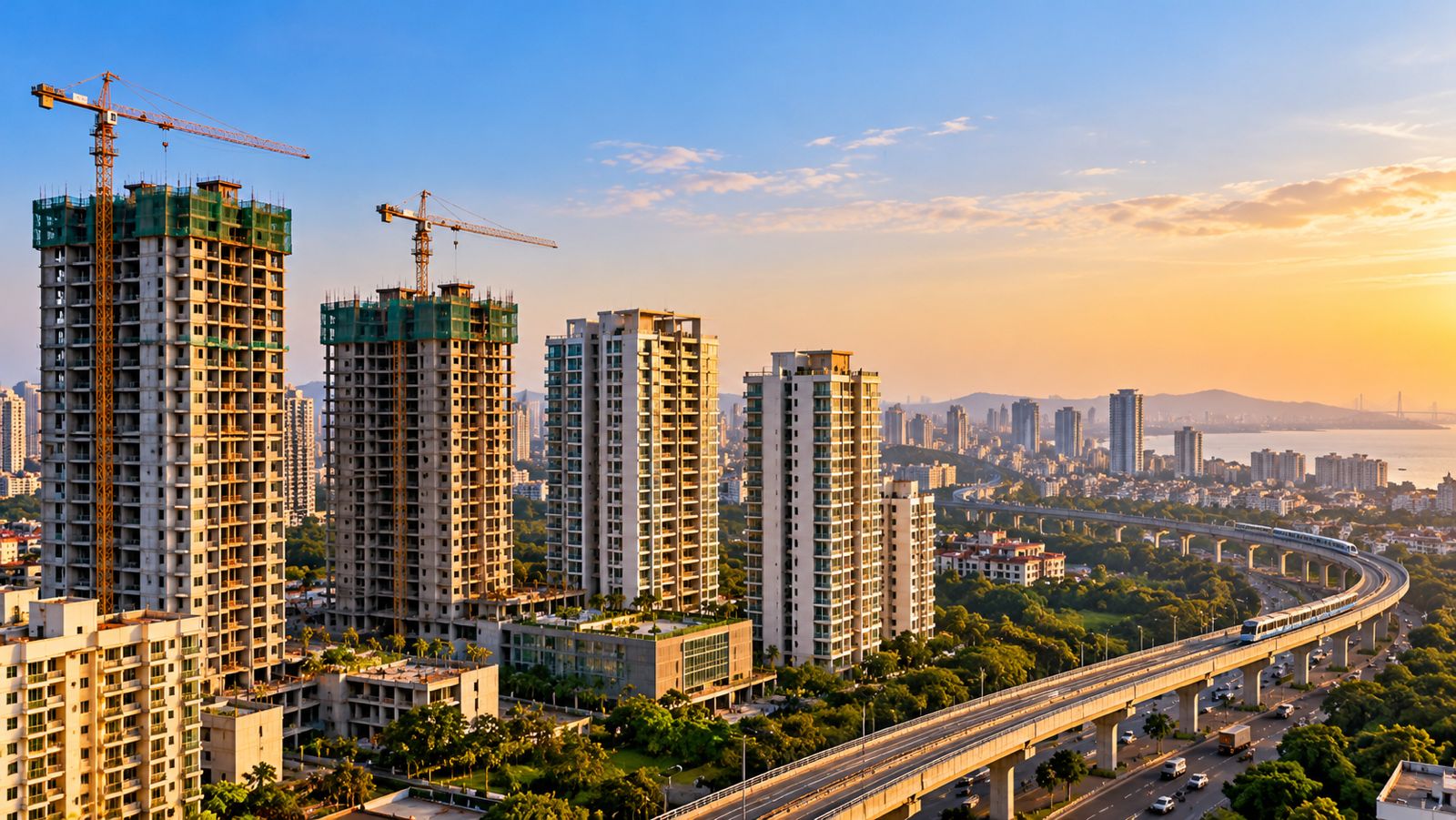
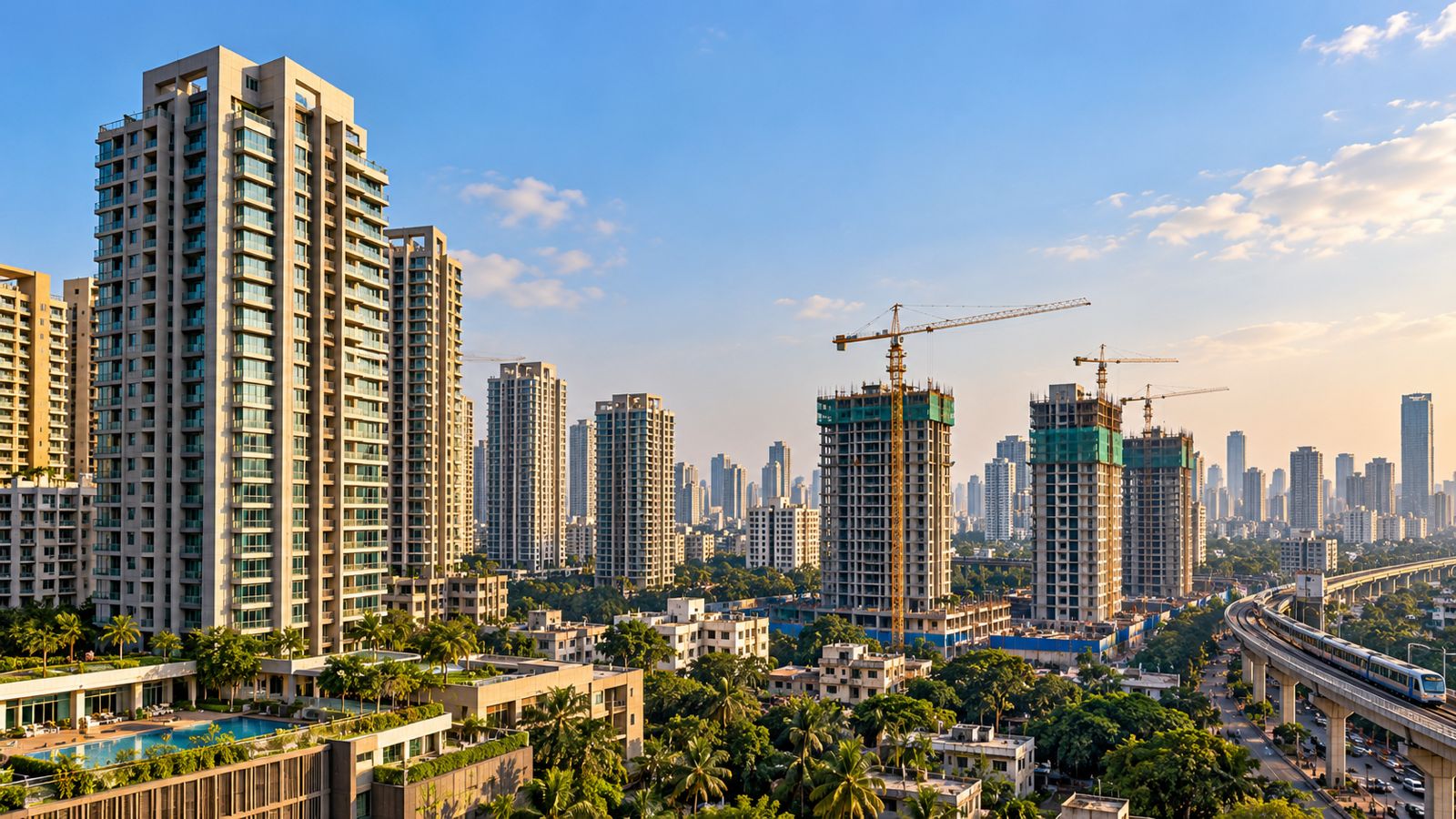
Developers of sea-facing projects across Mumbai are reworking their plans after the Slum Rehabilitation Authority revised the way permissions are granted for schemes falling inside coastal regulation zone belts. The change effectively reduces the construction area available on affected plots, and several projects that were at the drawing-board or approval stage are now being redesigned. For a Mumbai buyer, this matters because it touches the supply of exactly the kind of sea-facing inventory the city treats as scarce — and it will shape what gets built, at what density, and at what price over the next few years.
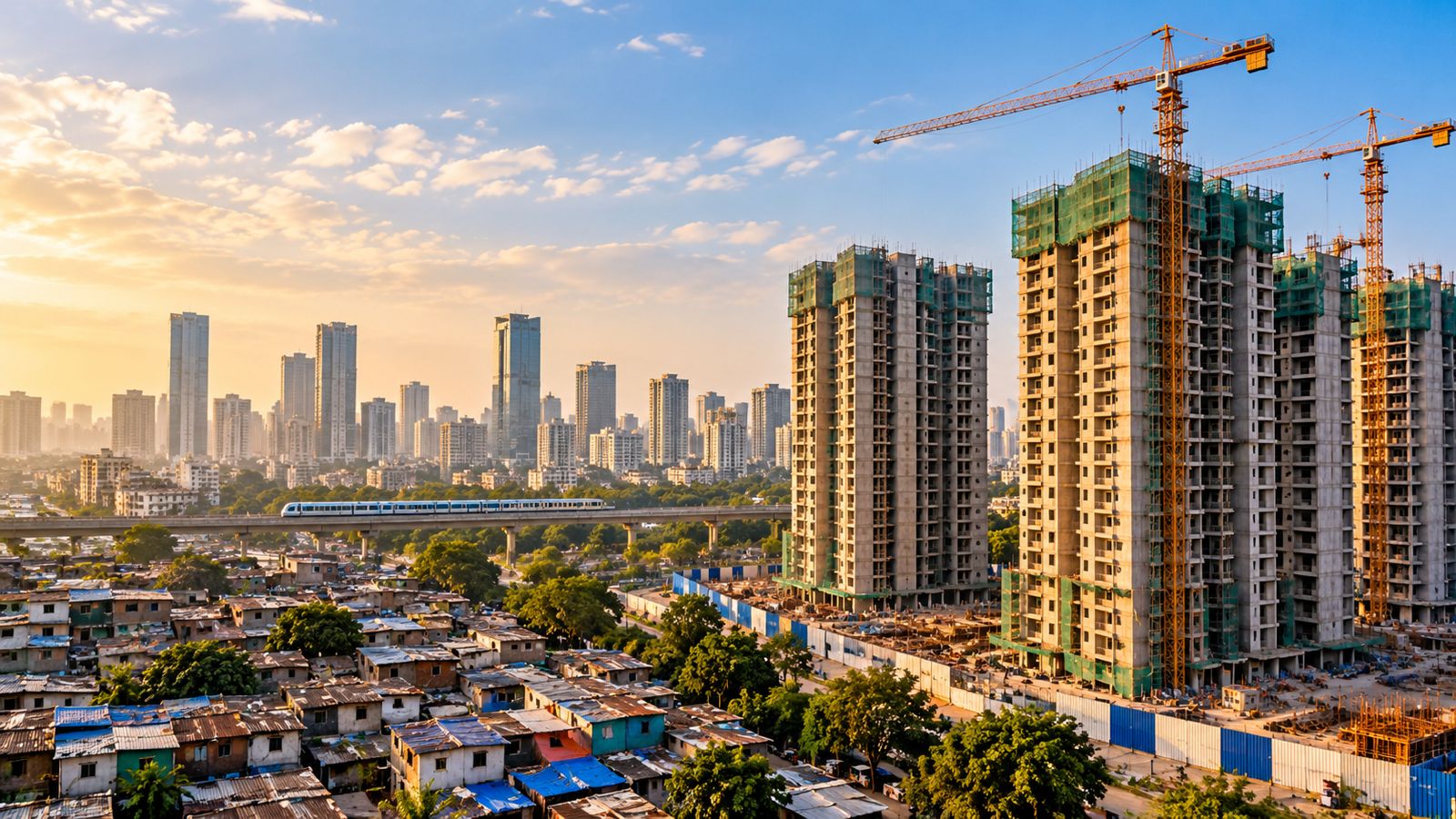
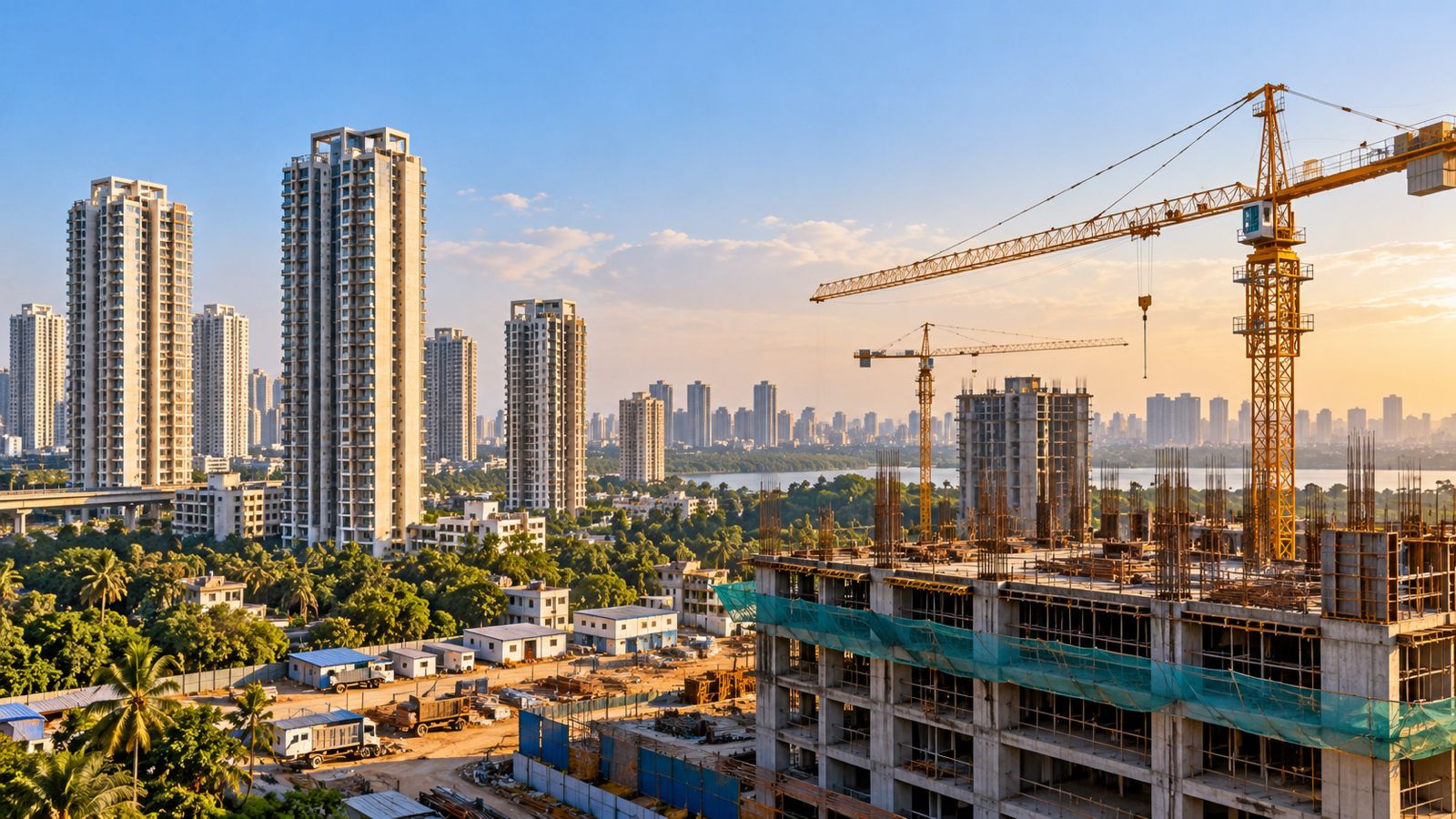
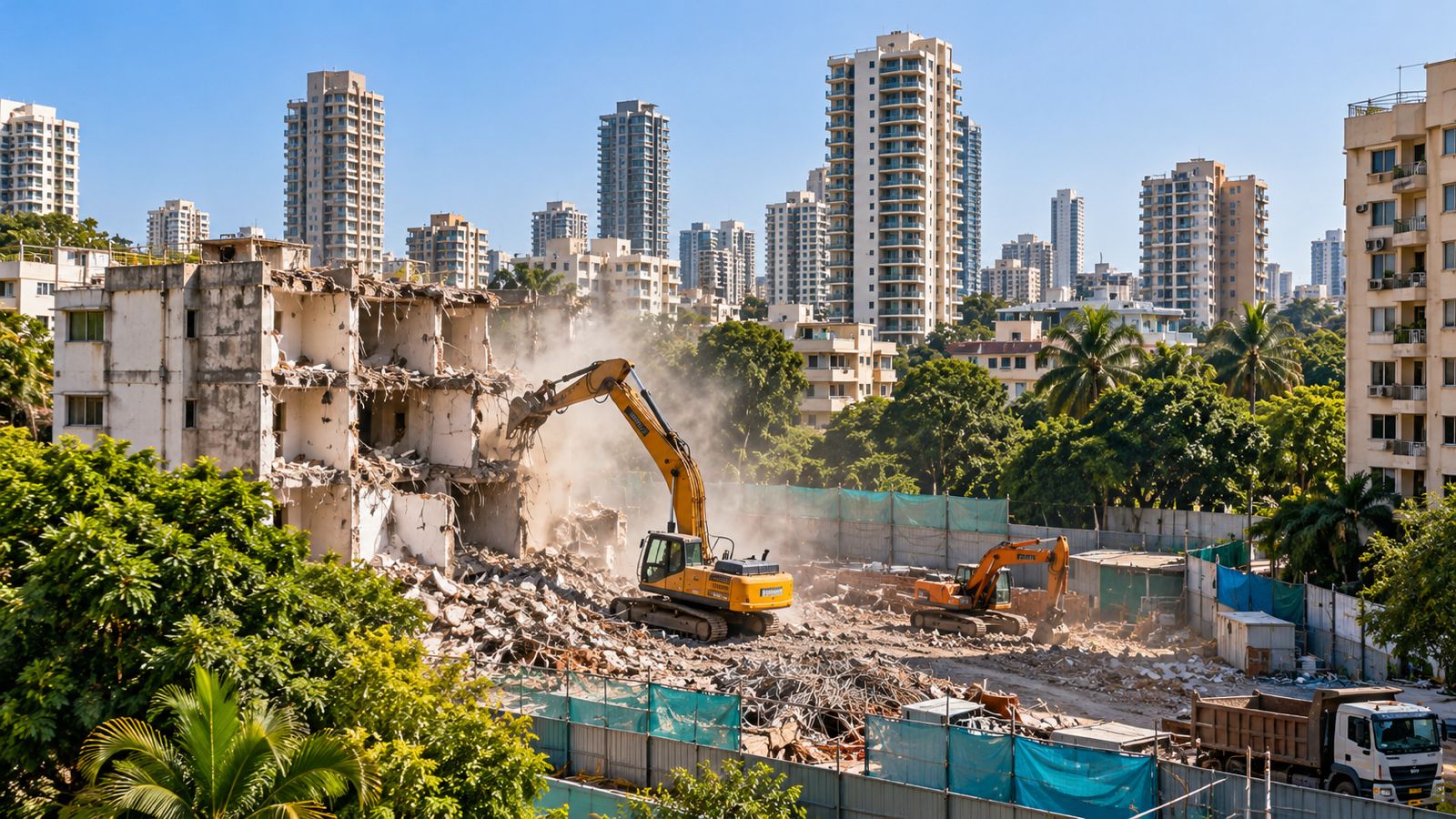
The trigger is the interface between slum rehabilitation approvals and coastal rules. Where a scheme sits in a CRZ belt, the buildable envelope is already constrained by coastal norms; the revised permission framework tightens how much of the rehabilitation and free-sale component can be fitted into that envelope. In practice, developers who had assumed a certain saleable area are finding that the approved constructible area is smaller than planned. That has knock-on effects on unit mix, tower heights, and the economics of the project — and in some cases on the timeline to launch.
Sea-facing land in Mumbai has always carried a premium precisely because the coastal belt limits what can be built on it. Any tightening of permissions reinforces that scarcity, but it also raises the cost per square foot of what does get approved, because the same land and approval cost is spread over fewer saleable square feet. Expect developers to respond by reworking layouts toward larger, higher-value units where the market supports it, and by being more careful about what they pre-commit to buyers before approvals are final. Buyers should read approved plans, not brochures, on any project in or near the coastal belt.
For the wider market, the signal is that Mumbai's sea-facing supply pipeline will stay thin and approval-sensitive. That supports prices in established sea-facing pockets, but it also means delays and redesigns are a real risk on projects still in the approval queue. Investors should weigh approval certainty as heavily as location on any CRZ-adjacent scheme.
Sandeep's take: This is a supply story dressed up as a permissions story. Mumbai's sea-facing stock is finite and the rules around it are only getting tighter, so I would treat any CRZ-adjacent project without final approvals as a wait-and-see, not a buy-now. Where approvals are in hand and the layout is locked, the scarcity argument holds and holds well. Where they are not, the buyer is underwriting the developer's redesign risk.
What to watch next: Watch how many CRZ-adjacent SRA schemes come back for revised approvals over the next two to three quarters, and whether MahaRERA filings show launch dates slipping on sea-facing projects in the western and harbour corridors.
Looking to buy or rent in Mumbai?
Talk to a Mumbai property advisory and data platform operating since 1995. Availability is reconfirmed before visits.
More Property News


💬 Comments