
Why Mumbai's Mill Lands Still Hold the Key to Affordable Housing
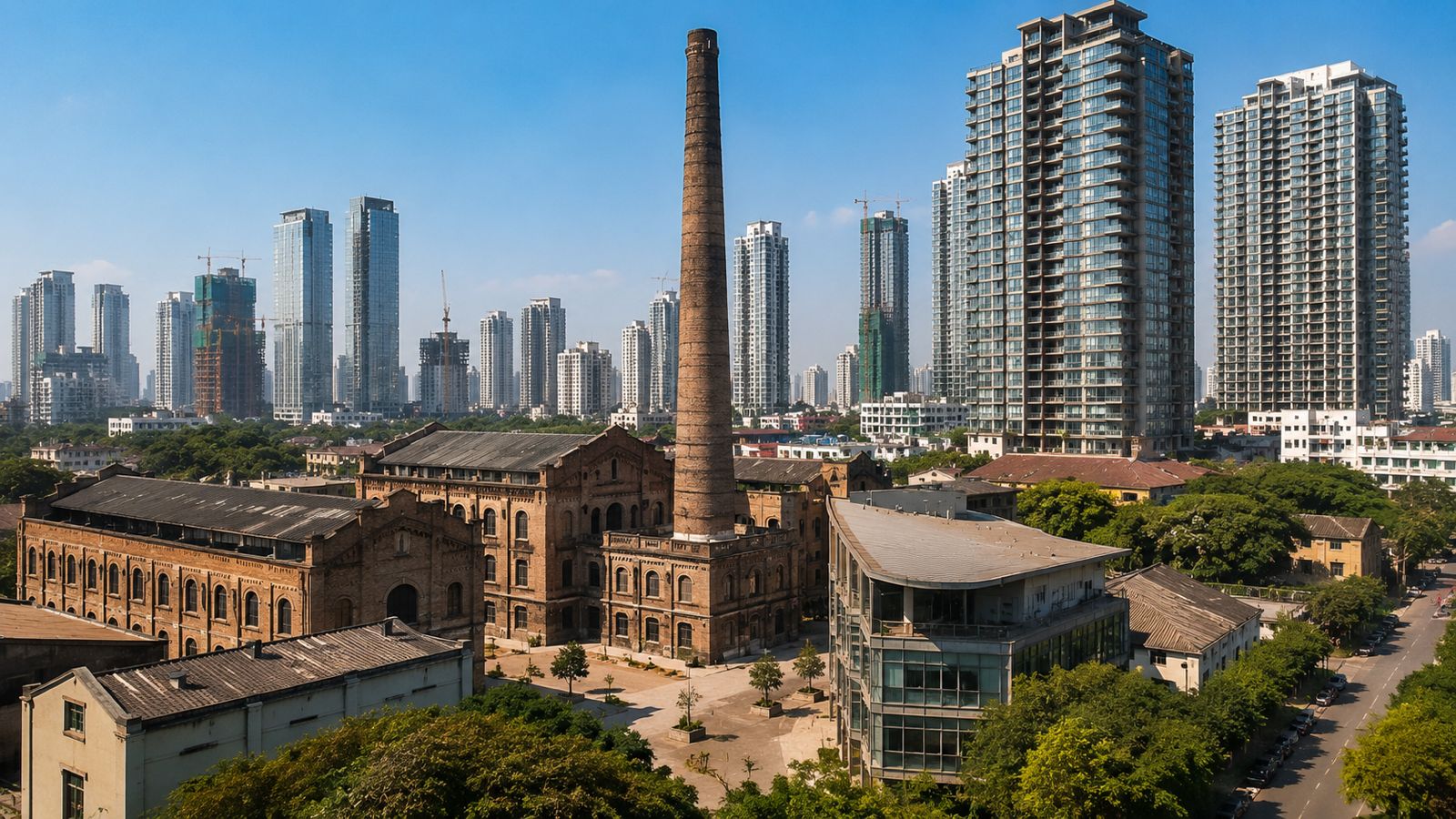
For many Mumbaikars, the mill workers' housing scheme is viewed as a government initiative that periodically announces housing allotments for eligible beneficiaries. However, the scheme represents something far bigger than a housing lottery.
It reflects Mumbai's decades-long effort to balance rapid urban redevelopment with its social responsibility towards the thousands of textile workers whose labour built the city's industrial economy.
The latest discussions surrounding the scheme once again highlight a larger question that remains relevant today: Can Mumbai successfully redevelop itself while ensuring that the people who helped build the city are not left behind?
Mumbai's Textile Mills Built the Foundation of Modern Mumbai
Before Mumbai became India's financial capital, it was India's textile capital.
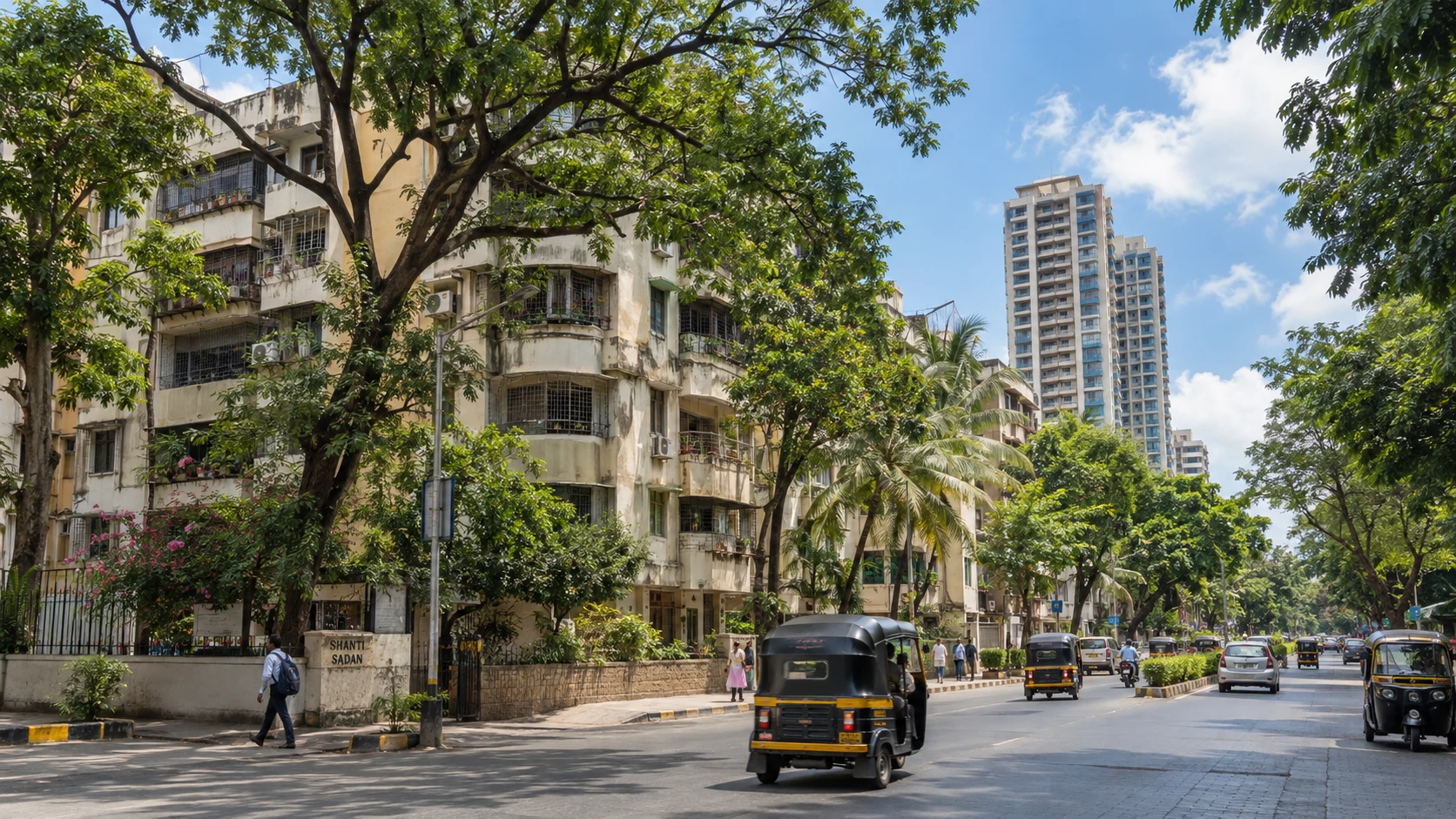
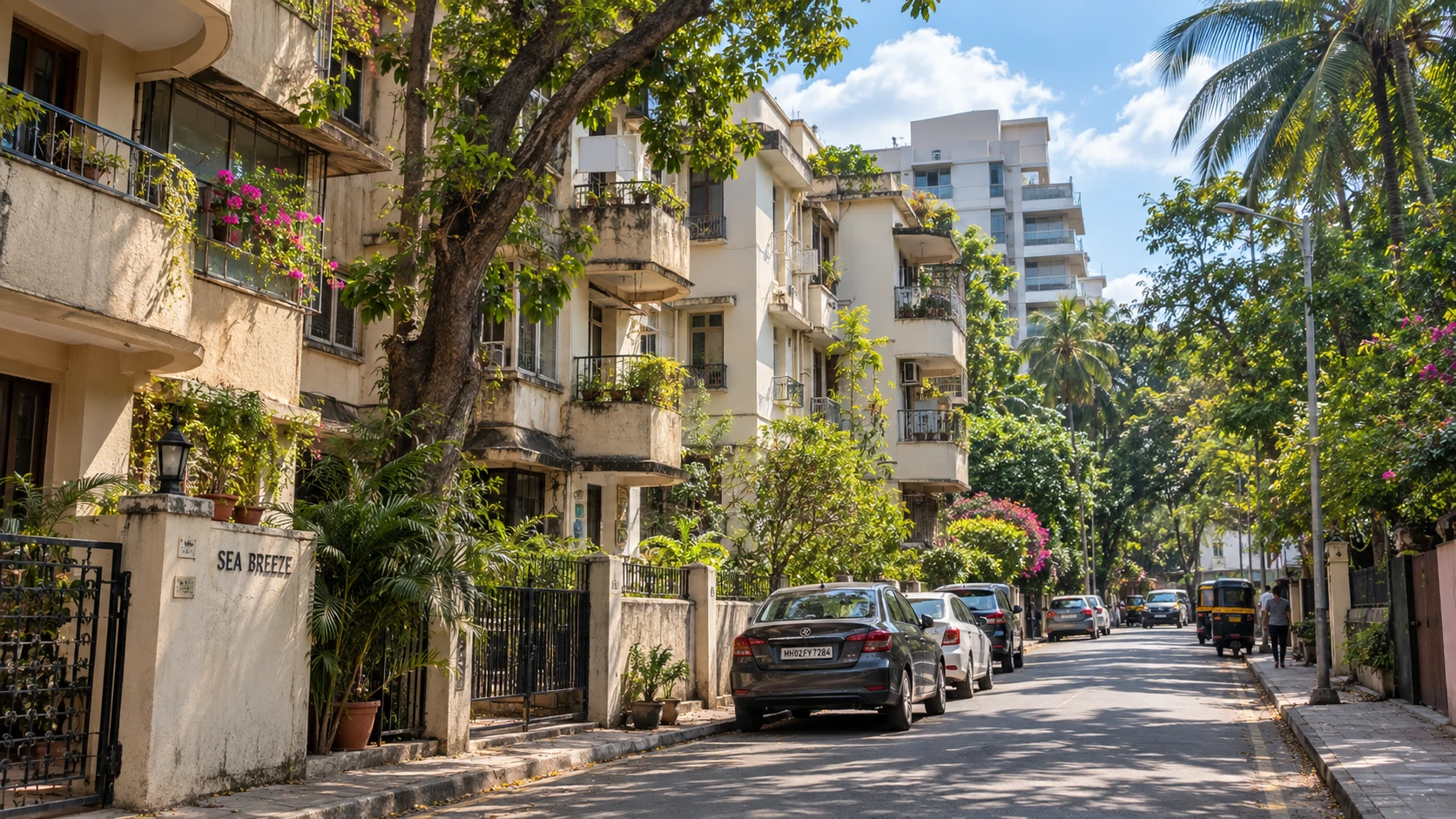
Neighbourhoods such as Lower Parel, Lalbaug, Byculla, Worli, Currey Road and Prabhadevi grew around the city's thriving textile mills. Thousands of workers migrated to Mumbai, creating communities that became the backbone of the city's industrial growth.
However, the decline of the textile industry following the historic mill closures fundamentally changed Mumbai's urban landscape.
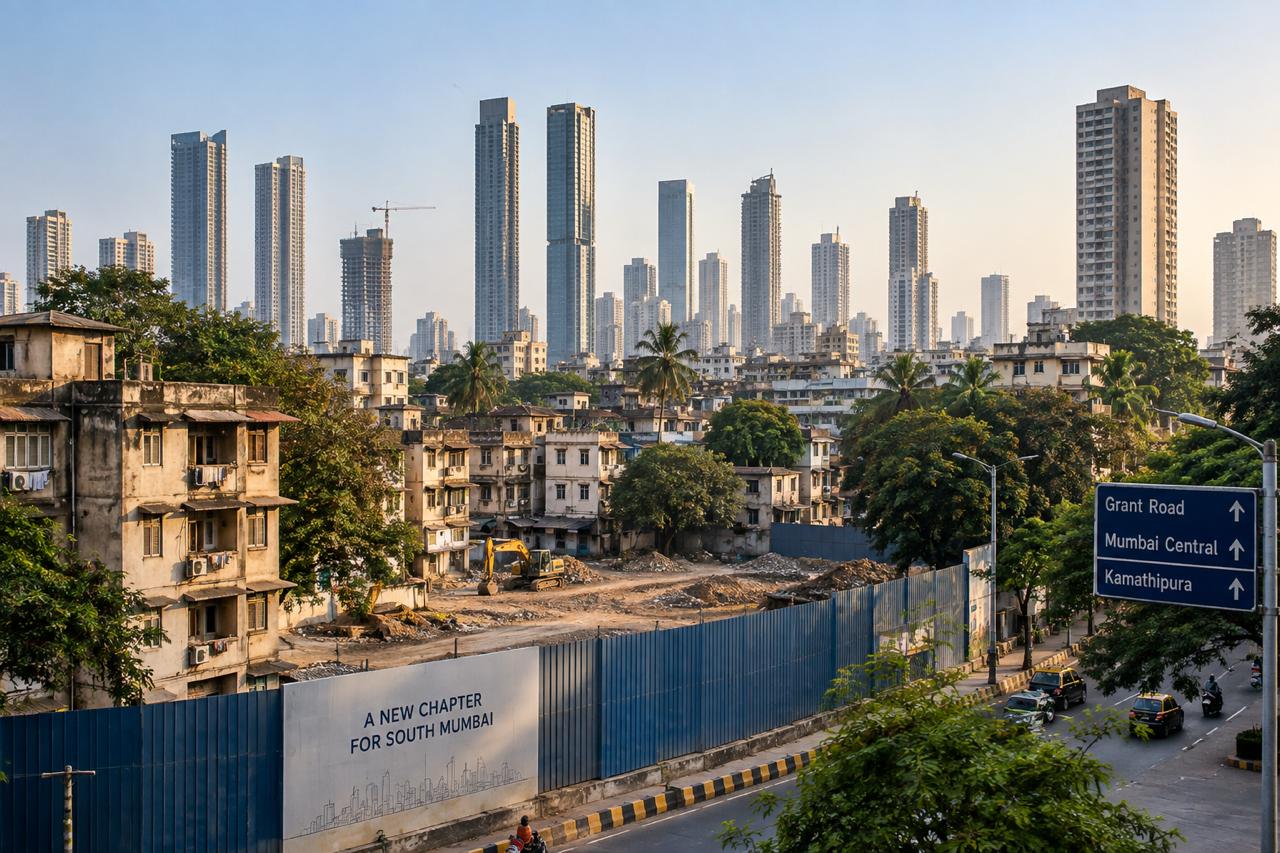
As industries disappeared, vast mill lands became available for redevelopment, creating one of the largest urban transformation opportunities in India's real estate history.
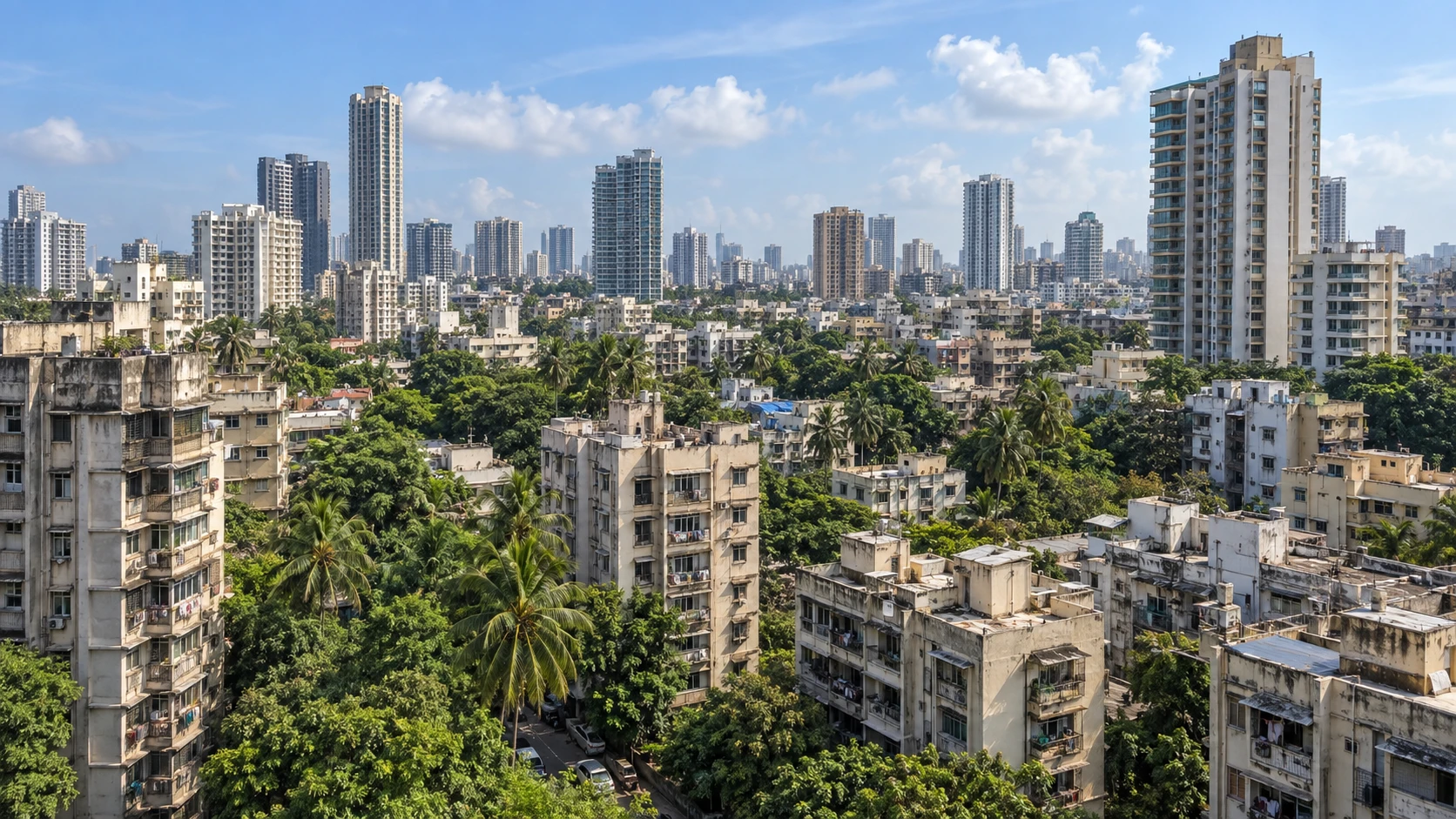
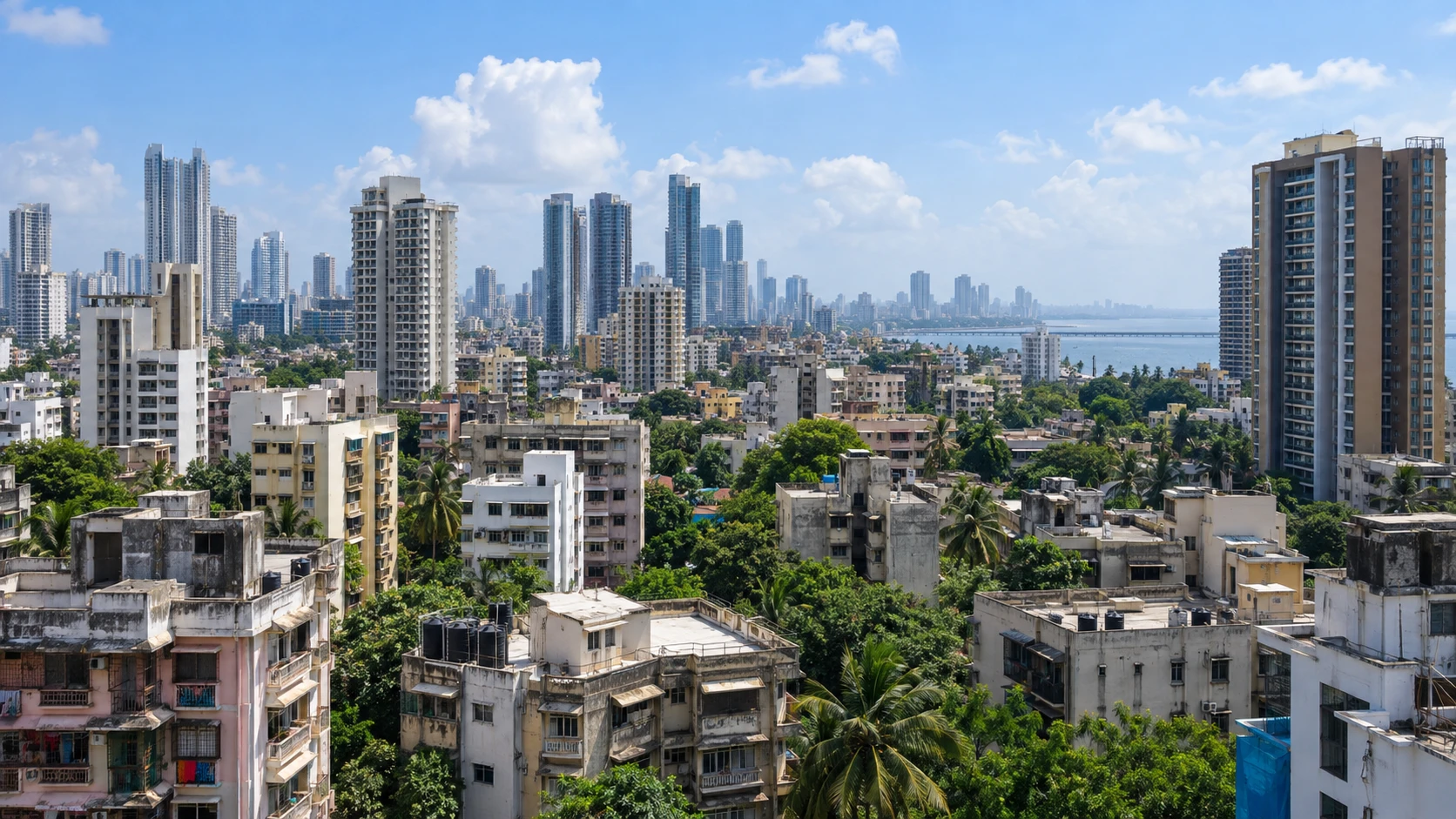
From Textile Mills to Luxury Skylines
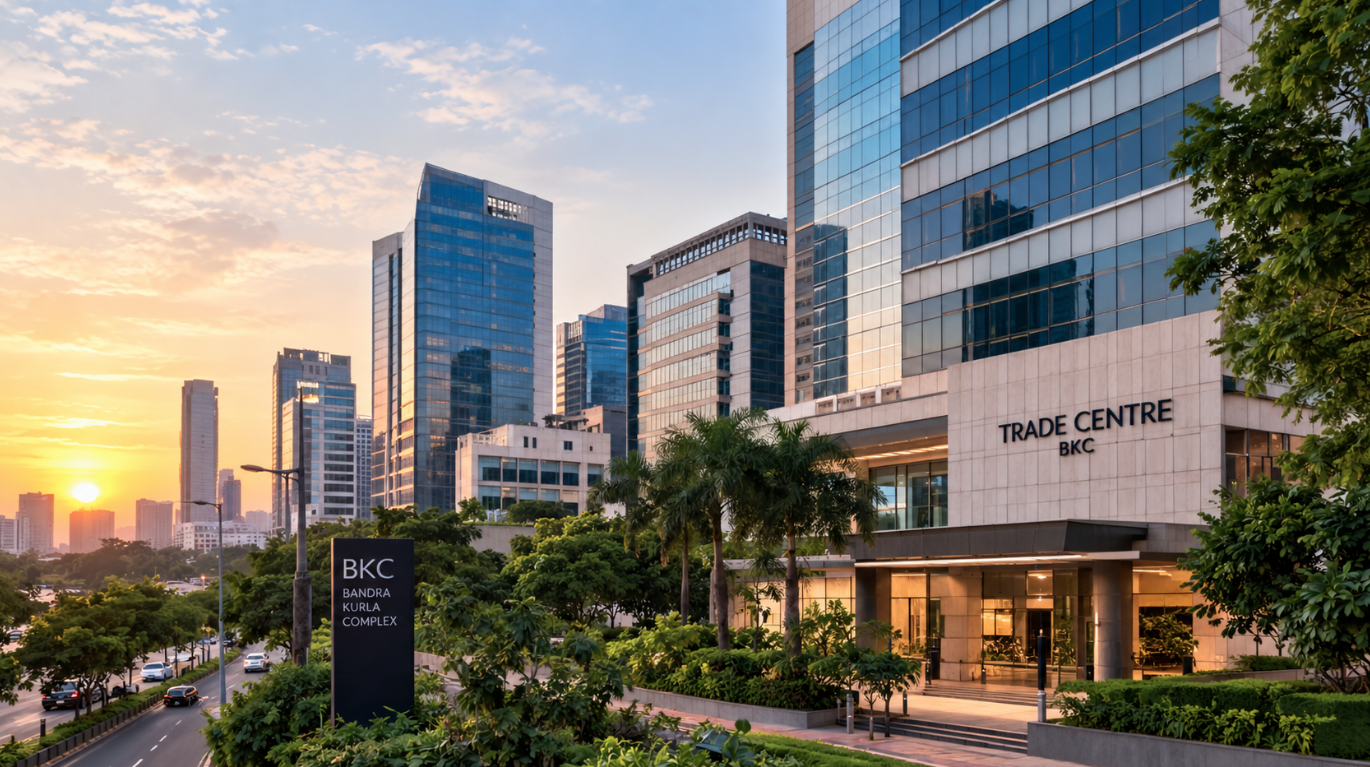
Over the past two decades, many former mill lands have been transformed into premium residential towers, Grade A commercial developments, luxury hotels, shopping destinations and mixed-use projects.
Areas that once housed factory chimneys are today among Mumbai's most valuable real estate markets.
Lower Parel has evolved into one of India's leading commercial and luxury residential destinations. Worli has become a premium waterfront market, while neighbouring micro-markets have benefited from extensive redevelopment and commercial investment.
This transformation has created enormous economic value for the city.
However, it has also kept alive an important question—how can redevelopment remain inclusive while creating wealth?
The mill workers' housing scheme is one of the city's answers to that question.
Affordable Housing Remains Central to Redevelopment
The significance of the housing scheme extends far beyond providing homes to eligible beneficiaries.
It represents an important principle that continues to shape redevelopment across Mumbai—that urban renewal should not focus solely on creating premium real estate but should also protect the interests of original residents and workers.
This philosophy can also be seen in today's redevelopment ecosystem.
Whether it is cooperative housing society redevelopment, MHADA projects, SRA developments or large-scale urban renewal initiatives, rehabilitation remains an integral part of redevelopment planning.
The mill workers' housing programme demonstrates that successful redevelopment is not only measured by taller buildings but also by how effectively it balances economic growth with social responsibility.
Infrastructure Has Increased the Value of Former Mill Districts
The redevelopment of Central Mumbai has coincided with some of the city's biggest infrastructure upgrades.
The Mumbai Coastal Road, expanding Metro network, Eastern Freeway improvements, road connectivity projects and improved public transport have significantly enhanced accessibility across former industrial districts.
Neighbourhoods that once revolved around textile production are now among Mumbai's most connected locations.
Improved connectivity has increased demand from homebuyers, businesses and investors, further strengthening property values across these redevelopment corridors.
The value of former mill lands today is therefore not driven only by redevelopment, but also by the infrastructure ecosystem that now supports these locations.
Lessons for Mumbai's Future Redevelopment Projects
The mill workers' housing scheme offers valuable lessons for the next generation of redevelopment projects across Mumbai.
Major initiatives such as Dharavi Redevelopment, MHADA colony redevelopment, BDD Chawl redevelopment and ageing cooperative housing society projects will all face a similar challenge—balancing commercial viability with rehabilitation.
Developers, policymakers and housing authorities are increasingly recognising that redevelopment cannot succeed through financial returns alone.
Long-term success depends on creating projects that improve urban infrastructure while ensuring existing communities also benefit from redevelopment.
As Mumbai continues to modernise, this balance will become increasingly important.
What This Means for Buyers and Investors
For homebuyers and investors, the transformation of Mumbai's mill lands demonstrates how infrastructure, redevelopment and long-term planning can completely redefine a neighbourhood.
Locations that were once industrial zones have evolved into premium residential and commercial destinations because redevelopment was supported by sustained public investment in connectivity and urban infrastructure.
The lesson for investors is clear.
Future capital appreciation is likely to be strongest in micro-markets where redevelopment is supported by infrastructure expansion, policy support and sustained demand rather than speculative land acquisition alone.
Understanding this relationship will become increasingly important as Mumbai enters its next phase of urban redevelopment.
Mumbai's Redevelopment Story Is Still Being Written
The mill workers' housing scheme is not simply about housing eligibility.
It represents one chapter in Mumbai's larger redevelopment journey.
The city's future will not be shaped only by luxury towers or commercial districts, but by how successfully it integrates redevelopment, infrastructure, affordable housing and inclusive urban planning.
The transformation of Mumbai's mill lands has already changed the city's skyline.
The challenge now is ensuring that future redevelopment creates value not only for developers and investors, but also for the communities whose history made that transformation possible.
Expert View by Sandeep Sadh
"The mill workers' housing scheme is a reminder that redevelopment is not just a real estate exercise—it is a social and economic responsibility. Mumbai's former mill districts demonstrate how infrastructure, redevelopment and policy can transform entire neighbourhoods. As the city moves towards large-scale redevelopment of housing societies, MHADA colonies and other urban precincts, the focus must remain on creating balanced projects that generate long-term value while protecting the interests of existing communities. Sustainable redevelopment is ultimately measured not only by the skyline it creates, but by the lives it improves."
— Sandeep Sadh
Founder, Mumbai Property Exchange | Real Estate Advisor & Market Analyst
Looking to buy or rent in Mumbai?
Talk to a Mumbai property advisory and data platform operating since 1995. Availability is reconfirmed before visits.
Related news
- A Dadar development-rights deal marks a new phase in Mumbai's redevelopment · 26 Jun 2026
- Mumbai Homes Above ₹10 Crore Rise 12% · 31 Jul 2026
- Mumbai ₹10 Crore Plus Home Sales Hit ₹18,512 Crore · 31 Jul 2026
- Preity Zinta rents a flat in Pali Hill · 18 Jun 2026
- Lower Parel emerges as a hotspot with strong developer interest · 23 Apr 2026
- Raymond Realty eyes a new luxury segment in BKC · 26 Nov 2025
More Property News
💬 Comments