
3169 Dharavi Trees Face Clearance Decision
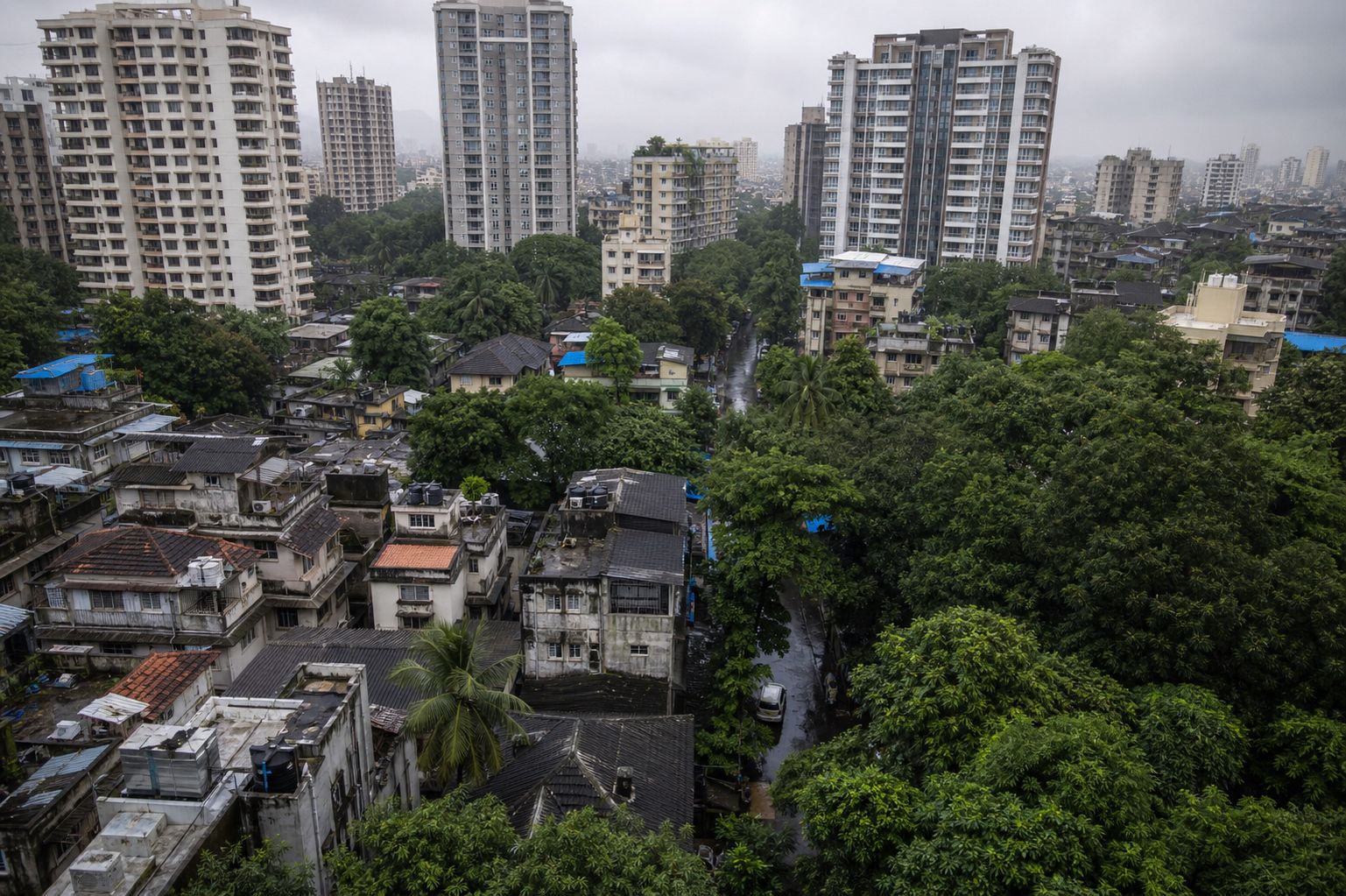
The decision on 3,169 trees connected to Dharavi redevelopment is not simply a clearance issue. It is a test of how a large urban renewal project manages its environmental cost while pursuing better housing, infrastructure and public services.
Dharavi’s redevelopment requires roads, utility corridors, transit access and new construction. These works need land and clear access, but mature trees also perform a daily urban function: they reduce heat, absorb rainwater, improve air quality and soften the impact of dense development. Removing them without a credible replacement strategy can make the completed neighbourhood less liveable, even if the buildings are new.
For homebuyers and future residents, the important question is not whether development should proceed. It is whether the project includes measurable environmental safeguards. These should cover tree transplantation where possible, compensatory planting in usable locations, survival monitoring, drainage design and adequate open space within the redevelopment plan.
Mumbai’s monsoon makes this especially relevant. Trees and open soil help manage water flow in dense areas. Replacing mature canopy with small saplings may meet a numerical requirement, but it does not immediately restore shade, cooling or stormwater benefits.
Key takeaway: Dharavi’s redevelopment will be judged not only by new homes delivered, but also by whether the new neighbourhood remains green, cooler and resilient in the monsoon.
Looking to buy or rent in Mumbai?
Talk to a Mumbai property advisory and data platform operating since 1995. Availability is reconfirmed before visits.
More Property News
💬 Comments