
BMC mulls flat-wise monthly waste processing charge in Mumbai
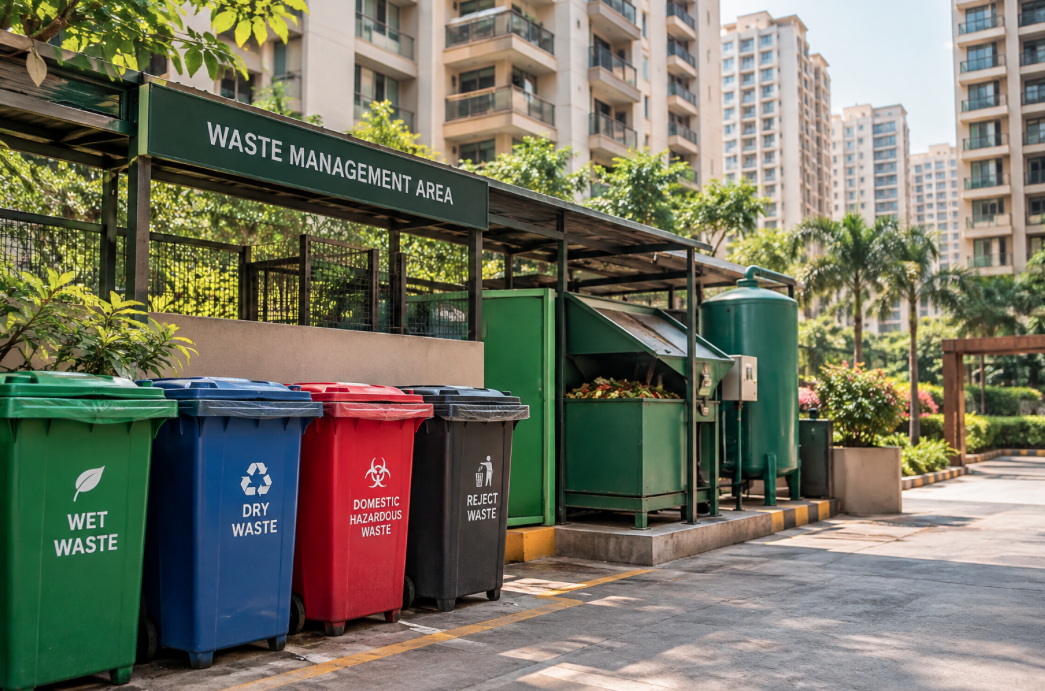
Mumbai's municipal corporation is examining a proposal to levy a flat-wise monthly processing charge on residential bulk waste generators — broadly, housing societies and large residential complexes that generate waste above the threshold set under the solid waste management rules. The idea is simple: if a society does not process its own wet waste on-site, the city will charge it for handling that waste, computed per flat, every month. For anyone who owns or is buying an apartment in Mumbai, this matters because it converts waste management from a one-time infrastructure question into a recurring monthly cost on the society's maintenance ledger.
The direction of travel has been visible for a while. Bulk generators are already expected to segregate and compost or otherwise process their biodegradable waste within their own premises. Many Mumbai societies have complied — some with in-vessel composters, some with bio-methanation units, some with simple decentralised pits. Many others have not, and their unsegregated waste still lands at the city's overburdened collection and dumping system. A processing charge is the civic body's way of pricing that gap. It is not a penalty as much as a user fee: if the city does the processing, the generator pays for it.
What is still open is the quantum, the exemption criteria, and how the charge will be recovered — whether through property tax, water bills, or directly from the society. Societies that already process waste on-site are likely to argue for exemption or a rebate, and that argument is reasonable. The bigger question is the threshold: smaller buildings, older societies with no space for a composting unit, and redevelopment-era buildings with limited footprints will all want clarity on where the line is drawn.
For buyers, the practical effect is a small but permanent addition to monthly outgo. A few hundred rupees per flat per month is not a deal-breaker, but it does change the arithmetic for societies that have been deferring waste infrastructure. For developers, it strengthens the case for designing waste processing into new projects from the start — a dedicated wet-waste area, ventilation, and plumbing for leachate — rather than retrofitting later.
Sandeep's take: This is the right direction, and Mumbai societies should read it as a signal rather than a tax. The city cannot keep collecting mixed waste from thousands of large buildings and processing it for free. Societies that invest in on-site composting now will likely pay less over the life of the asset, and they will also find it easier to market themselves to buyers who care about running costs. The ones that wait will simply get a new monthly line item and a civic notice. If you are on a society committee, start the conversation on waste infrastructure this year — not when the bill arrives.
What to watch next: The final charge per flat, the exemption rules for societies already processing waste on-site, and whether the levy is routed through property tax or society-level billing — each of these will decide how quickly Mumbai's bulk generators actually change behaviour.
Looking to buy or rent in Mumbai?
Talk to a Mumbai property advisory and data platform operating since 1995. Availability is reconfirmed before visits.
More Property News
💬 Comments