
BMC Begins Fresh Sea-Level Risk Assessment for Mumbai
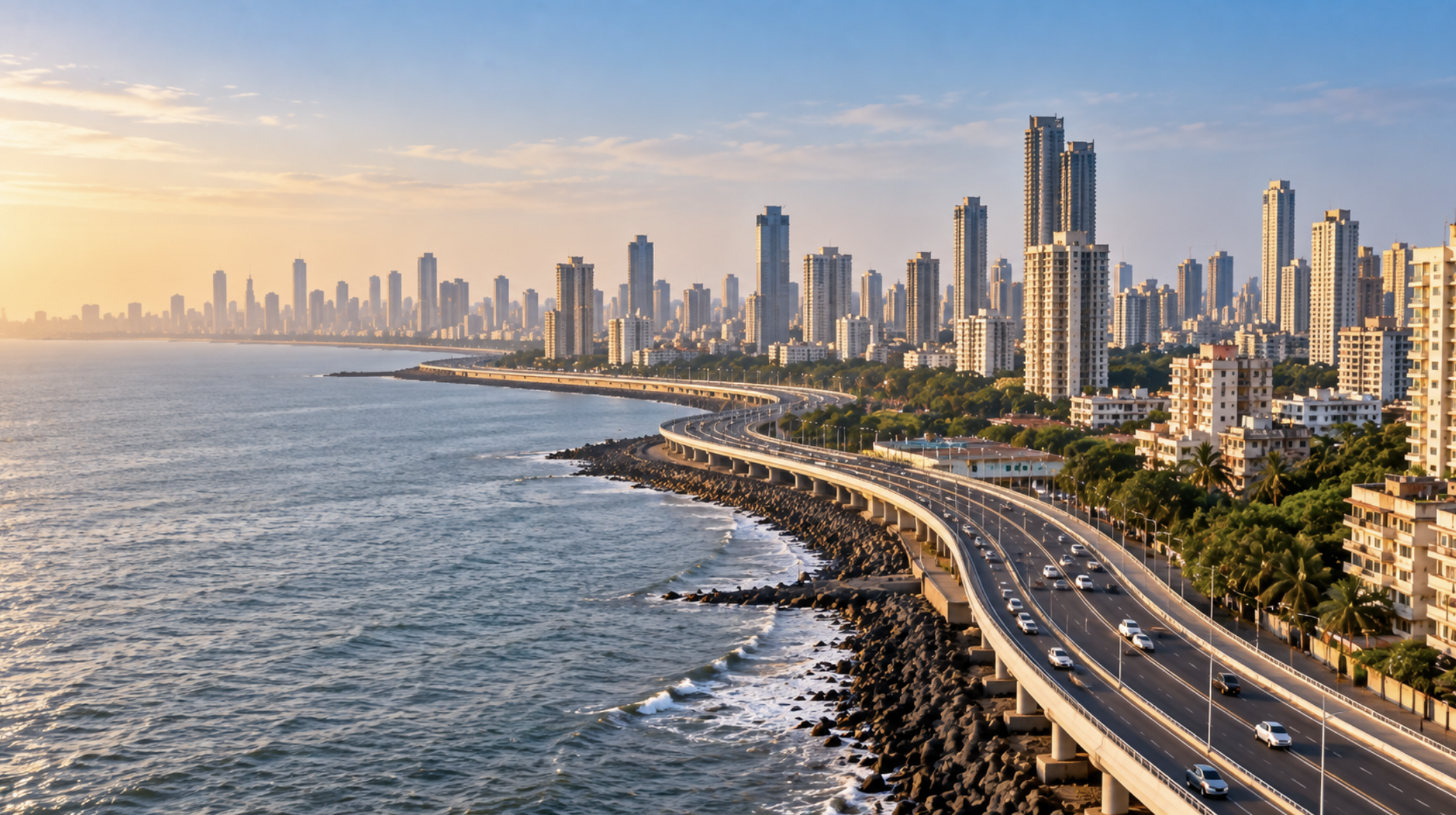
Mumbai's Coastline to Undergo Fresh Risk Assessment
The Brihanmumbai Municipal Corporation has commissioned a fresh assessment of Mumbai's vulnerability to rising sea levels, as major infrastructure projects and changing land-use patterns continue to reshape the city's coastline.
The study, currently underway, will examine vulnerable locations across Mumbai's 149-km coastline, identify inhabited areas exposed to risk and assess how climate patterns, development and land-use changes have altered the city's vulnerability.
The report is expected to be released in 2027.
Why BMC Is Conducting Another Study
This will be BMC's second such assessment in five years.
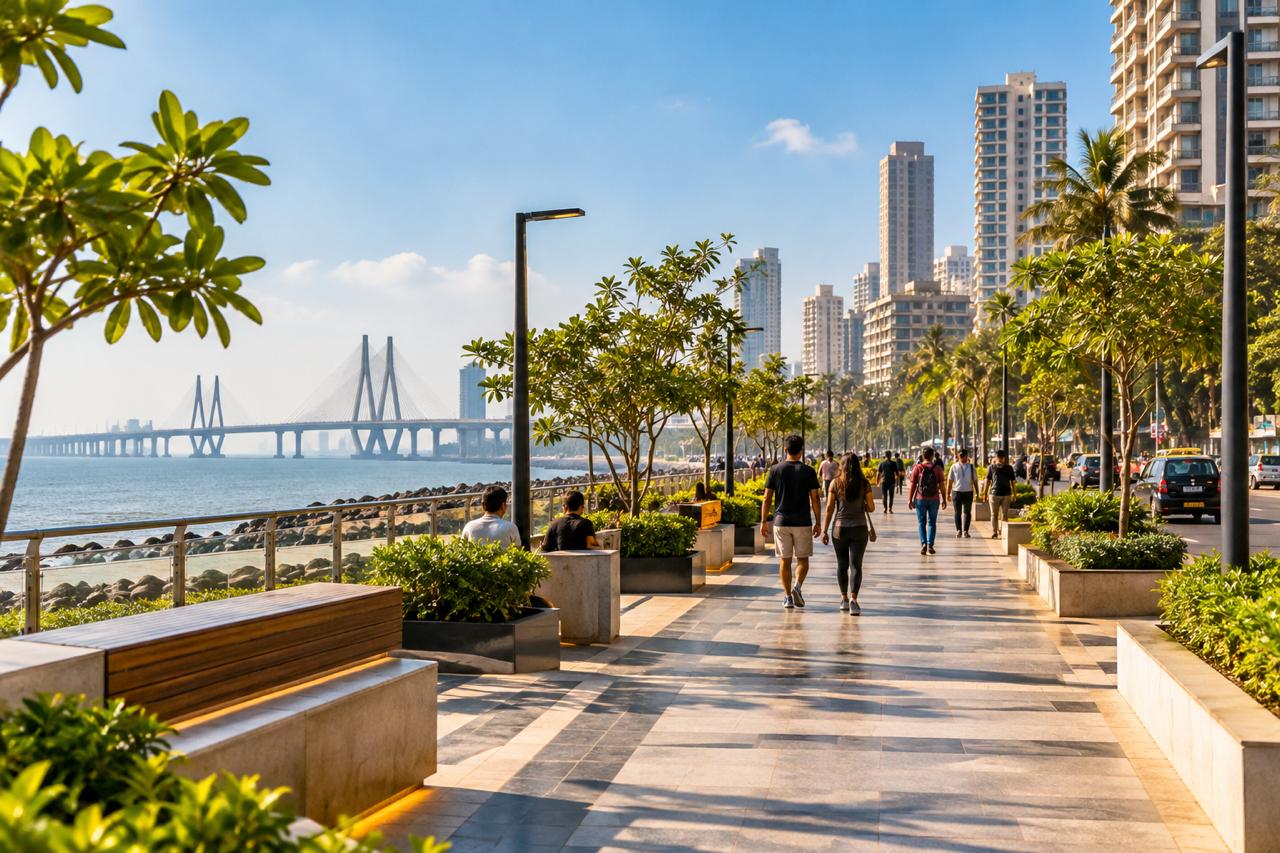
A major reason for the reassessment is the scale of physical transformation along Mumbai's coastline. The Mumbai Coastal Road has involved reclamation of more than 100 hectares of the Arabian Sea, while salt-pan lands on the eastern side of the city have also been identified for development.
These changes, combined with alterations in overall land use, have created the need for updated local-level risk mapping.
Sea Levels Expected to Continue Rising
The assessment comes after a recent United Nations report highlighted the growing threat from sea-level rise.
Global sea levels rose by a record 5.9 mm in 2024, while projections indicate a rise of at least 0.5 metre by 2100, even under aggressive emissions-reduction scenarios. A severe scenario involving instability of the West Antarctic ice sheet could push the increase significantly higher.
Mumbai's geography makes the issue particularly important for urban planning.
Coastal Development Will Be Examined
Unlike global studies, BMC's exercise will focus specifically on conditions within Mumbai.
It will examine local coastal vulnerabilities, estimate future sea-level rise and identify communities living near potentially affected stretches.
Mumbai's 2022 Climate Action Plan had already identified coastal flooding, loss of green cover, pollution and increasing urban heat among the city's major climate risks.
The fresh assessment could therefore become relevant to future infrastructure planning, coastal development and land-use decisions across Mumbai.
Sandeep Sadh’s Take:
For Mumbai real estate, climate resilience will increasingly have to become part of long-term planning. Infrastructure, redevelopment and new construction in coastal areas need to be evaluated alongside drainage, flood protection and changing sea levels.
Looking to buy or rent in Mumbai?
Talk to a Mumbai property advisory and data platform operating since 1995. Availability is reconfirmed before visits.
More Property News

💬 Comments