
Rent attack in Mumbai: why rents are up 27% since 2023

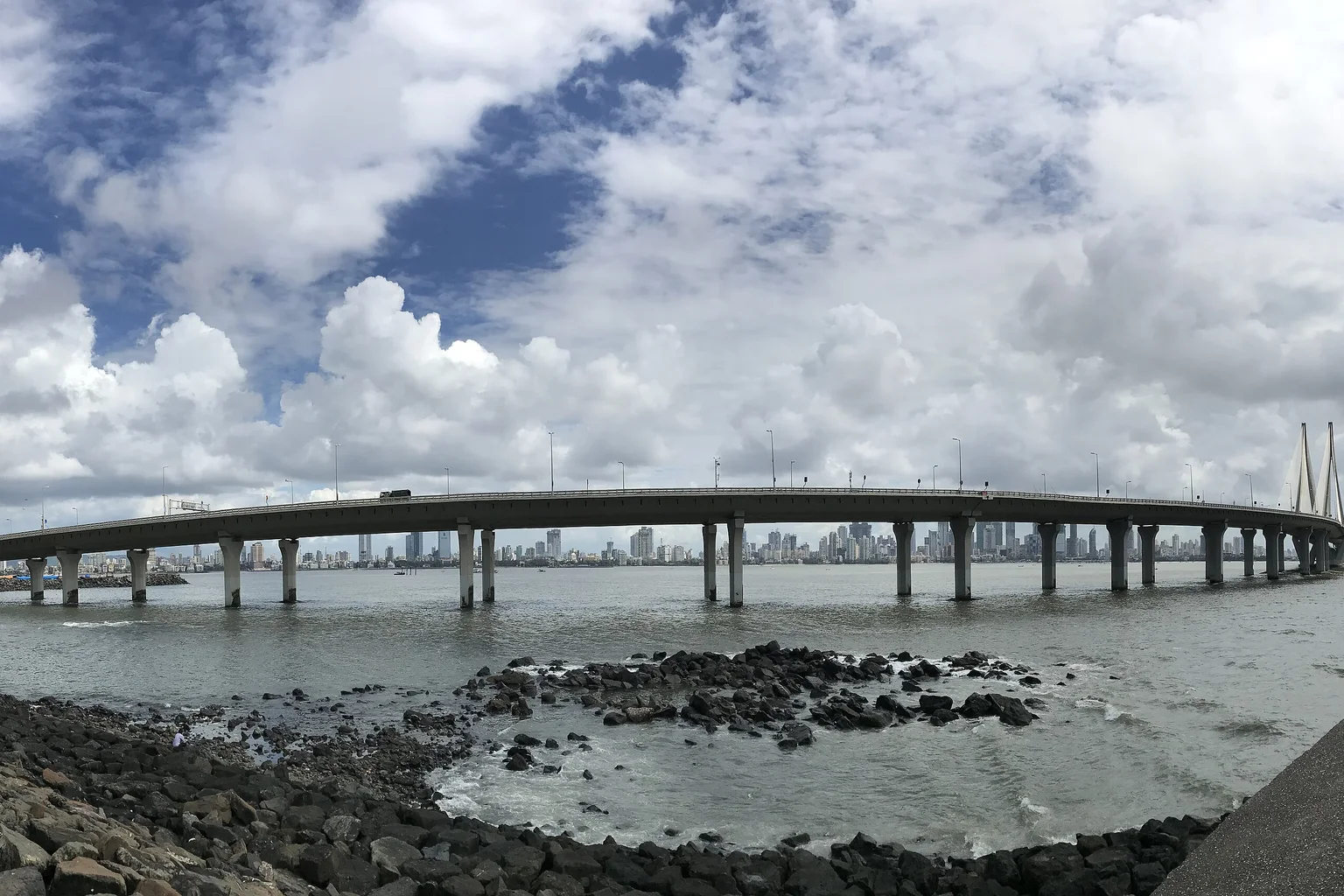
Mumbai has always been a city of expensive dreams. But increasingly, even the privilege of chasing those dreams comes with a hefty monthly bill.
Mumbai is changing fast. Old buildings are coming down, new towers are going up, and the metro is reaching new corners of the city. But one question keeps coming up at every dinner table: why have rents in Mumbai become so expensive?
The short answer: too many people want homes near work, and there are not enough homes to go around — at least for now.
How much have rents gone up?
We tracked more than 1,600 flats in our records — the same building, the same size — and compared their rent then and now. Since early 2023, rents have gone up by 27%. One-bedroom flats went up the most, by 34%.
So if you paid ₹50,000 a month in 2023, the same flat is now asking about ₹63,500.
Median monthly asking rents for 2-bedroom apartments, 2026
Source: Mumbai Property Exchange research, 2-bedroom rental listings January–November 2026. Asking rents, not completed leases.
A 2 BHK in Worli costs more than three times a 2 BHK in Goregaon West. You are not just paying for the flat. You are paying for being close to work, good schools and a good address.
The good news: the steep climb is slowing down. Over the last two years, rents in the same flats rose only about 9%.
Why is it so hard to find a flat?
Mumbai cannot spread out. It has the sea on three sides, and almost every piece of land is already built on. A new building takes four to five years to finish. So when more people want homes, the city cannot add flats quickly. It adds rent instead. In Mumbai, rent is the pressure valve.
And more people want homes near the big office areas — Worli, Lower Parel, Bandra, BKC, Andheri and Powai. That is exactly where our listings show the highest rents.
Expensive to rent, modest to own
Here is the paradox. A flat worth ₹3 crore may rent for ₹75,000 a month. That is ₹9 lakh a year — just 3% of the flat's price. After society charges and property tax, the owner earns even less. A bank fixed deposit pays more.
People in Mumbai buy homes because prices keep rising over time, not for the rent. So the rent jump is not simple greed. Property prices ran far ahead for years; rent is only now catching up.
Redevelopment: good later, painful now
When an old building goes for redevelopment, every family has to move out for three to five years. Most want to stay in the same area — near the same school, the same station, the same doctor.
So one building can send 40 to 60 families looking for a flat on rent in the same lane, in the same month. The builder usually pays their rent — often ₹50,000 to ₹1 lakh a month — so they do not bargain much. Whatever they pay soon becomes the rate for everyone else nearby.
And the old building's flats are gone from the market too. Fewer flats, more people looking: rents go up.
Does the new metro help?
Yes and no. The metro, Coastal Road and Atal Setu make it easier to live further away and still reach work. That helps areas like Thane and Navi Mumbai.
But when an area gets a new metro station, landlords there raise rents too. If you save ₹5,000 a month on travel but your rent goes up by ₹4,000, you have gained very little.
What it does to a family's budget
Someone earning ₹1 lakh a month and paying ₹40,000 in rent is already spending 40% of their salary on a roof. A 10% rent hike pushes that to 44%. That means less saving, a later home purchase, or a move further out with a longer commute.
Mumbai's most popular buildings on rent
Worli & Lower Parel
Lodha Park · Trump Tower · Indiabulls Blu · Indiabulls Sky Forest · Lodha World View
Prabhadevi, Parel & Mahalaxmi
Rustomjee Crown · L&T Crescent Bay · Lokhandwala Minerva · Piramal Mahalaxmi
Bandra, Khar & Santacruz
Rustomjee Paramount · Skyper Tower · Continental Tower · Ekam · Kukreja Sea Garden
Andheri West & Juhu
Oberoi Springs · Runwal Elegante · 72 West · Platinum Life · Kalpataru Solitaire
Powai & Andheri East
Hiranandani Gardens · L&T Emerald Isle · Lodha Bellagio · Oberoi Splendor · Kanakia Silicon Valley
Goregaon & Malad
Oberoi Exquisite · Oberoi Esquire · 34 Park Estate · Imperial Heights · Lodha Raj Infinia
Byculla & Thane
Monte South · Piramal Aranya · Kalpataru Immensa · Hiranandani Meadows
Moving to Mumbai? Your rent memory is out of date
This is where many people get caught. Families moving in from other cities, other countries and back home from abroad often carry the rents they remember from four or five years ago.
Take one of the city's larger premium apartment blocks, Oberoi Exquisite in Goregaon East. When it opened in 2015, flats there rented for about ₹80,000 a month. Today the average is close to ₹2.25 lakh. Someone who left Mumbai five years ago still thinks of it as a ₹1.5–1.6 lakh building — and lands to find the budget short by a third.
If your company is moving you here, sit with your HR team and agree a housing allowance based on today's rents, not old ones, before you sign the assignment. It is far easier to fix the number before you arrive than after.
Before you sign: five simple checks
1. Check today's rent, not the one you remember. Ask for three or four current listings in the building or lane you want.
2. Moving for work? Settle your housing allowance with HR on current rates before you accept the posting.
3. Already renting? Before you give notice on your current flat, look at what a similar home costs today. Staying put may be the better deal.
4. Renewing? Ask for a longer lease with a fixed yearly increase. It protects you from the next jump.
5. Owner letting out a flat? Price to today's market. A good tenant who stays is worth more than the last few thousand rupees.
Will rents come down?
Help is on the way. MahaRERA records show about 45,800 new homes due in Mumbai in 2026, jumping to 79,600 in 2027 and 63,900 in 2028. Many will be bought by investors who will put them on rent. And families from redevelopment buildings will move back into their new flats, freeing the ones they were renting.
Our view: Mumbai rents rarely fall — they pause. Expect a pause, not a crash. Bigger flats in the suburbs will ease first. Small 1 BHK flats and South and Central Mumbai will stay tight for longer.
The bottom line
Mumbai's rents are high because Mumbai is where the jobs and opportunities are. The same success that builds new towers also makes it harder to afford a home in them. The new homes coming in 2027 will be the first real test of whether that changes.
A city of opportunity only works if the people who keep it running can afford to live in it.
Mumbai rent: quick answers
How much have rents in Mumbai gone up?
In the same buildings and the same flat sizes, asking rents are up 27% since early 2023. One-bedroom flats rose the most, by 34%; two-bedroom by 29%, three-bedroom by 24% and four-bedroom by 23%.
What is the average rent for a 2 BHK in Mumbai?
It depends heavily on the area. In 2026 a 2 BHK asks about ₹2.25 lakh a month in Worli, ₹1.70 lakh in Bandra West, ₹1 lakh in Powai, ₹90,000 in Andheri West, ₹80,000 in Chembur and ₹68,000 in Goregaon West.
Why are Mumbai rents rising so fast?
Scarce land, strong job growth near the office districts, and redevelopment, which moves whole buildings of families into rented homes at once while taking their old flats off the market.
Will rents in Mumbai come down in 2027?
A broad fall is unlikely, but the rise should slow. About 79,600 new homes are due in Mumbai in 2027. Bigger suburban flats are likely to ease first; 1 BHK homes and South and Central Mumbai will stay tight for longer.
What is the rental yield in Mumbai?
Gross rental yields are about 3% to 5% of the flat's price before society charges and property tax — lower than a bank fixed deposit.
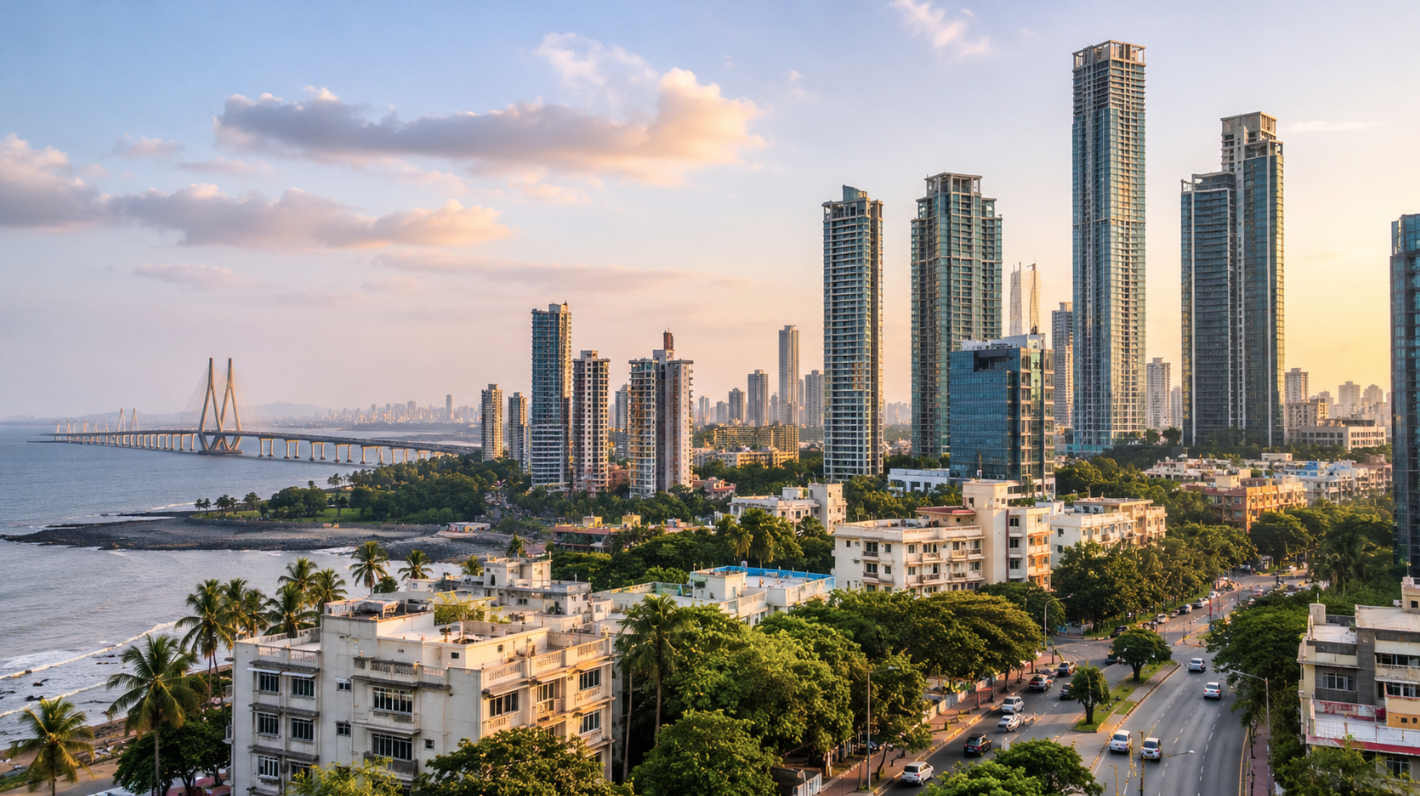
Source: Mumbai Property Exchange research — our rental and sale listings and MahaRERA project records, through November 2026. Asking rents are not executed lease rents; illustrative calculations are not market averages. Photo: Bandra-Worli Sea Link by Yash parmar123, Wikimedia Commons, CC BY-SA 4.0, cropped.

Looking to buy or rent in Mumbai?
Talk to a Mumbai property advisory and data platform operating since 1995. Availability is reconfirmed before visits.
More Property News




💬 Comments