
Transfer Fees - Is it Justifed by Societies?
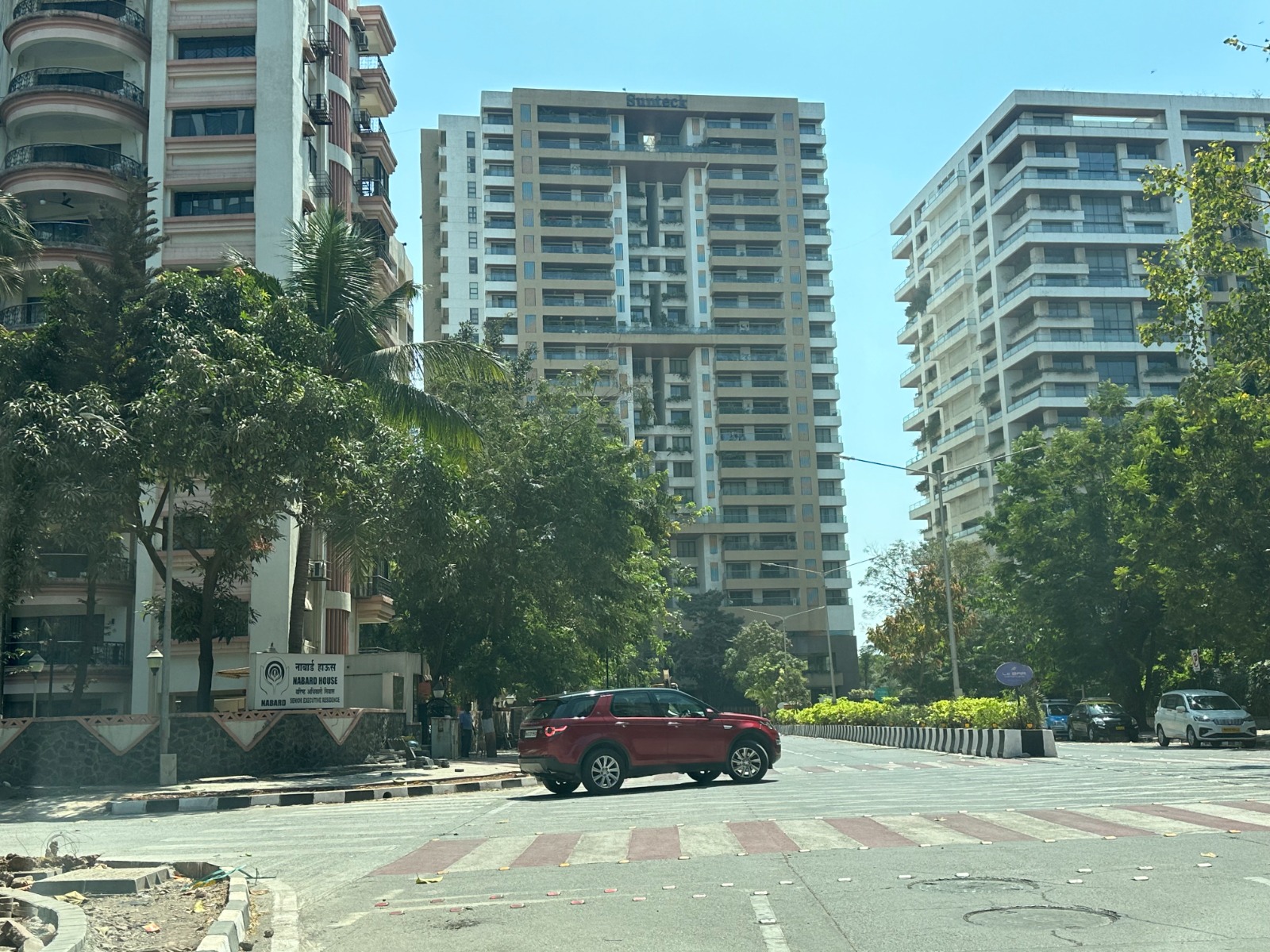
In South Mumbai, the practice of charging transfer fees by housing societies has come under scrutiny, particularly as these fees often exceed the legal cap of Rs 25,000. Despite this regulation, reports indicate that societies are demanding significantly higher amounts, ranging from Rs 10 to 30 lakh for flat transfers. This situation raises questions about the justification of such fees and their implications for buyers and sellers in the real estate market.
Understanding Transfer Fees
Transfer fees are charges levied by housing societies when ownership of a flat changes hands. Legally, these fees should not exceed Rs 25,000; however, many societies are circumventing this limit by labeling additional charges as 'voluntary donations.' These donations are often calculated as a percentage of the transaction value, typically around 2%, especially in prime areas like Lower Parel, Worli, and Prabhadevi.
Recent Incidents Highlighting the Issue
A recent case involving a businessman selling his spacious flat in a luxury tower exemplifies this issue. The society demanded a significant share of the sale amount for the transfer of ownership to the new buyer. Another seller reported paying Rs 28 lakh for the transfer of a 2,850 sq ft flat, illustrating the extent of these charges. Such practices are particularly prevalent in affluent areas like Cuffe Parade, Nariman Point, and Pedder Road.
Criticism and Legal Implications
The collection of these fees has been criticized as a form of 'arm-twisting' to enhance society or developer reserves. While societies argue that these funds are necessary for infrastructure development, the fairness of imposing such high fees is questioned, especially in buildings with wealthy occupants. Real estate experts suggest that increasing maintenance costs are a driving factor behind the imposition of higher transfer fees, often disguised as voluntary contributions to bypass legal restrictions.
Consequences for Sellers
Sellers who resist these payments may face delays in obtaining No Objection Certificates (NOCs), which are essential for completing property transactions. This pressure often leads sellers to comply with the demands to avoid transaction delays. In some cases, sellers have sought refunds for excessive charges after payment, but societies frequently defend these fees as exempt from income tax under the principle of "mutuality," a stance that has been historically supported by courts.
Practical Takeaway
For buyers and sellers in the South Mumbai real estate market, it is crucial to be aware of the potential for high transfer fees and the legal limitations surrounding them. Understanding the dynamics of these fees can help in negotiating better terms and avoiding unexpected costs during property transactions.
Looking to buy or rent in Mumbai?
Talk to a Mumbai property advisory and data platform operating since 1995. Availability is reconfirmed before visits.
Related news
- USV's Leena Gandhi Tewari buys a Worli duplex for a record ₹639 crore · 28 May 2025
- Nariman Point - Mumbai - Best Property Investment · 23 Sep 2021
- A Dadar development-rights deal marks a new phase in Mumbai's redevelopment · 26 Jun 2026
- Worli Sea Face stays Mumbai's most prestigious luxury address · 23 May 2026
- Lower Parel emerges as a hotspot with strong developer interest · 23 Apr 2026
- Raymond Realty eyes a new luxury segment in BKC · 26 Nov 2025
More Property News





💬 Comments